
Original: $1.99
-65%$1.99
$0.70The Story
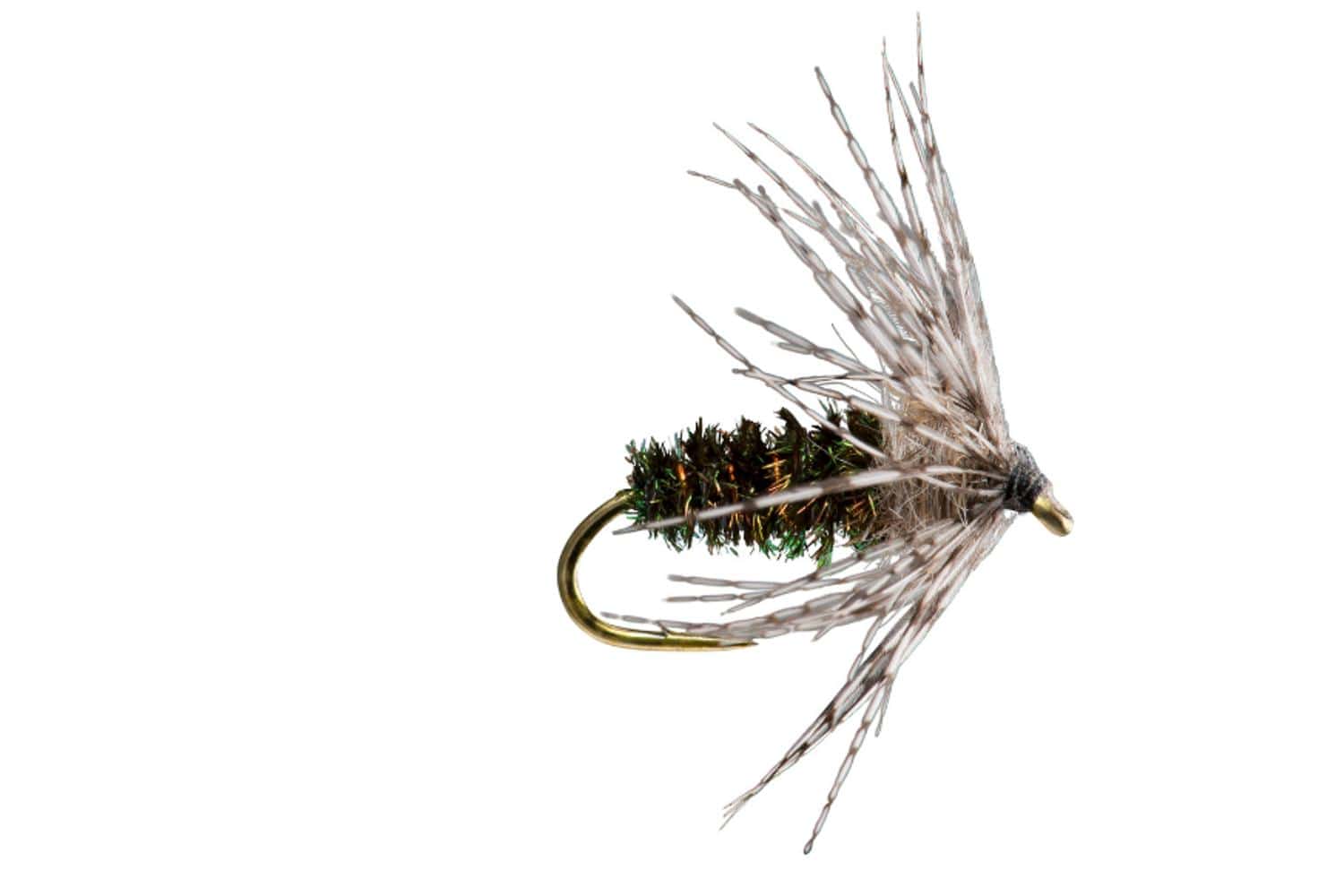
The Soft Hackle Emerger Fly is a versatile pattern that bridges the gap between a standard nymph and a dry fly. It is designed to look like a mayfly or caddis that is struggling to break through the surface tension of the water. Trout often focus on this vulnerable stage because the insects cannot fly away yet. This pattern is a must-have for anglers who fish tailwaters or spring creeks where fish are picky. It works exceptionally well for targeting trout that are feeding just below the surface.
What It Imitates
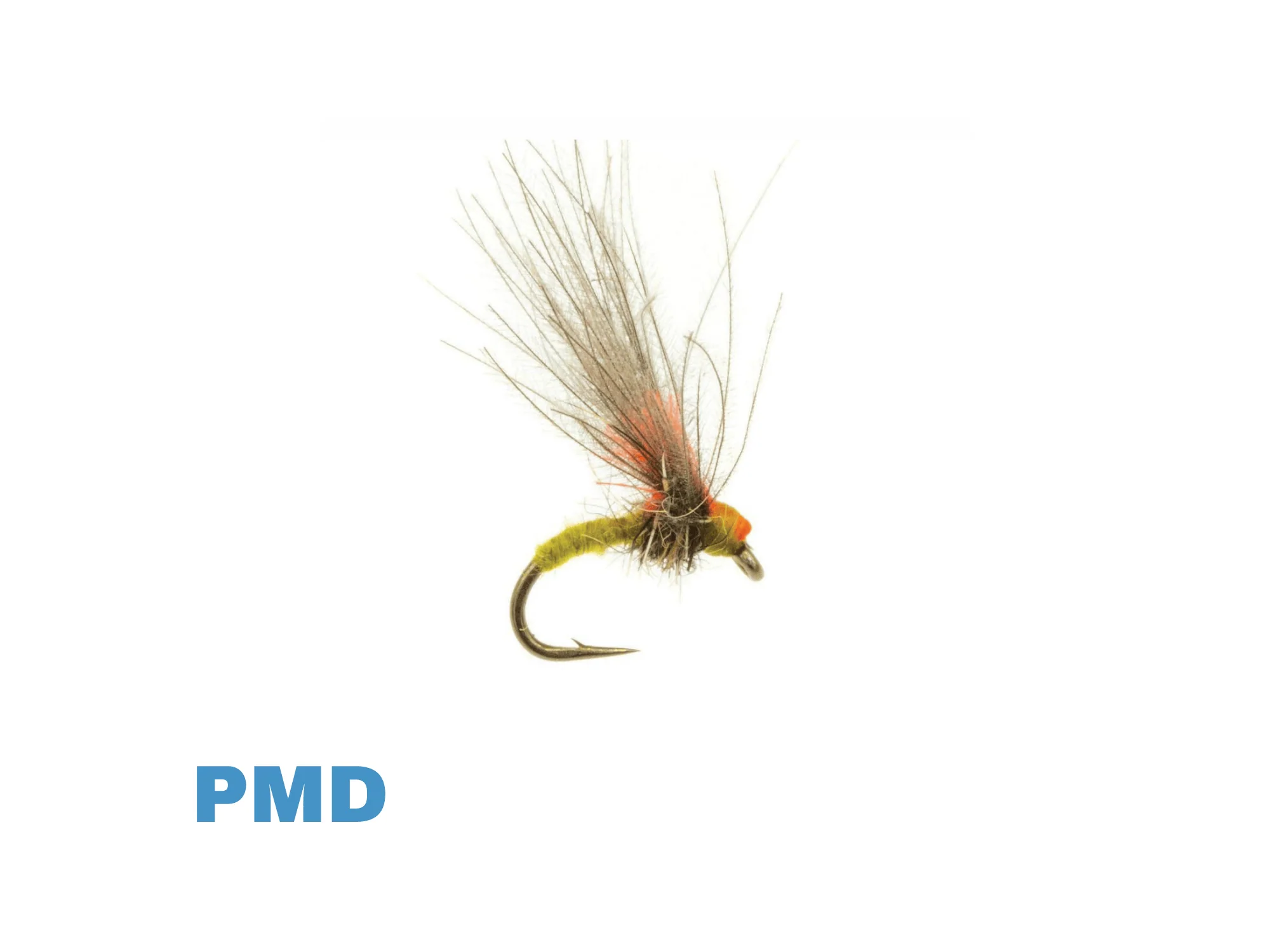
This fly primarily imitates a mayfly emerger that is shedding its shuck. The soft hackle fibers look like legs or a trailing exoskeleton. It can also mimic a drowned spinner or a caddis pupa rising to the surface. The Yellow version is a great match for Pale Morning Duns (PMDs), while the Gray version imitates Blue Winged Olives (BWOs).
How To Use It
You can fish this fly using several different methods. It works very well as a dropper trailing behind a buoyant dry fly. This allows it to hang in the surface film where emergers drift. You can also fish it on a tight-line nymph rig or under an indicator. For a more active presentation, cast it down and across the current and let it swing. The current will animate the soft hackle fibers and trigger aggressive strikes from fish that ignore dead-drifted flies.
When To Use It
Use this pattern when you see fish feeding near the surface but they refuse your dry flies. This behavior often means they are eating emergers just underwater. It shines during complex hatches on cloudy days when insects struggle to dry their wings. It is also a smart choice on bright, sunny days when fish are shy and require a smaller, more realistic presentation.
Why We Like It
We like this fly because it adds life to your presentation. Standard nymphs can look stiff in the water, but the soft hackle on this pattern moves with the slightest current. This subtle movement convinces wary trout that the fly is alive. It is a simple yet reliable pattern that solves the puzzle when fish are keyed in on specific hatch stages.
Comparisons
Soft Hackle Emerger Fly vs. RS2:
Soft Hackle Emerger Fly vs. Bead Head Pheasant Tail:
Soft Hackle Emerger Fly vs. Elk Hair Caddis:
Description
The Soft Hackle Emerger Fly is a versatile pattern that bridges the gap between a standard nymph and a dry fly. It is designed to look like a mayfly or caddis that is struggling to break through the surface tension of the water. Trout often focus on this vulnerable stage because the insects cannot fly away yet. This pattern is a must-have for anglers who fish tailwaters or spring creeks where fish are picky. It works exceptionally well for targeting trout that are feeding just below the surface.
What It Imitates
This fly primarily imitates a mayfly emerger that is shedding its shuck. The soft hackle fibers look like legs or a trailing exoskeleton. It can also mimic a drowned spinner or a caddis pupa rising to the surface. The Yellow version is a great match for Pale Morning Duns (PMDs), while the Gray version imitates Blue Winged Olives (BWOs).
How To Use It
You can fish this fly using several different methods. It works very well as a dropper trailing behind a buoyant dry fly. This allows it to hang in the surface film where emergers drift. You can also fish it on a tight-line nymph rig or under an indicator. For a more active presentation, cast it down and across the current and let it swing. The current will animate the soft hackle fibers and trigger aggressive strikes from fish that ignore dead-drifted flies.
When To Use It
Use this pattern when you see fish feeding near the surface but they refuse your dry flies. This behavior often means they are eating emergers just underwater. It shines during complex hatches on cloudy days when insects struggle to dry their wings. It is also a smart choice on bright, sunny days when fish are shy and require a smaller, more realistic presentation.
Why We Like It
We like this fly because it adds life to your presentation. Standard nymphs can look stiff in the water, but the soft hackle on this pattern moves with the slightest current. This subtle movement convinces wary trout that the fly is alive. It is a simple yet reliable pattern that solves the puzzle when fish are keyed in on specific hatch stages.
Comparisons
Soft Hackle Emerger Fly vs. RS2:
Soft Hackle Emerger Fly vs. Bead Head Pheasant Tail:
Soft Hackle Emerger Fly vs. Elk Hair Caddis: