Original: $4.69
-65%$4.69
$1.64The Story
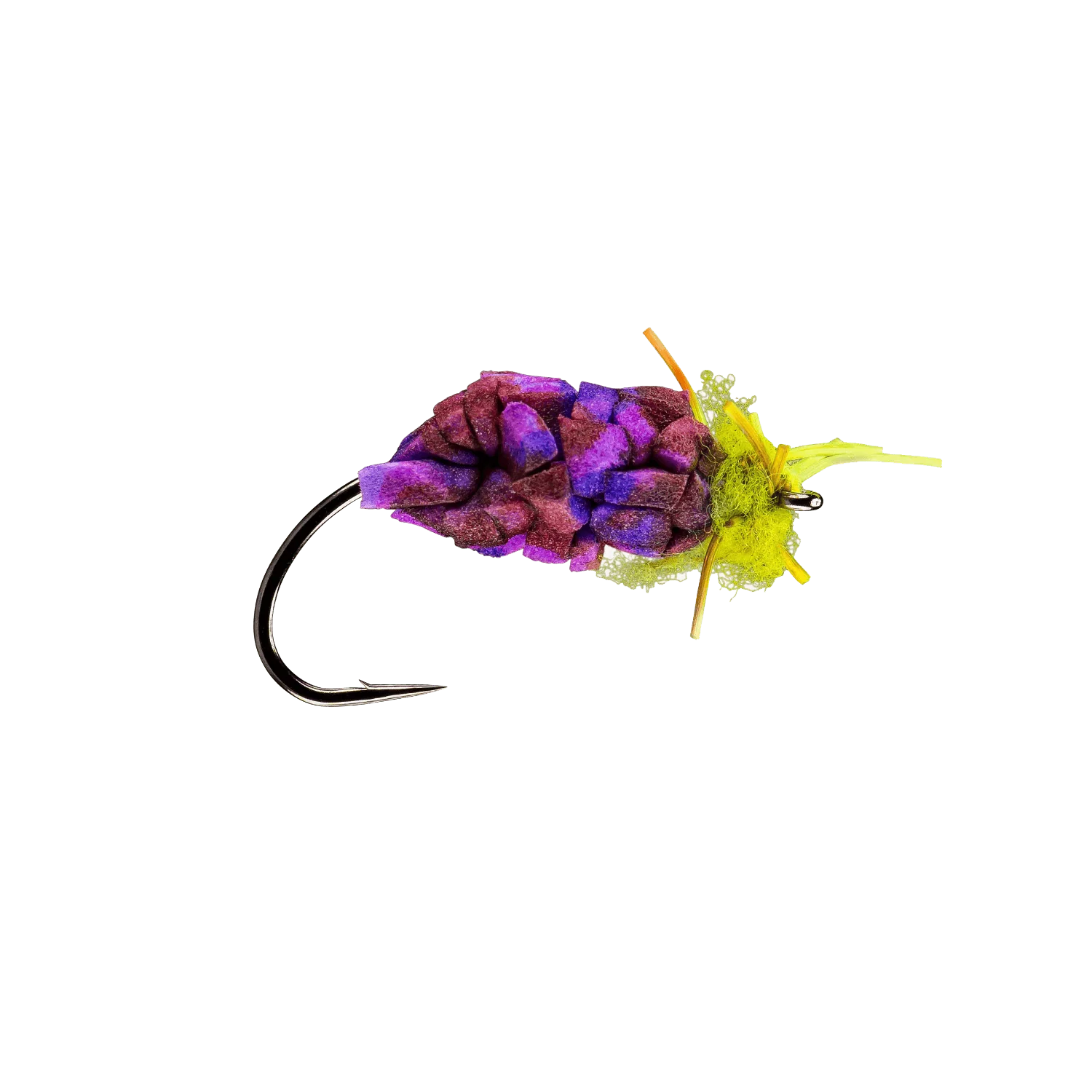
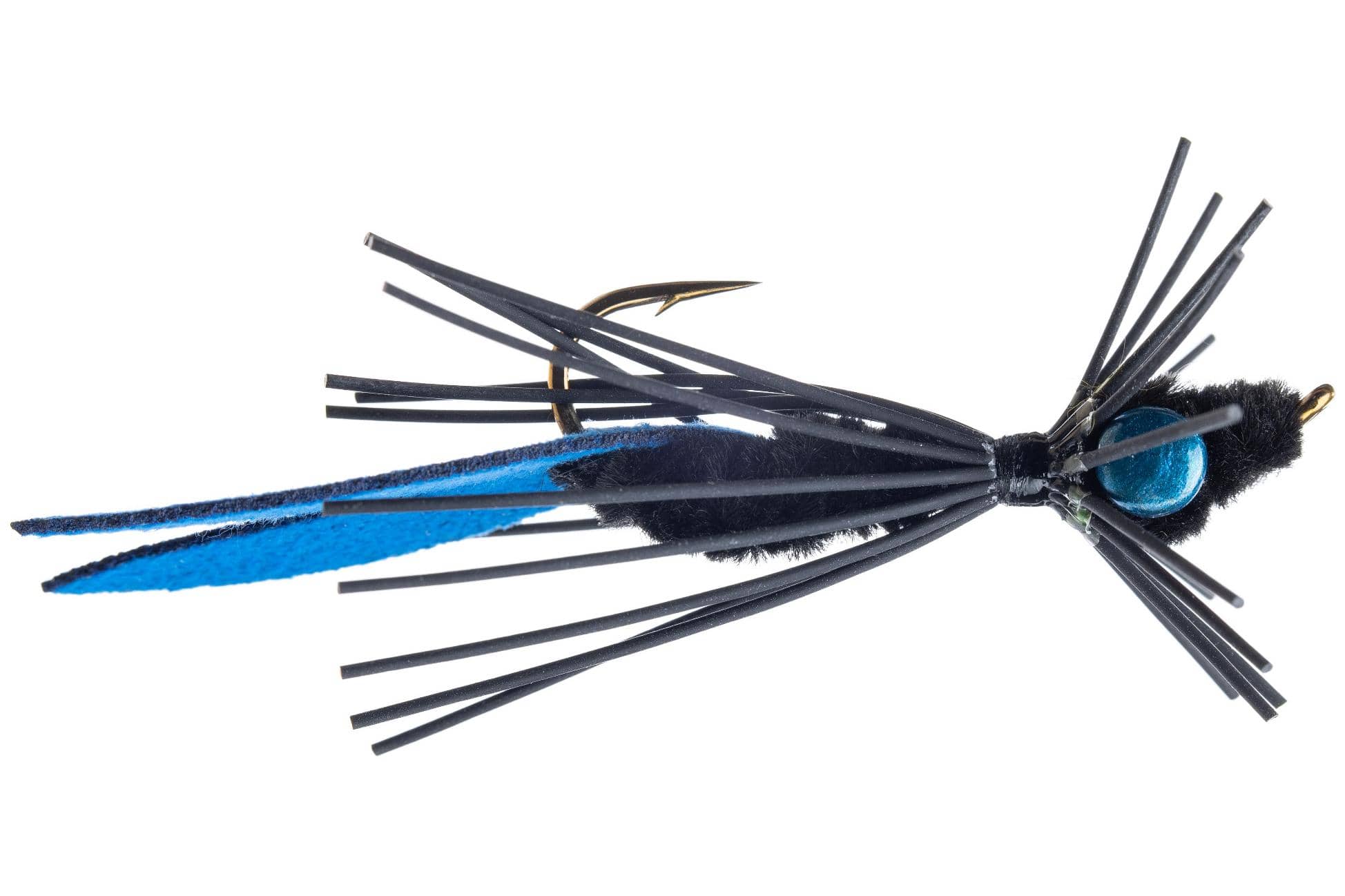
The Clawdad Fly is a legendary pattern that belongs in every smallmouth bass and trout box. This fly is famous for its ability to get down deep and stay in the strike zone. It mimics a crayfish with incredible realism and durability. If you fish rivers with rocky bottoms, this pattern is essential for catching big fish that feed on bottom-dwelling crustaceans.
What It Imitates
This fly imitates a crayfish (or crawdad) scurrying along the river bottom. The heavy dumbbell eyes and specific body design mimic the profile of a crayfish in a defensive or fleeing posture. When the fly pauses, the claws float up to look like a crayfish fighting back against a predator.
How To Use It
Fish this pattern deep near the bottom. Cast it upstream or across the current and let it sink until you feel it tick the rocks. Use a strip-pause retrieve. Pull the line to make the fly scoot forward, then pause to let it dive back down. The heavy eyes cause a jigging action that triggers strikes on the drop. It works best when you bounce it off structure like boulders and logs.
When To Use It
Use the Clawdad from late spring through late summer when crayfish are most active. It shines in river systems where bass and trout rely on crayfish as a main food source. Darker colors like Blue/Black or Brown work well in stained water or low light. Lighter colors like Tan or Ginger are better for clear water and bright sunny days.
Why We Like It
We like this fly because it rides with the hook point up. This design significantly reduces snags on the rocky bottoms where crayfish live. The heavy dumbbell eyes get the fly to the bottom quickly in fast current. The materials used for the claws and body are tough, so you can catch multiple fish on a single fly without it falling apart.
Comparisons
Clawdad Fly vs Near Nuff Crayfish
The Clawdad Fly features a distinct, pre-cut tail and body section that offers a wide, flat profile. It sinks very fast due to heavy lead eyes. The Near Nuff Crayfish uses softer materials like fur and feathers to create a fuzzier, more impressionistic outline. Choose the Clawdad if you need to reach the bottom quickly in heavy current. Choose the Near Nuff for slower, shallower water where a softer landing matters.
Clawdad Fly vs Clouser Minnow
Both flies use heavy dumbbell eyes to achieve a jigging motion. The Clouser Minnow is a baitfish imitation that stays suspended in the water column longer and has a slender profile. The Clawdad is a bottom-bouncing pattern with a wide, flat shape meant to look like a crustacean. Use the Clouser for fish feeding on minnows and the Clawdad for fish rooting around rocks for crayfish.
Clawdad Fly vs Woolly Bugger
The Woolly Bugger is a general pattern that can look like a leech, minnow, or crayfish depending on how you fish it. The Clawdad is a specialized tool designed strictly to imitate a crayfish. The Clawdad has a more realistic profile and specific movement that fools wary fish focused on crawdads. If you want a catch-all fly, use the Bugger. If you are targeting trophy fish hunting for crayfish, the Clawdad is the better choice.
Description
The Clawdad Fly is a legendary pattern that belongs in every smallmouth bass and trout box. This fly is famous for its ability to get down deep and stay in the strike zone. It mimics a crayfish with incredible realism and durability. If you fish rivers with rocky bottoms, this pattern is essential for catching big fish that feed on bottom-dwelling crustaceans.
What It Imitates
This fly imitates a crayfish (or crawdad) scurrying along the river bottom. The heavy dumbbell eyes and specific body design mimic the profile of a crayfish in a defensive or fleeing posture. When the fly pauses, the claws float up to look like a crayfish fighting back against a predator.
How To Use It
Fish this pattern deep near the bottom. Cast it upstream or across the current and let it sink until you feel it tick the rocks. Use a strip-pause retrieve. Pull the line to make the fly scoot forward, then pause to let it dive back down. The heavy eyes cause a jigging action that triggers strikes on the drop. It works best when you bounce it off structure like boulders and logs.
When To Use It
Use the Clawdad from late spring through late summer when crayfish are most active. It shines in river systems where bass and trout rely on crayfish as a main food source. Darker colors like Blue/Black or Brown work well in stained water or low light. Lighter colors like Tan or Ginger are better for clear water and bright sunny days.
Why We Like It
We like this fly because it rides with the hook point up. This design significantly reduces snags on the rocky bottoms where crayfish live. The heavy dumbbell eyes get the fly to the bottom quickly in fast current. The materials used for the claws and body are tough, so you can catch multiple fish on a single fly without it falling apart.
Comparisons
Clawdad Fly vs Near Nuff Crayfish
The Clawdad Fly features a distinct, pre-cut tail and body section that offers a wide, flat profile. It sinks very fast due to heavy lead eyes. The Near Nuff Crayfish uses softer materials like fur and feathers to create a fuzzier, more impressionistic outline. Choose the Clawdad if you need to reach the bottom quickly in heavy current. Choose the Near Nuff for slower, shallower water where a softer landing matters.
Clawdad Fly vs Clouser Minnow
Both flies use heavy dumbbell eyes to achieve a jigging motion. The Clouser Minnow is a baitfish imitation that stays suspended in the water column longer and has a slender profile. The Clawdad is a bottom-bouncing pattern with a wide, flat shape meant to look like a crustacean. Use the Clouser for fish feeding on minnows and the Clawdad for fish rooting around rocks for crayfish.
Clawdad Fly vs Woolly Bugger
The Woolly Bugger is a general pattern that can look like a leech, minnow, or crayfish depending on how you fish it. The Clawdad is a specialized tool designed strictly to imitate a crayfish. The Clawdad has a more realistic profile and specific movement that fools wary fish focused on crawdads. If you want a catch-all fly, use the Bugger. If you are targeting trophy fish hunting for crayfish, the Clawdad is the better choice.