
The Story
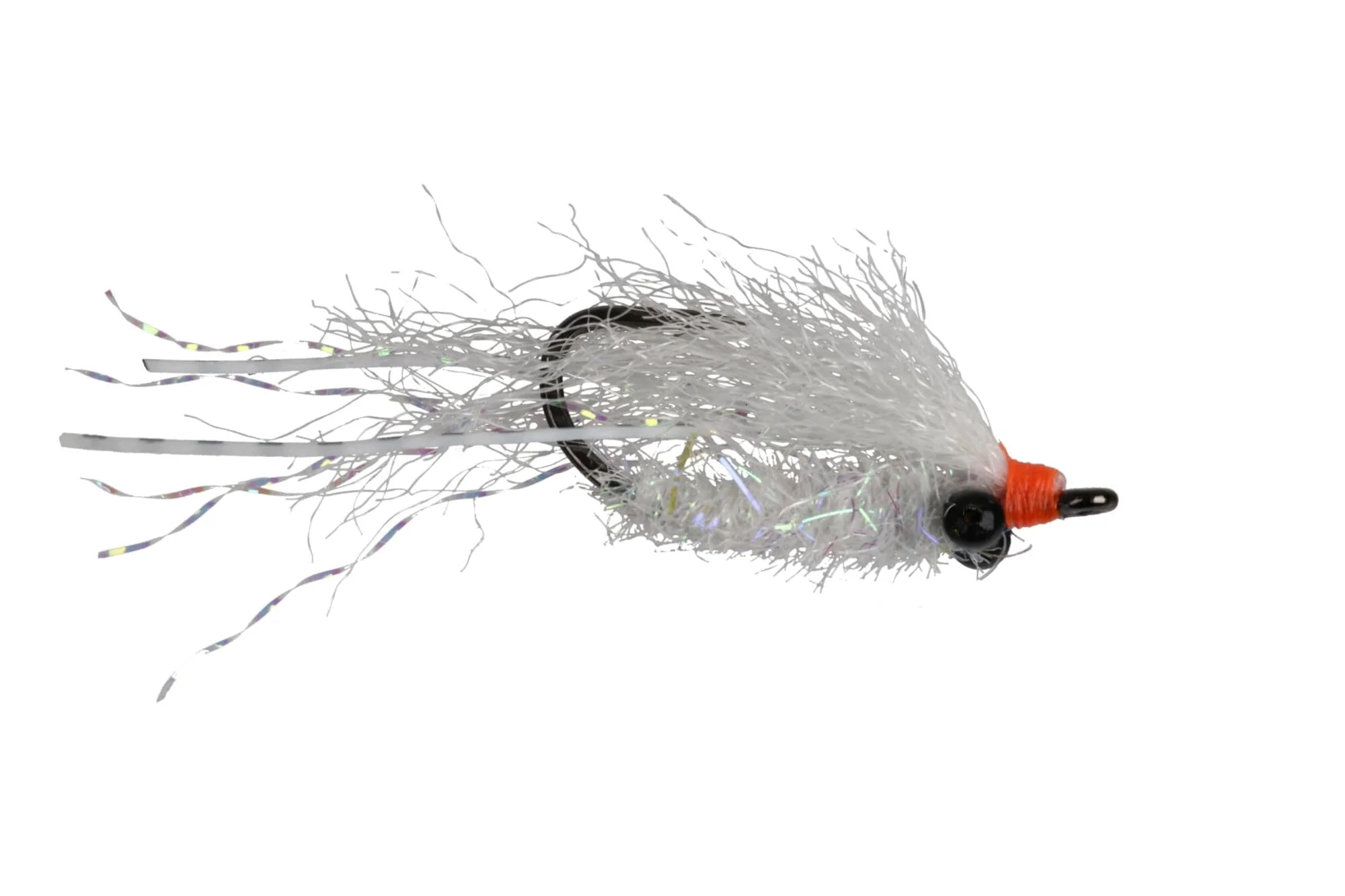
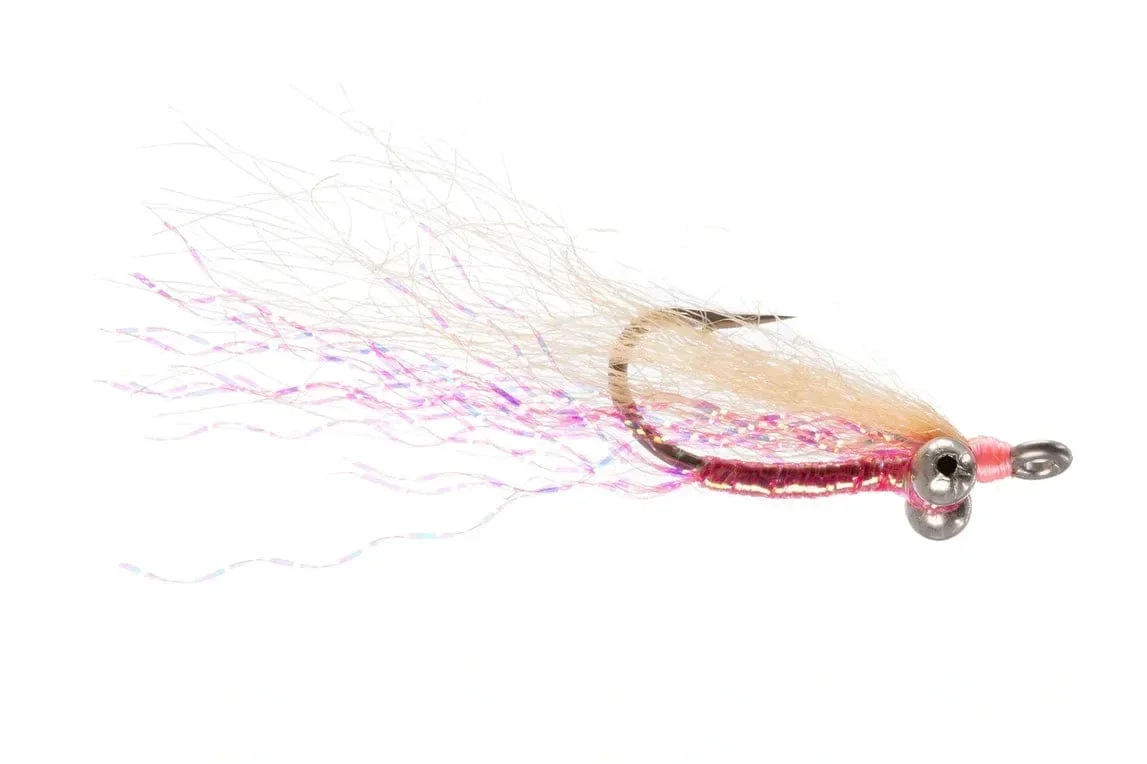
Chewy's Halo Shrimp Fly is a modern saltwater pattern designed to solve the problem of spooking fish with heavy fly entries. Created by Dave Chouinard, this fly features a unique internal weighting system that allows it to land softly and sink perfectly level. It is an essential pattern for anglers targeting bonefish, permit, and redfish on shallow flats where stealth is the key to success.
What It Imitates
This pattern imitates a small shrimp, which is a primary food source for many saltwater species. The use of translucent materials and Arctic Fox fur creates a lifelike silhouette that mimics the natural movement of a swimming shrimp. The tan color blends well with sandy and grassy bottoms where shrimp often hide.
How To Use It
Fish this fly with a strip-and-pause retrieve. Because the weight is centered on the hook shank, the fly hovers horizontally during the pause instead of diving nose-first like traditional patterns. Use long, slow strips to imitate a cruising shrimp or short, quick strips to trigger a reaction from feeding fish. This level sinking action keeps the fly in the strike zone longer and looks more natural to wary fish.
When To Use It
This fly shines in shallow water and calm conditions where fish are easily frightened by loud splashes. It is an excellent choice for tailing bonefish or cruising permit in clear water. The soft landing makes it perfect for casting at nervous fish in skinny water without sending them running for cover.
Why We Like It
We like this fly because of its innovative "Jig Bomb" weighting system hidden inside the body. This design removes the need for heavy dumbbell eyes on the front, which often cause flies to splash and sink unnaturally. The Halo Shrimp lands like a feather and maintains a perfect swimming posture, giving you a huge advantage when fishing for pressured fish.
Comparisons
Chewy's Halo Shrimp Fly vs Crazy Charlie:
The Crazy Charlie is a classic pattern that uses bead chain or dumbbell eyes tied near the hook eye. This causes the Crazy Charlie to dive nose-first when you stop stripping. The Halo Shrimp uses a centered weight that allows it to sink horizontally. While the Crazy Charlie is great for deeper water or faster currents, the Halo Shrimp is a better choice for shallow water where a soft presentation is required.
Chewy's Halo Shrimp Fly vs Veverka's Mantis Shrimp:
Veverka's Mantis Shrimp is known for its rubber legs and bulky profile that pushes water. It is a great fly for attracting attention in slightly stained water. The Halo Shrimp has a slimmer profile and relies more on the subtle movement of Arctic Fox fur. You should choose the Mantis Shrimp when you need the fish to feel the fly, and choose the Halo Shrimp when you need a visual trigger in clear water.
Chewy's Halo Shrimp Fly vs Spawning Shrimp:
Spawning Shrimp patterns often feature a bright orange or pink hot spot to imitate eggs. The Halo Shrimp in tan is a more natural, imitative pattern without the bright trigger point. If fish are aggressively feeding on spawning shrimp, the Spawning Shrimp is the better option. However, for general searching and highly pressured fish that might reject a bright fly, the natural tones of the Halo Shrimp are superior.
Description
Chewy's Halo Shrimp Fly is a modern saltwater pattern designed to solve the problem of spooking fish with heavy fly entries. Created by Dave Chouinard, this fly features a unique internal weighting system that allows it to land softly and sink perfectly level. It is an essential pattern for anglers targeting bonefish, permit, and redfish on shallow flats where stealth is the key to success.
What It Imitates
This pattern imitates a small shrimp, which is a primary food source for many saltwater species. The use of translucent materials and Arctic Fox fur creates a lifelike silhouette that mimics the natural movement of a swimming shrimp. The tan color blends well with sandy and grassy bottoms where shrimp often hide.
How To Use It
Fish this fly with a strip-and-pause retrieve. Because the weight is centered on the hook shank, the fly hovers horizontally during the pause instead of diving nose-first like traditional patterns. Use long, slow strips to imitate a cruising shrimp or short, quick strips to trigger a reaction from feeding fish. This level sinking action keeps the fly in the strike zone longer and looks more natural to wary fish.
When To Use It
This fly shines in shallow water and calm conditions where fish are easily frightened by loud splashes. It is an excellent choice for tailing bonefish or cruising permit in clear water. The soft landing makes it perfect for casting at nervous fish in skinny water without sending them running for cover.
Why We Like It
We like this fly because of its innovative "Jig Bomb" weighting system hidden inside the body. This design removes the need for heavy dumbbell eyes on the front, which often cause flies to splash and sink unnaturally. The Halo Shrimp lands like a feather and maintains a perfect swimming posture, giving you a huge advantage when fishing for pressured fish.
Comparisons
Chewy's Halo Shrimp Fly vs Crazy Charlie:
The Crazy Charlie is a classic pattern that uses bead chain or dumbbell eyes tied near the hook eye. This causes the Crazy Charlie to dive nose-first when you stop stripping. The Halo Shrimp uses a centered weight that allows it to sink horizontally. While the Crazy Charlie is great for deeper water or faster currents, the Halo Shrimp is a better choice for shallow water where a soft presentation is required.
Chewy's Halo Shrimp Fly vs Veverka's Mantis Shrimp:
Veverka's Mantis Shrimp is known for its rubber legs and bulky profile that pushes water. It is a great fly for attracting attention in slightly stained water. The Halo Shrimp has a slimmer profile and relies more on the subtle movement of Arctic Fox fur. You should choose the Mantis Shrimp when you need the fish to feel the fly, and choose the Halo Shrimp when you need a visual trigger in clear water.
Chewy's Halo Shrimp Fly vs Spawning Shrimp:
Spawning Shrimp patterns often feature a bright orange or pink hot spot to imitate eggs. The Halo Shrimp in tan is a more natural, imitative pattern without the bright trigger point. If fish are aggressively feeding on spawning shrimp, the Spawning Shrimp is the better option. However, for general searching and highly pressured fish that might reject a bright fly, the natural tones of the Halo Shrimp are superior.