
Original: $9.99
-65%$9.99
$3.50The Story
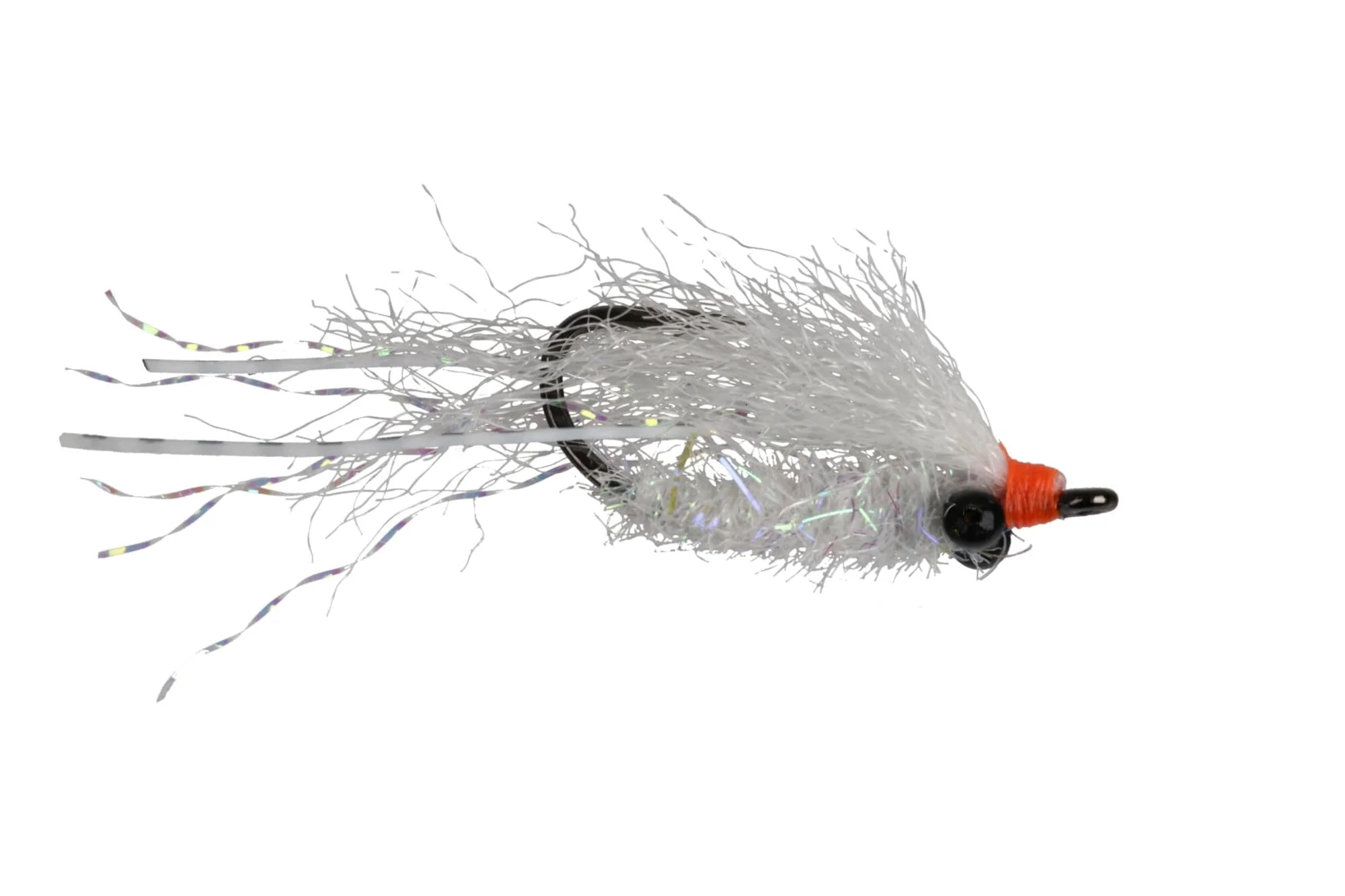
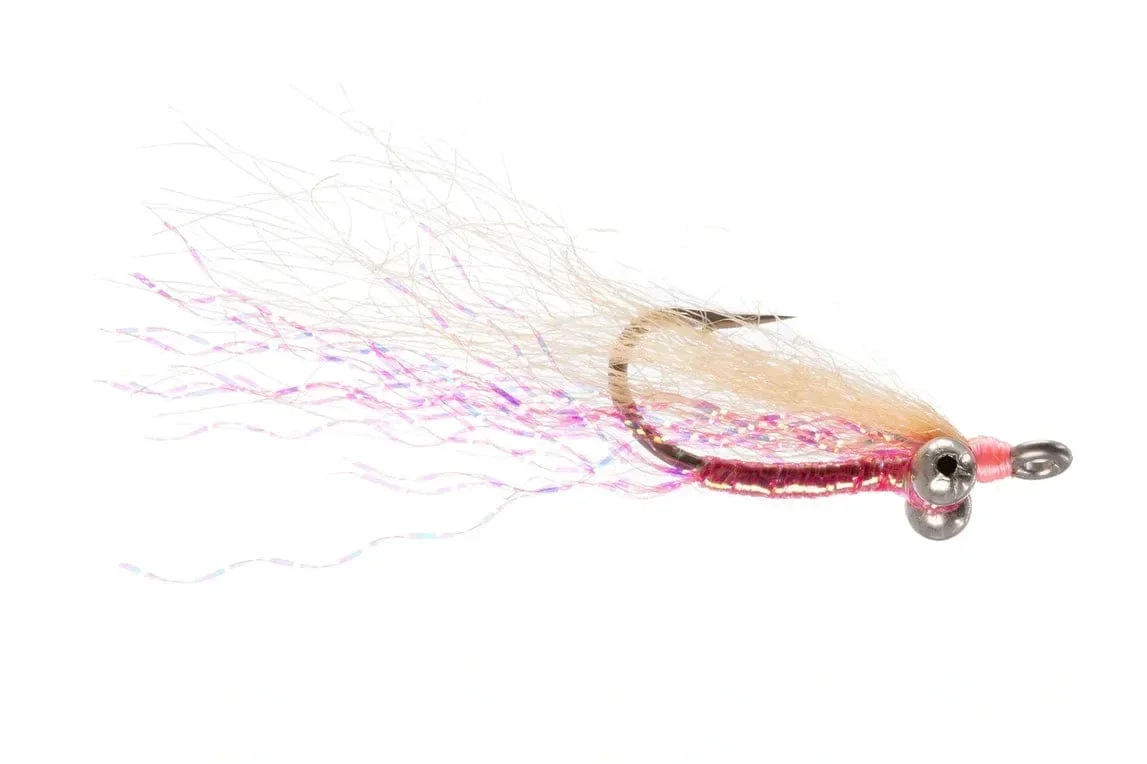
The Coyote Spawn Shrimp Fly is a staple pattern for saltwater anglers targeting bonefish, permit, and redfish on the flats. This fly combines the lifelike movement of natural fur with a distinct trigger that predatory fish find hard to ignore. Designed to mimic a specific stage in a shrimp's life cycle, it serves as a reliable option when fish are feeding selectively. Whether you are wading the flats of Belize or poling through the Florida Keys, this pattern deserves a prominent spot in your fly box.
What It Imitates
This pattern imitates a shrimp carrying eggs, known as a spawning shrimp. The most critical feature is the orange "hot spot" near the rear, which represents the egg sac. This visual cue signals a high-protein meal to hungry fish, often triggering strikes when standard shrimp patterns fail.
How To Use It
Fish this fly with a strip-and-pause retrieve to mimic the natural swimming motion of a shrimp. Cast ahead of a cruising fish and let the fly sink to the bottom. Once the fish spots the fly or gets close, give it short, quick strips followed by a pause to let the rubber legs and fur undulate. For tailing fish, cast past the target and drag the fly into their feeding zone before letting it settle.
When To Use It
This fly shines during the spring and summer months when shrimp are actively spawning, but it remains productive year-round in warm saltwater environments. It is an excellent choice for clear water where fish get a good look at the fly. If you encounter refusals on standard tan or clear shrimp patterns, switching to this spawning variant can often change the game.
Why We Like It
We like the Coyote Spawn Shrimp because the coyote fur body provides a unique, natural color and realistic movement that synthetic materials struggle to match. The combination of the soft fur and the rubber legs creates a "breathing" action in the water, even when the fly is sitting still. The orange egg sac adds just enough contrast to grab a fish's attention without looking unnatural.
Comparisons
Coyote Spawn Shrimp Fly vs. Peterson's Spawning Shrimp:
Peterson's Spawning Shrimp is the classic pattern that popularized the "spawning" style with its signature orange egg sac. The main difference lies in the body material; the Coyote version uses coyote fur, which offers a mottled, sandy tan color and a different texture than the synthetic or rabbit fur often used on the Peterson's. Choose the Coyote version when fishing over sandy bottoms where the coyote fur blends in perfectly, or when you want a slightly different action in the water.
Coyote Spawn Shrimp Fly vs. Gotcha:
The Gotcha is a general attractor fly that suggests a shrimp but does not mimic one as strictly as the Coyote Spawn Shrimp. While the Gotcha relies on flash and a simple profile to trigger reaction strikes, the Coyote Spawn Shrimp uses realistic details and the egg sac trigger to fool educated fish. If the water is murky, the flash of a Gotcha might be better, but in clear water with picky fish, the Coyote Spawn Shrimp is the superior choice.
Coyote Spawn Shrimp Fly vs. Squimp:
The Squimp is another popular shrimp pattern that uses a craft fur body and rubber legs. It is generally lighter and lands softer than many other shrimp flies. However, the Squimp typically lacks the specific orange egg sac trigger found on the Coyote Spawn Shrimp. If you need a fly that specifically mimics a spawning food source to trigger a feeding response, the Coyote Spawn Shrimp is the better option.
Description
The Coyote Spawn Shrimp Fly is a staple pattern for saltwater anglers targeting bonefish, permit, and redfish on the flats. This fly combines the lifelike movement of natural fur with a distinct trigger that predatory fish find hard to ignore. Designed to mimic a specific stage in a shrimp's life cycle, it serves as a reliable option when fish are feeding selectively. Whether you are wading the flats of Belize or poling through the Florida Keys, this pattern deserves a prominent spot in your fly box.
What It Imitates
This pattern imitates a shrimp carrying eggs, known as a spawning shrimp. The most critical feature is the orange "hot spot" near the rear, which represents the egg sac. This visual cue signals a high-protein meal to hungry fish, often triggering strikes when standard shrimp patterns fail.
How To Use It
Fish this fly with a strip-and-pause retrieve to mimic the natural swimming motion of a shrimp. Cast ahead of a cruising fish and let the fly sink to the bottom. Once the fish spots the fly or gets close, give it short, quick strips followed by a pause to let the rubber legs and fur undulate. For tailing fish, cast past the target and drag the fly into their feeding zone before letting it settle.
When To Use It
This fly shines during the spring and summer months when shrimp are actively spawning, but it remains productive year-round in warm saltwater environments. It is an excellent choice for clear water where fish get a good look at the fly. If you encounter refusals on standard tan or clear shrimp patterns, switching to this spawning variant can often change the game.
Why We Like It
We like the Coyote Spawn Shrimp because the coyote fur body provides a unique, natural color and realistic movement that synthetic materials struggle to match. The combination of the soft fur and the rubber legs creates a "breathing" action in the water, even when the fly is sitting still. The orange egg sac adds just enough contrast to grab a fish's attention without looking unnatural.
Comparisons
Coyote Spawn Shrimp Fly vs. Peterson's Spawning Shrimp:
Peterson's Spawning Shrimp is the classic pattern that popularized the "spawning" style with its signature orange egg sac. The main difference lies in the body material; the Coyote version uses coyote fur, which offers a mottled, sandy tan color and a different texture than the synthetic or rabbit fur often used on the Peterson's. Choose the Coyote version when fishing over sandy bottoms where the coyote fur blends in perfectly, or when you want a slightly different action in the water.
Coyote Spawn Shrimp Fly vs. Gotcha:
The Gotcha is a general attractor fly that suggests a shrimp but does not mimic one as strictly as the Coyote Spawn Shrimp. While the Gotcha relies on flash and a simple profile to trigger reaction strikes, the Coyote Spawn Shrimp uses realistic details and the egg sac trigger to fool educated fish. If the water is murky, the flash of a Gotcha might be better, but in clear water with picky fish, the Coyote Spawn Shrimp is the superior choice.
Coyote Spawn Shrimp Fly vs. Squimp:
The Squimp is another popular shrimp pattern that uses a craft fur body and rubber legs. It is generally lighter and lands softer than many other shrimp flies. However, the Squimp typically lacks the specific orange egg sac trigger found on the Coyote Spawn Shrimp. If you need a fly that specifically mimics a spawning food source to trigger a feeding response, the Coyote Spawn Shrimp is the better option.