
The Story
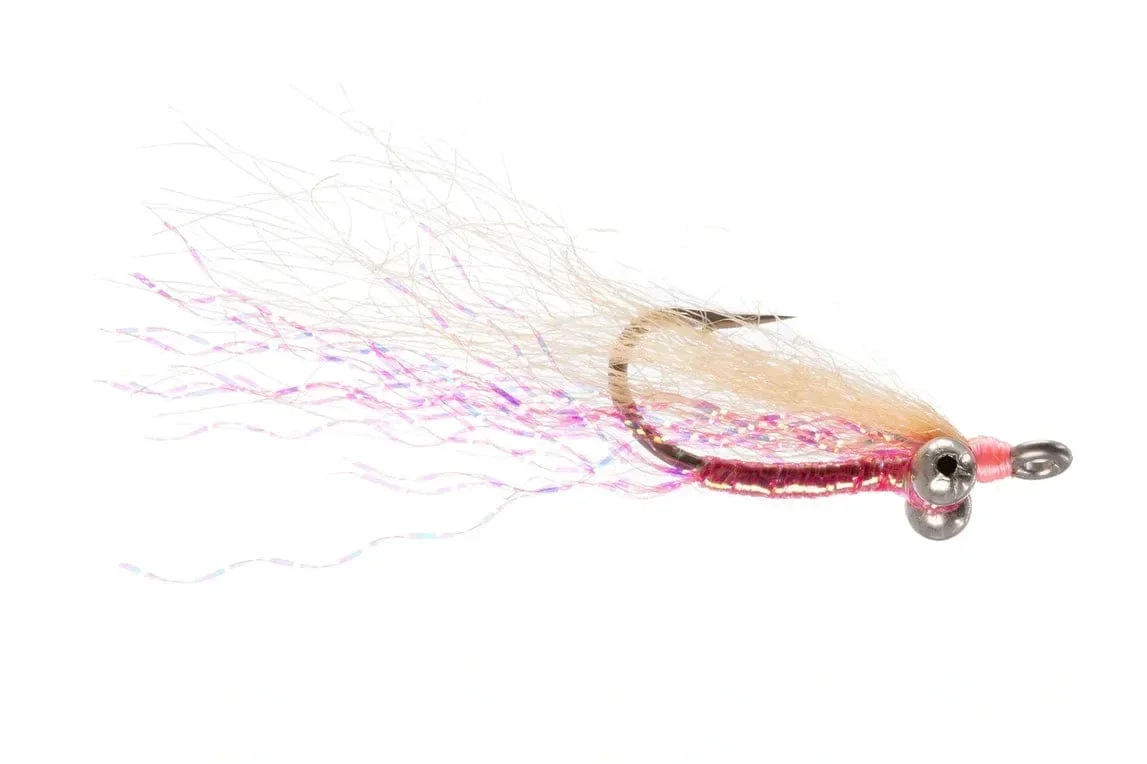
The Arctic Bone Spawning Shrimp Fly is a top choice for anglers targeting bonefish in destinations like the Bahamas, Belize, and Christmas Island. This pattern uses soft Arctic Fox fur and rubber legs to create a lifelike swimming action that grabs the attention of feeding fish. It lands softly on the water to avoid spooking fish in shallow water but sinks quickly to the feeding zone. The specific pink color serves as a strong trigger for larger bonefish looking for a substantial meal.
What It Imitates
This pattern mimics a shrimp carrying eggs. The pink color suggests a spawning shrimp which represents a high-protein meal that bonefish actively hunt. The soft fur and rubber legs move like a real shrimp swimming or fleeing along the bottom.
How To Use It
Cast this fly well ahead of a cruising or tailing bonefish to avoid scaring it. Allow the fly to sink to the bottom before you begin your retrieve. Use a strip-and-pause technique to make the fly hop along the sand. The Arctic Fox fur breathes and pulses during the pause. This subtle movement often convinces a fish to eat even when the fly is sitting still.
When To Use It
Fish this fly on saltwater flats when bonefish are hunting for shrimp. It performs well in both sunny and cloudy conditions because the pink color offers good contrast against sandy bottoms. It is an excellent choice when fish are being selective and ignoring standard tan or white patterns.
Why We Like It
The Arctic Fox fur wing sets this fly apart from others. This material is much softer than bucktail or craft fur so it moves with more fluidity in the water. We also appreciate the addition of rubber legs for extra kick. This combination of materials creates a profile that looks alive in the water and holds up well after multiple catches.
Comparisons
Arctic Bone Spawning Shrimp Fly vs Crazy Charlie:
Arctic Bone Spawning Shrimp Fly vs Gotcha:
Arctic Bone Spawning Shrimp Fly vs Squimp:
Description
The Arctic Bone Spawning Shrimp Fly is a top choice for anglers targeting bonefish in destinations like the Bahamas, Belize, and Christmas Island. This pattern uses soft Arctic Fox fur and rubber legs to create a lifelike swimming action that grabs the attention of feeding fish. It lands softly on the water to avoid spooking fish in shallow water but sinks quickly to the feeding zone. The specific pink color serves as a strong trigger for larger bonefish looking for a substantial meal.
What It Imitates
This pattern mimics a shrimp carrying eggs. The pink color suggests a spawning shrimp which represents a high-protein meal that bonefish actively hunt. The soft fur and rubber legs move like a real shrimp swimming or fleeing along the bottom.
How To Use It
Cast this fly well ahead of a cruising or tailing bonefish to avoid scaring it. Allow the fly to sink to the bottom before you begin your retrieve. Use a strip-and-pause technique to make the fly hop along the sand. The Arctic Fox fur breathes and pulses during the pause. This subtle movement often convinces a fish to eat even when the fly is sitting still.
When To Use It
Fish this fly on saltwater flats when bonefish are hunting for shrimp. It performs well in both sunny and cloudy conditions because the pink color offers good contrast against sandy bottoms. It is an excellent choice when fish are being selective and ignoring standard tan or white patterns.
Why We Like It
The Arctic Fox fur wing sets this fly apart from others. This material is much softer than bucktail or craft fur so it moves with more fluidity in the water. We also appreciate the addition of rubber legs for extra kick. This combination of materials creates a profile that looks alive in the water and holds up well after multiple catches.
Comparisons
Arctic Bone Spawning Shrimp Fly vs Crazy Charlie:
Arctic Bone Spawning Shrimp Fly vs Gotcha:
Arctic Bone Spawning Shrimp Fly vs Squimp: