
Original: $2.49
-65%$2.49
$0.87The Story
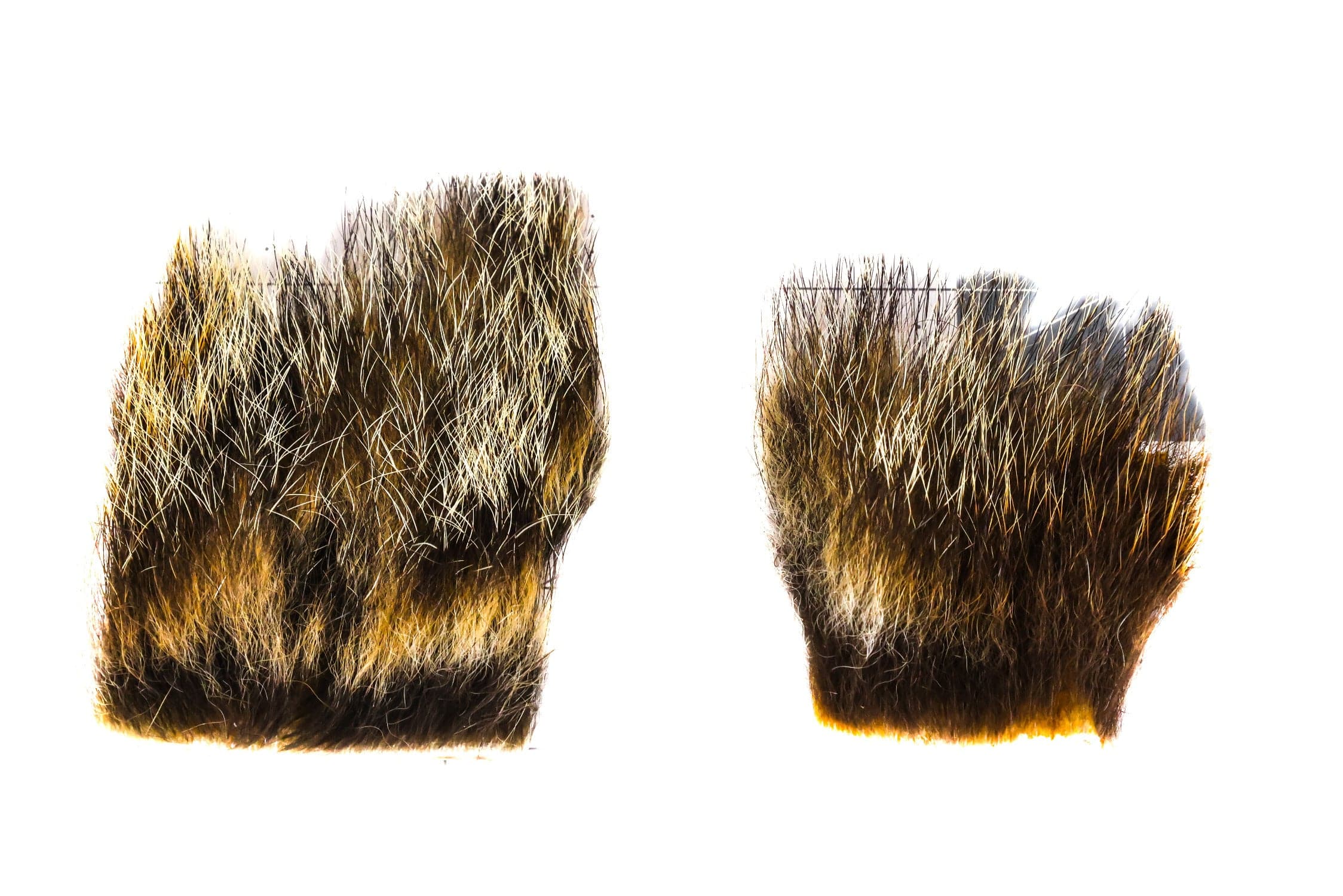
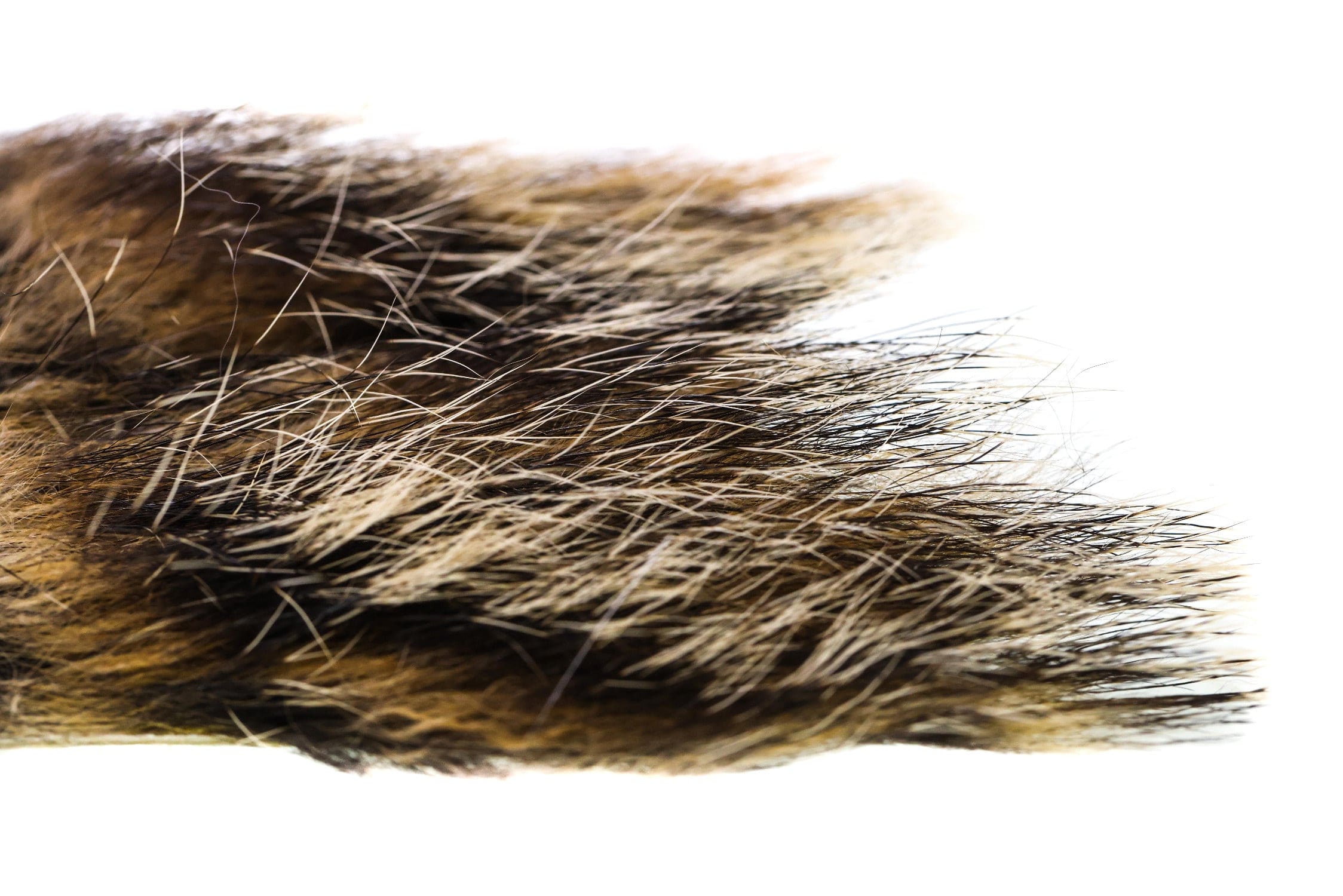
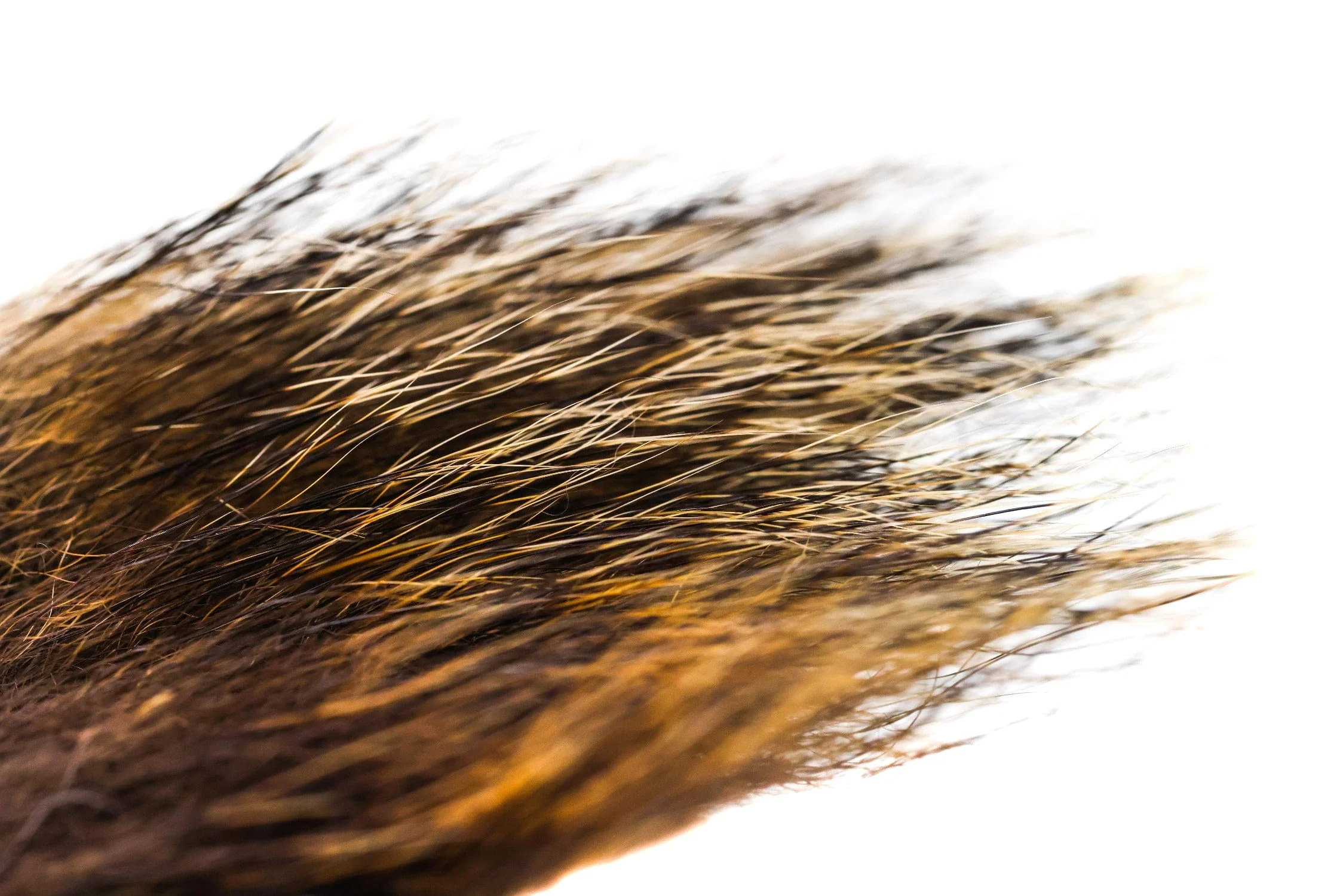
Wapsi's Woodchuck Fur provides an excellent patch of fur with a range of natural colors with both spiky guard hairs and a soft underfur. A versatile tying material, Woodchuck shines on traditional trout flies and attractors, especially anywhere you’d want a mottled, natural-looking tail or a more textured dubbing body. Whether you’re tying delicate wets, classic nymphs, or Catskill-style dries, its fiber blend plays well with old-school materials and natural color palettes.
How to Use It
Woodchuck is typically prepped by separating the long, mottled guard hairs from the dense underfur or simply cut off of the hide and blended together to create a spiky dubbing. For tails or wings, simply pinch out a clump of guard hairs, even the tips, and tie them in like you would bucktail or moose body hair—just keep the bunch modest, as woodchuck is naturally stiff. For dubbing, pull or comb out the soft black underfur, blend if desired, and apply it directly to your thread with a light touch; it forms a tight, slightly spiky noodle that’s perfect for segmented or rough-bodied trout patterns.
Why We Like It
Woodchuck Fur offers a combination you don’t find in many single materials: stiff mottled guard hairs paired with a fine underfur. The guard hairs create lively, durable tails and wings that hold their profile without collapsing, while the underfur produces a dubbing that’s darker, spikier, and more “alive” than rabbit or squirrel alone. It has a classic trout-fly look that synthetics rarely match.
We also love that a single patch gives you two distinct tying materials in one. It's inexpensive, extremely versatile, and fits perfectly in the toolkit of tyers who appreciate traditional natural fur textures. And although the guard hairs and fur function great on their own, they make an ultra-buggy dubbing when simply blended.
Comparable Materials
Woodchuck often gets compared to squirrel tail and moose body hair for tails, and to rabbit or muskrat for dubbing. Compared to squirrel, woodchuck guard hairs are stiffer and more mottled, giving a more pronounced tail with stronger definition. For dubbing, woodchuck underfur is darker and grittier than rabbit, producing a more traditional, buggy look.

Details & Craftsmanship
Every detail has been carefully considered to bring you the perfect product.

Details & Craftsmanship
Every detail has been carefully considered to bring you the perfect product.

Details & Craftsmanship
Every detail has been carefully considered to bring you the perfect product.
Details & Craftsmanship
Every detail has been carefully considered to bring you the perfect product.
Details & Craftsmanship
Every detail has been carefully considered to bring you the perfect product.
Details & Craftsmanship
Every detail has been carefully considered to bring you the perfect product.

Details & Craftsmanship
Every detail has been carefully considered to bring you the perfect product.
Description
Wapsi's Woodchuck Fur provides an excellent patch of fur with a range of natural colors with both spiky guard hairs and a soft underfur. A versatile tying material, Woodchuck shines on traditional trout flies and attractors, especially anywhere you’d want a mottled, natural-looking tail or a more textured dubbing body. Whether you’re tying delicate wets, classic nymphs, or Catskill-style dries, its fiber blend plays well with old-school materials and natural color palettes.
How to Use It
Woodchuck is typically prepped by separating the long, mottled guard hairs from the dense underfur or simply cut off of the hide and blended together to create a spiky dubbing. For tails or wings, simply pinch out a clump of guard hairs, even the tips, and tie them in like you would bucktail or moose body hair—just keep the bunch modest, as woodchuck is naturally stiff. For dubbing, pull or comb out the soft black underfur, blend if desired, and apply it directly to your thread with a light touch; it forms a tight, slightly spiky noodle that’s perfect for segmented or rough-bodied trout patterns.
Why We Like It
Woodchuck Fur offers a combination you don’t find in many single materials: stiff mottled guard hairs paired with a fine underfur. The guard hairs create lively, durable tails and wings that hold their profile without collapsing, while the underfur produces a dubbing that’s darker, spikier, and more “alive” than rabbit or squirrel alone. It has a classic trout-fly look that synthetics rarely match.
We also love that a single patch gives you two distinct tying materials in one. It's inexpensive, extremely versatile, and fits perfectly in the toolkit of tyers who appreciate traditional natural fur textures. And although the guard hairs and fur function great on their own, they make an ultra-buggy dubbing when simply blended.
Comparable Materials
Woodchuck often gets compared to squirrel tail and moose body hair for tails, and to rabbit or muskrat for dubbing. Compared to squirrel, woodchuck guard hairs are stiffer and more mottled, giving a more pronounced tail with stronger definition. For dubbing, woodchuck underfur is darker and grittier than rabbit, producing a more traditional, buggy look.