
Original: $2.99
-65%$2.99
$1.05The Story
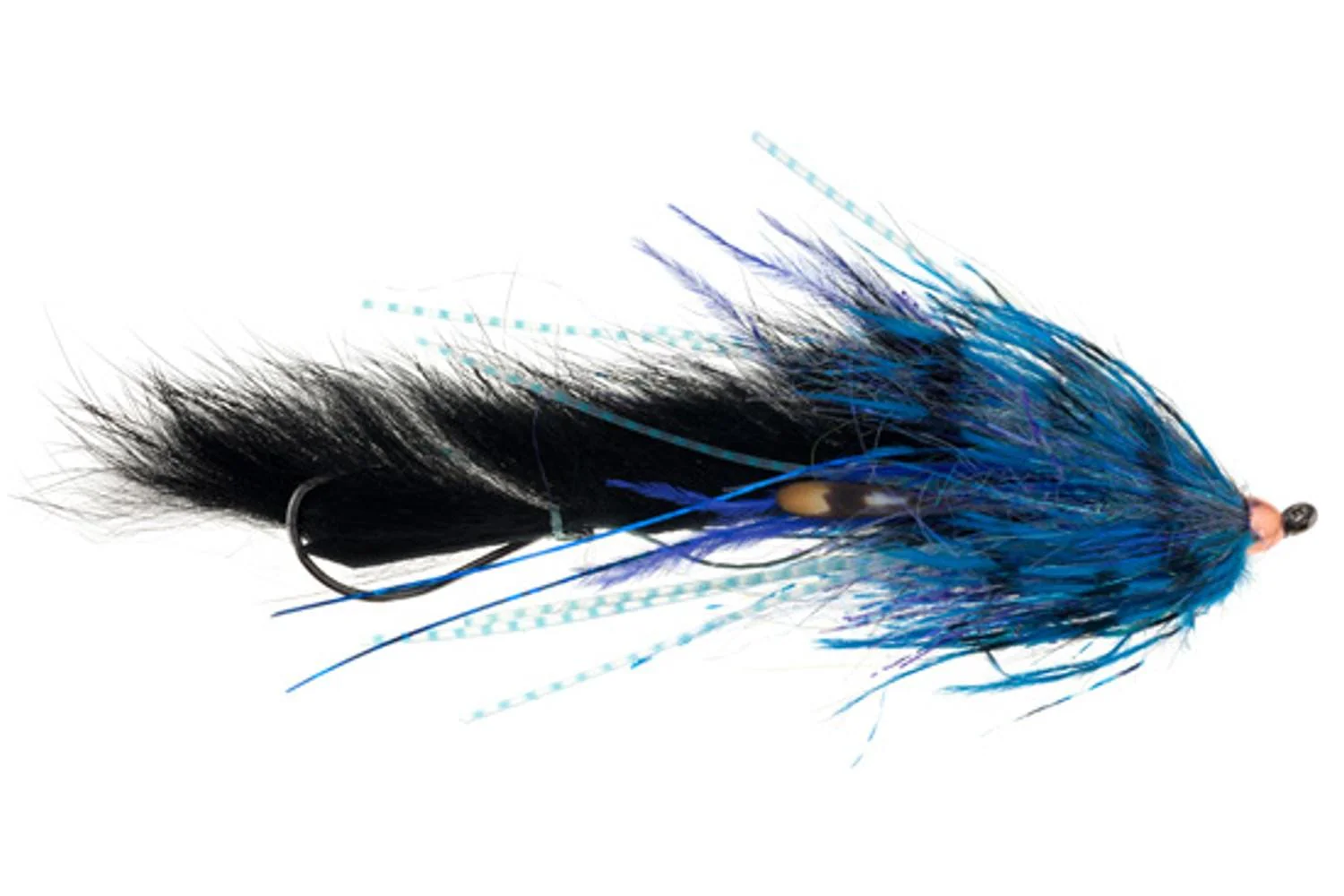
The TDF Rubberleg Rio Gallegos Fly is a specialized pattern designed for the monster sea-run brown trout of Tierra del Fuego. This fly is a variation of the classic Girdle Bug but upgraded with a stout hook and a distinct red thread throat. While it made its name on the windswept rivers of Argentina, it also works well for steelhead and large resident trout in North America. This is a mandatory pattern for any angler heading south to chase migratory brown trout.
What It Imitates
This pattern mimics large stonefly nymphs and other substantial aquatic invertebrates found in river systems. The rubber legs create a lifelike silhouette that suggests a swimming bug or a dislodged nymph tumbling in the current. It does not imitate one specific insect but looks like a calorie-rich meal that big fish cannot ignore.
How To Use It
Fish this fly using the traditional "Patagonia Swing" method. Cast down and across the current and let the line swing until it hangs directly below you. The rubber legs provide their own action, but you can add small strips or twitches during the swing to trigger aggressive strikes. It also works well when dead-drifted under an indicator in deep pockets where large trout hold near the bottom.
When To Use It
This is a searching pattern that excels when you need to cover water to find active fish. It shines in low light conditions like early morning or late evening when big browns move into shallower runs. Use it when the water is slightly off-color or when you need a fly that sinks quickly to get into the strike zone.
Why We Like It
We like this fly because of the simple addition of the red thread throat. This small "hot spot" acts as a trigger point that sets it apart from standard dull-colored nymphs. The heavy-wire hook is another major advantage because it will not bend or break when fighting a twenty-pound fish in heavy current.
Comparisons
TDF Rubberleg Rio Gallegos Fly vs Pat's Rubber Legs:
TDF Rubberleg Rio Gallegos Fly vs Yuk Bug:
TDF Rubberleg Rio Gallegos Fly vs Woolly Bugger:
Description
The TDF Rubberleg Rio Gallegos Fly is a specialized pattern designed for the monster sea-run brown trout of Tierra del Fuego. This fly is a variation of the classic Girdle Bug but upgraded with a stout hook and a distinct red thread throat. While it made its name on the windswept rivers of Argentina, it also works well for steelhead and large resident trout in North America. This is a mandatory pattern for any angler heading south to chase migratory brown trout.
What It Imitates
This pattern mimics large stonefly nymphs and other substantial aquatic invertebrates found in river systems. The rubber legs create a lifelike silhouette that suggests a swimming bug or a dislodged nymph tumbling in the current. It does not imitate one specific insect but looks like a calorie-rich meal that big fish cannot ignore.
How To Use It
Fish this fly using the traditional "Patagonia Swing" method. Cast down and across the current and let the line swing until it hangs directly below you. The rubber legs provide their own action, but you can add small strips or twitches during the swing to trigger aggressive strikes. It also works well when dead-drifted under an indicator in deep pockets where large trout hold near the bottom.
When To Use It
This is a searching pattern that excels when you need to cover water to find active fish. It shines in low light conditions like early morning or late evening when big browns move into shallower runs. Use it when the water is slightly off-color or when you need a fly that sinks quickly to get into the strike zone.
Why We Like It
We like this fly because of the simple addition of the red thread throat. This small "hot spot" acts as a trigger point that sets it apart from standard dull-colored nymphs. The heavy-wire hook is another major advantage because it will not bend or break when fighting a twenty-pound fish in heavy current.
Comparisons
TDF Rubberleg Rio Gallegos Fly vs Pat's Rubber Legs:
TDF Rubberleg Rio Gallegos Fly vs Yuk Bug:
TDF Rubberleg Rio Gallegos Fly vs Woolly Bugger: