
Original: $3.99
-65%$3.99
$1.40The Story
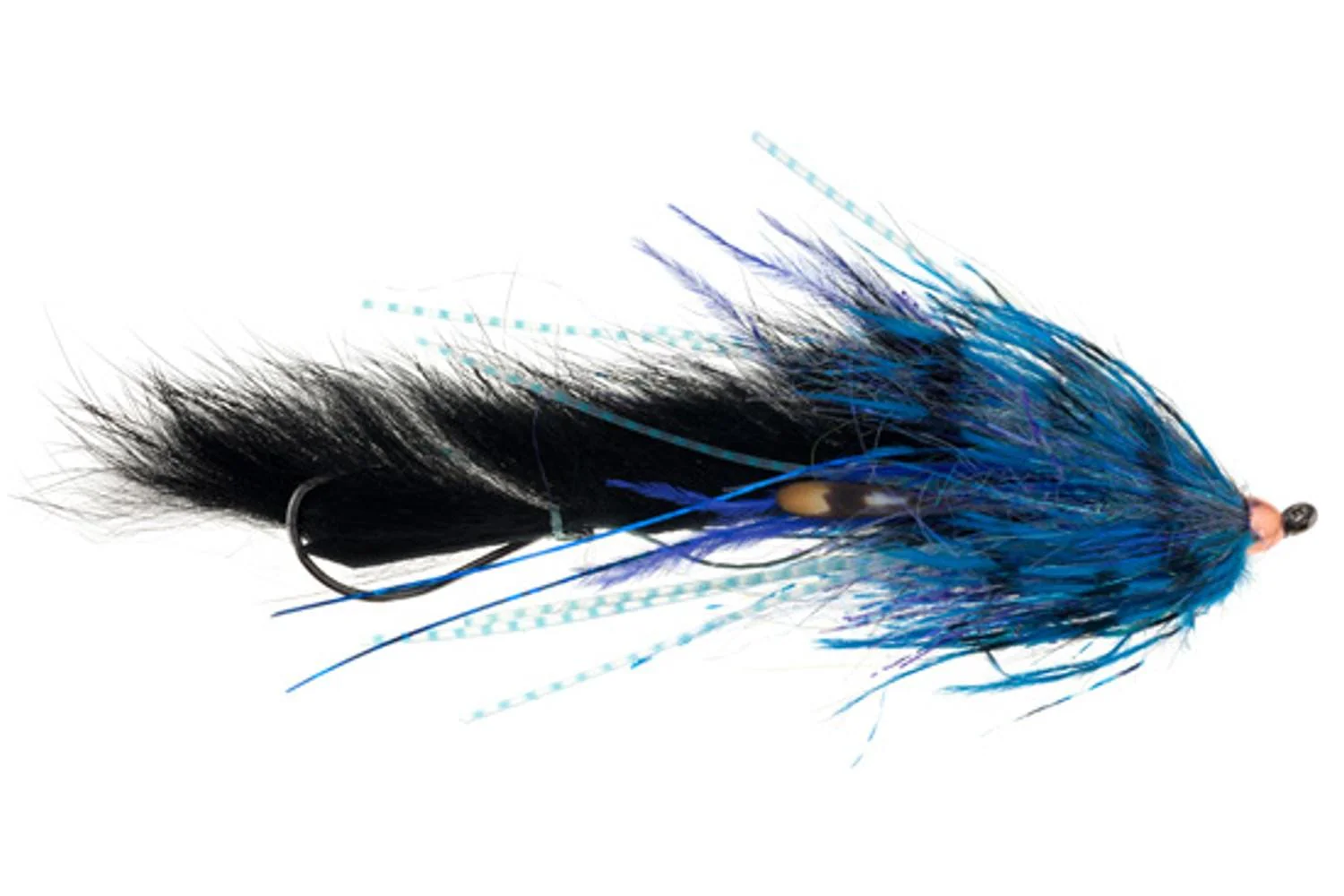
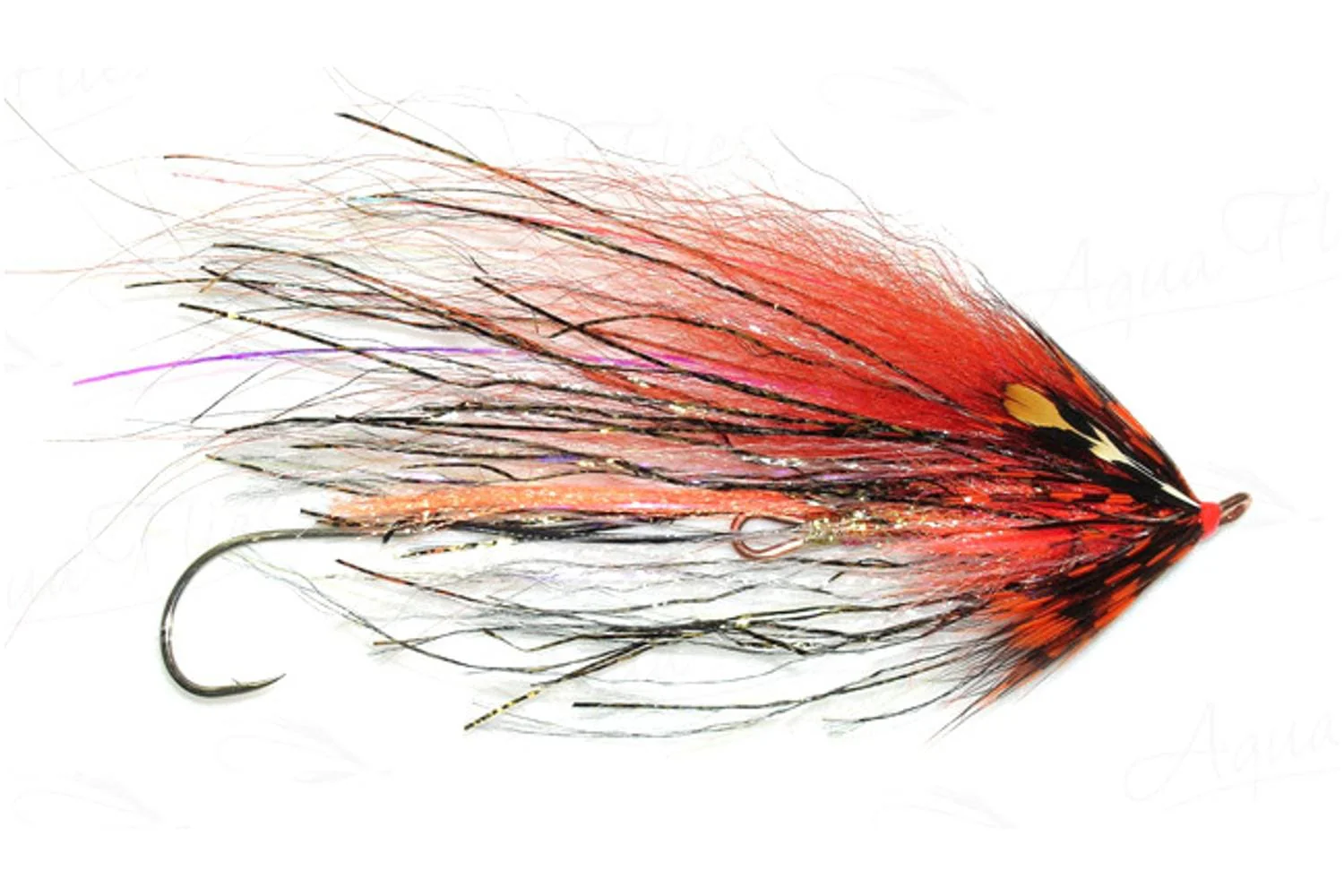
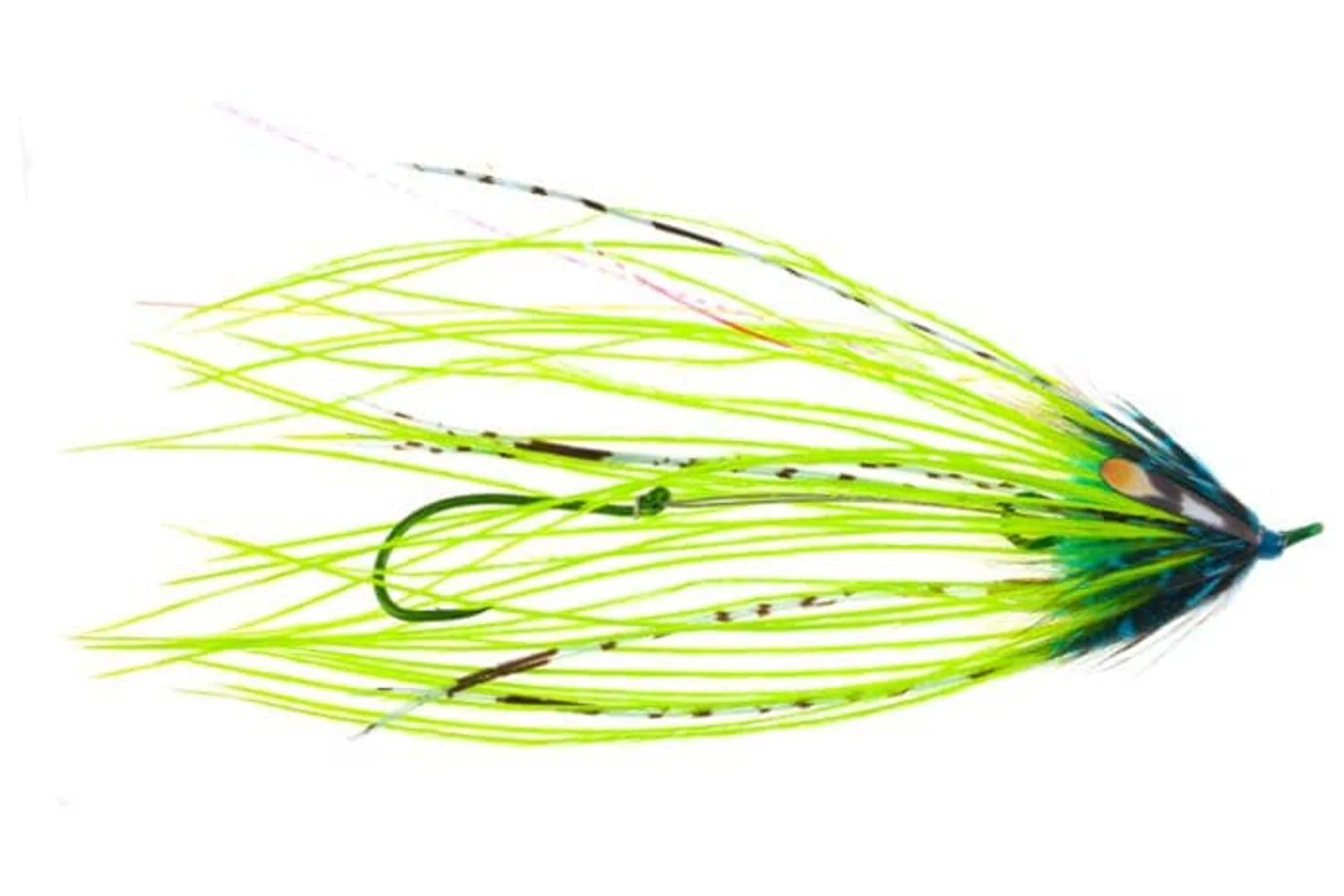
The TDF BH Wire Bug Fly is a heavy-duty nymph pattern designed to reach fish in deep and fast water. This fly features a segmented wire body that adds significant weight and durability. It sinks quickly to the bottom where large trout and steelhead often hold. The rubber legs add lifelike movement that triggers strikes from sea-run brown trout and other predatory species. This pattern is a staple for anglers fishing the heavy currents of Tierra del Fuego or swift rivers in the Pacific Northwest.
What It Imitates
This pattern is an impressionistic attractor that mimics large aquatic insects like stonefly nymphs or caddis larvae. It does not copy one specific insect perfectly. Instead, it uses a buggy profile and movement to look like a substantial meal. The wire body creates a segmented look similar to many nymph abdomens.
How To Use It
Fish this fly deep using a dead-drift presentation. It works exceptionally well as the bottom fly in a multi-fly nymph rig because its weight helps pull lighter flies down into the strike zone. You can fish it under a strike indicator or use it for tight-line nymphing techniques. In slower pools, try a slow strip to pulse the rubber legs and entice a reaction bite.
When To Use It
Tie this fly on when you need to get your flies down quickly in heavy current or deep pockets. It shines during high water conditions or when fish are glued to the bottom and refusing to rise. The Chartreuse color is particularly useful in stained or off-color water where visibility is low. It is also a great choice for searching fast runs where lighter flies might sweep over the fish too quickly.
Why We Like It
We prefer the TDF BH Wire Bug because it solves the problem of reaching deep fish without adding split shot to the leader. The wire construction makes it incredibly durable, so it withstands sharp teeth and grinding against river rocks. The combination of a slim, heavy profile and wiggly rubber legs creates a perfect balance of sink rate and action.
Comparisons
TDF BH Wire Bug vs. Pat's Rubber Legs
The Pat's Rubber Legs is a classic stonefly imitation made with a chenille body. It has a larger profile and moves more in the water, but it sinks slowly. The TDF BH Wire Bug uses a wire body that cuts through the water much faster. Choose the Pat's Rubber Legs for shallower riffles and the Wire Bug for deep pits or heavy currents.
TDF BH Wire Bug vs. Copper John
Both flies utilize wire bodies for weight and durability. The Copper John is typically a smaller trout fly with a wing case and biots. The TDF BH Wire Bug is generally tied on stronger hooks and features rubber legs for added movement. Select the Copper John for standard trout streams and the Wire Bug for targeting large sea-run brown trout or steelhead.
TDF BH Wire Bug vs. TDF Girdle Bug
The TDF Girdle Bug usually features a chenille or dubbing body that creates a bulky silhouette. While it pushes more water, it does not sink as rapidly as the Wire Bug. The TDF BH Wire Bug offers a slimmer profile that drops instantly into the zone. Use the Girdle Bug in slower, shallower water and the Wire Bug when depth is your primary goal.
Description
The TDF BH Wire Bug Fly is a heavy-duty nymph pattern designed to reach fish in deep and fast water. This fly features a segmented wire body that adds significant weight and durability. It sinks quickly to the bottom where large trout and steelhead often hold. The rubber legs add lifelike movement that triggers strikes from sea-run brown trout and other predatory species. This pattern is a staple for anglers fishing the heavy currents of Tierra del Fuego or swift rivers in the Pacific Northwest.
What It Imitates
This pattern is an impressionistic attractor that mimics large aquatic insects like stonefly nymphs or caddis larvae. It does not copy one specific insect perfectly. Instead, it uses a buggy profile and movement to look like a substantial meal. The wire body creates a segmented look similar to many nymph abdomens.
How To Use It
Fish this fly deep using a dead-drift presentation. It works exceptionally well as the bottom fly in a multi-fly nymph rig because its weight helps pull lighter flies down into the strike zone. You can fish it under a strike indicator or use it for tight-line nymphing techniques. In slower pools, try a slow strip to pulse the rubber legs and entice a reaction bite.
When To Use It
Tie this fly on when you need to get your flies down quickly in heavy current or deep pockets. It shines during high water conditions or when fish are glued to the bottom and refusing to rise. The Chartreuse color is particularly useful in stained or off-color water where visibility is low. It is also a great choice for searching fast runs where lighter flies might sweep over the fish too quickly.
Why We Like It
We prefer the TDF BH Wire Bug because it solves the problem of reaching deep fish without adding split shot to the leader. The wire construction makes it incredibly durable, so it withstands sharp teeth and grinding against river rocks. The combination of a slim, heavy profile and wiggly rubber legs creates a perfect balance of sink rate and action.
Comparisons
TDF BH Wire Bug vs. Pat's Rubber Legs
The Pat's Rubber Legs is a classic stonefly imitation made with a chenille body. It has a larger profile and moves more in the water, but it sinks slowly. The TDF BH Wire Bug uses a wire body that cuts through the water much faster. Choose the Pat's Rubber Legs for shallower riffles and the Wire Bug for deep pits or heavy currents.
TDF BH Wire Bug vs. Copper John
Both flies utilize wire bodies for weight and durability. The Copper John is typically a smaller trout fly with a wing case and biots. The TDF BH Wire Bug is generally tied on stronger hooks and features rubber legs for added movement. Select the Copper John for standard trout streams and the Wire Bug for targeting large sea-run brown trout or steelhead.
TDF BH Wire Bug vs. TDF Girdle Bug
The TDF Girdle Bug usually features a chenille or dubbing body that creates a bulky silhouette. While it pushes more water, it does not sink as rapidly as the Wire Bug. The TDF BH Wire Bug offers a slimmer profile that drops instantly into the zone. Use the Girdle Bug in slower, shallower water and the Wire Bug when depth is your primary goal.