
Original: $6.99
-65%$6.99
$2.45The Story
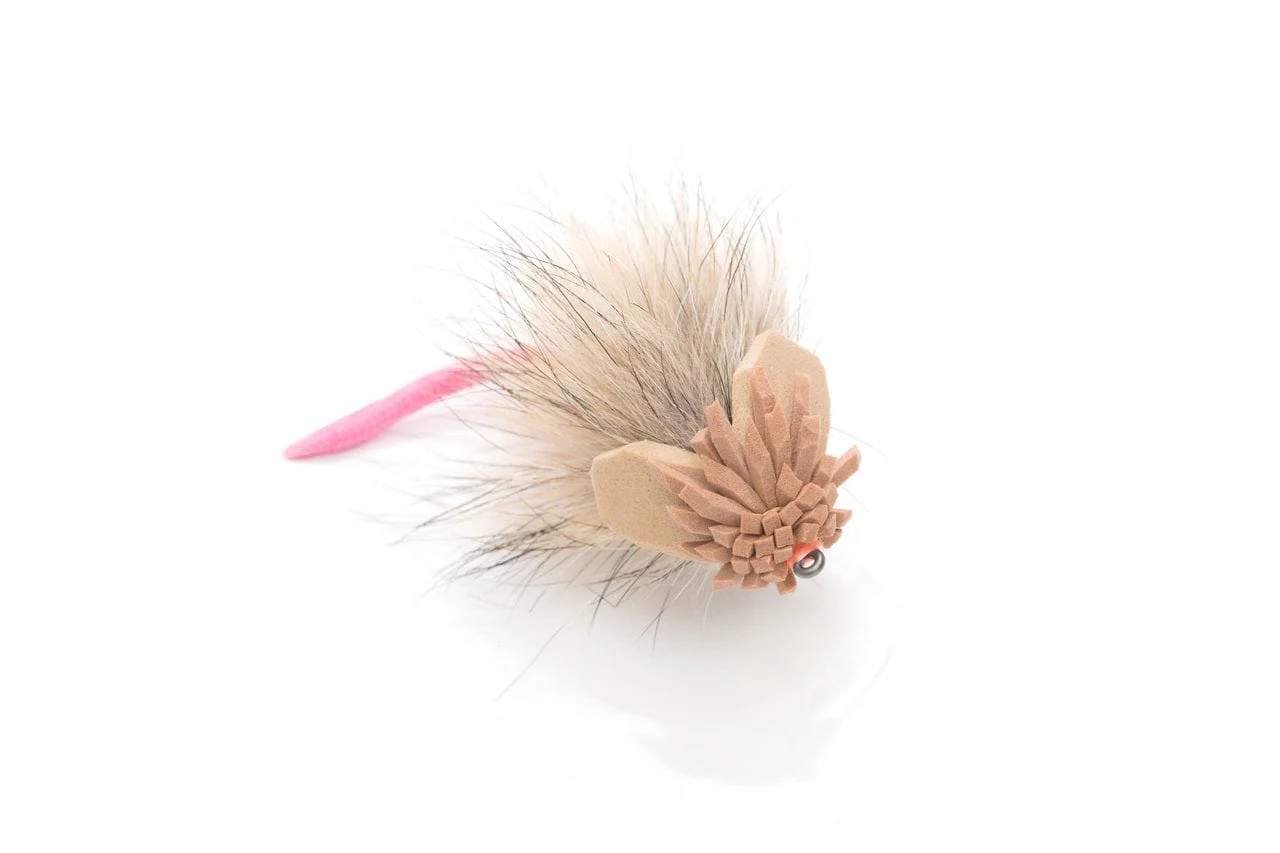
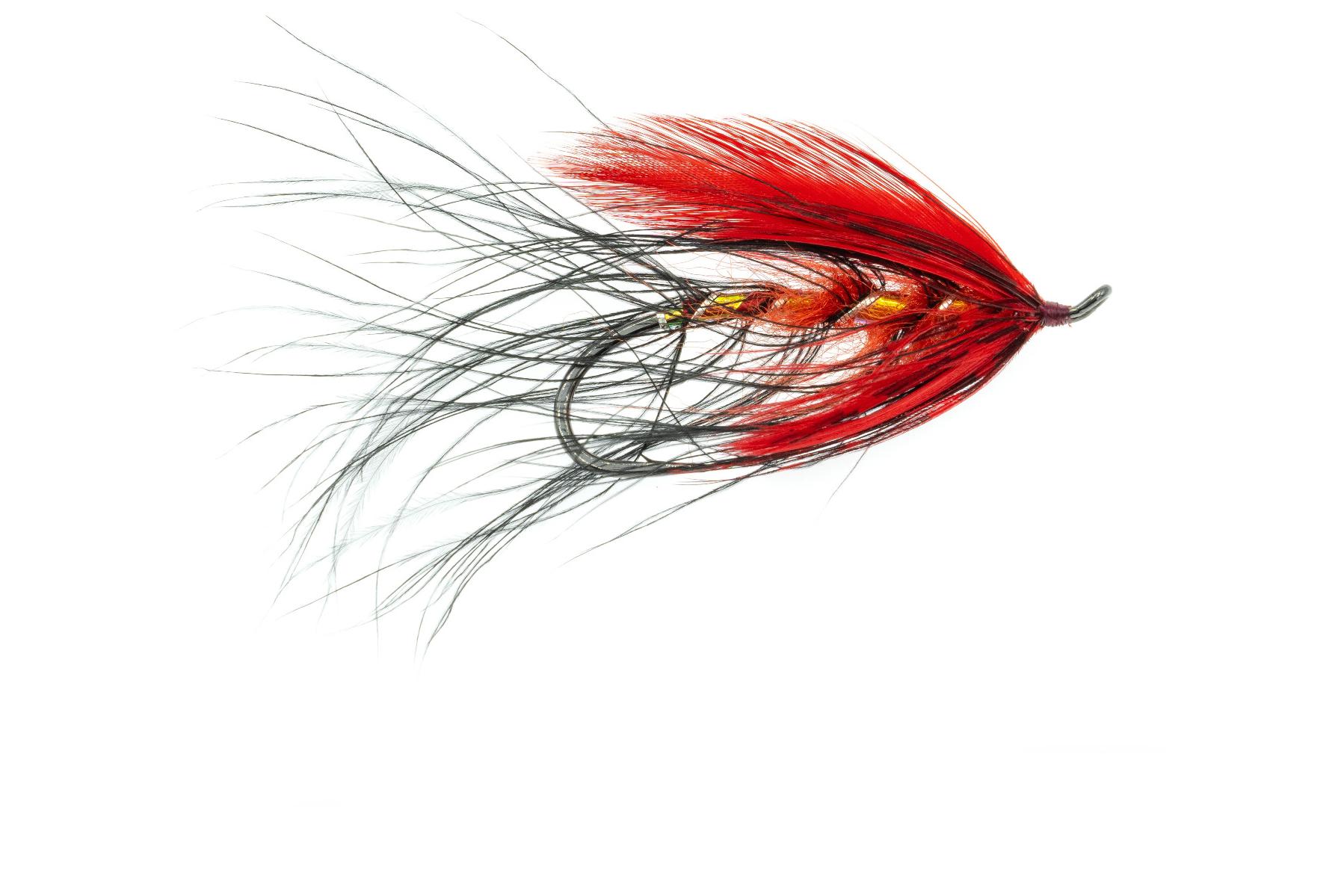
The Tail Dragger Tube Fly is a premier pattern for chasing steelhead and salmon in big water systems. Designed by Marty Howard, this fly combines the soft pulsation of marabou with the heavy, slithering action of a rabbit strip tail. It is a mandatory addition to your swing box when targeting migratory fish in the Pacific Northwest, Great Lakes, and beyond.
What It Imitates
This is a classic attractor pattern that does not look like one specific insect. Instead, it mimics the general profile of leeches, prawns, squids, or baitfish. The long rabbit strip tail wiggles constantly in the current to trigger aggressive strikes from territorial fish.
How To Use It
You fish this pattern on the swing. Cast it down and across the current, mend your line to let it sink, and allow the fly to swim across the river until it hangs directly below you. Because this is a tube fly, you must rig it differently than a standard hook fly. Thread your leader through the plastic tube, tie on a short-shank hook (like an Owner SSW) using a loop knot, and pull the hook eye into the junction tubing at the rear of the fly. This setup allows you to change hooks if one gets dull or damaged.
When To Use It
This fly shines in cold, high, or off-colored water where you need a large profile to get the fish's attention. The rabbit strip absorbs water, helping the fly sink into the strike zone quickly. It is an excellent choice for winter steelhead fishing or for targeting aggressive chinook salmon in deep runs.
Why We Like It
Tube flies offer a huge advantage in durability and versatility. When you hook a fish, the fly body often slides up the leader, keeping it safe from sharp teeth. We also love the movement of the "Tail Dragger" design. The heavy rabbit strip creates a seductive motion that continues even in slower currents, while the marabou collar adds a lifeline pulse.
Comparisons
Tail Dragger Tube Fly vs Hoh Bo Spey: The Hoh Bo Spey relies almost entirely on marabou and feathers for its movement. This makes it lighter and easier to cast, but it has a slimmer profile in the water. The Tail Dragger uses a rabbit strip, which gives it a denser, larger presence and more undulating action that pushes more water.
Tail Dragger Tube Fly vs Silvey's Intruder: Silvey's Intruder is typically tied on a shank with dumbbell eyes, meaning the hook is permanently attached via wire. The Tail Dragger is a tube fly, so you can swap out hooks of different sizes or styles depending on the regulations and fish size. The Tail Dragger also tends to have a longer, more flowing tail section compared to the segmented body of the Silvey's.
Tail Dragger Tube Fly vs Dirty Hoh: Both flies utilize rabbit strips and marabou for maximum movement. The main difference is often the head design and rigging. The Dirty Hoh is frequently tied with a large conehead or bead to force a jigging action. The Tail Dragger usually features a more streamlined head for a smoother swim, allowing the current to animate the materials naturally.

Details & Craftsmanship
Every detail has been carefully considered to bring you the perfect product.

Details & Craftsmanship
Every detail has been carefully considered to bring you the perfect product.
Description
The Tail Dragger Tube Fly is a premier pattern for chasing steelhead and salmon in big water systems. Designed by Marty Howard, this fly combines the soft pulsation of marabou with the heavy, slithering action of a rabbit strip tail. It is a mandatory addition to your swing box when targeting migratory fish in the Pacific Northwest, Great Lakes, and beyond.
What It Imitates
This is a classic attractor pattern that does not look like one specific insect. Instead, it mimics the general profile of leeches, prawns, squids, or baitfish. The long rabbit strip tail wiggles constantly in the current to trigger aggressive strikes from territorial fish.
How To Use It
You fish this pattern on the swing. Cast it down and across the current, mend your line to let it sink, and allow the fly to swim across the river until it hangs directly below you. Because this is a tube fly, you must rig it differently than a standard hook fly. Thread your leader through the plastic tube, tie on a short-shank hook (like an Owner SSW) using a loop knot, and pull the hook eye into the junction tubing at the rear of the fly. This setup allows you to change hooks if one gets dull or damaged.
When To Use It
This fly shines in cold, high, or off-colored water where you need a large profile to get the fish's attention. The rabbit strip absorbs water, helping the fly sink into the strike zone quickly. It is an excellent choice for winter steelhead fishing or for targeting aggressive chinook salmon in deep runs.
Why We Like It
Tube flies offer a huge advantage in durability and versatility. When you hook a fish, the fly body often slides up the leader, keeping it safe from sharp teeth. We also love the movement of the "Tail Dragger" design. The heavy rabbit strip creates a seductive motion that continues even in slower currents, while the marabou collar adds a lifeline pulse.
Comparisons
Tail Dragger Tube Fly vs Hoh Bo Spey: The Hoh Bo Spey relies almost entirely on marabou and feathers for its movement. This makes it lighter and easier to cast, but it has a slimmer profile in the water. The Tail Dragger uses a rabbit strip, which gives it a denser, larger presence and more undulating action that pushes more water.
Tail Dragger Tube Fly vs Silvey's Intruder: Silvey's Intruder is typically tied on a shank with dumbbell eyes, meaning the hook is permanently attached via wire. The Tail Dragger is a tube fly, so you can swap out hooks of different sizes or styles depending on the regulations and fish size. The Tail Dragger also tends to have a longer, more flowing tail section compared to the segmented body of the Silvey's.
Tail Dragger Tube Fly vs Dirty Hoh: Both flies utilize rabbit strips and marabou for maximum movement. The main difference is often the head design and rigging. The Dirty Hoh is frequently tied with a large conehead or bead to force a jigging action. The Tail Dragger usually features a more streamlined head for a smoother swim, allowing the current to animate the materials naturally.