
Original: $24.99
-65%$24.99
$8.75The Story
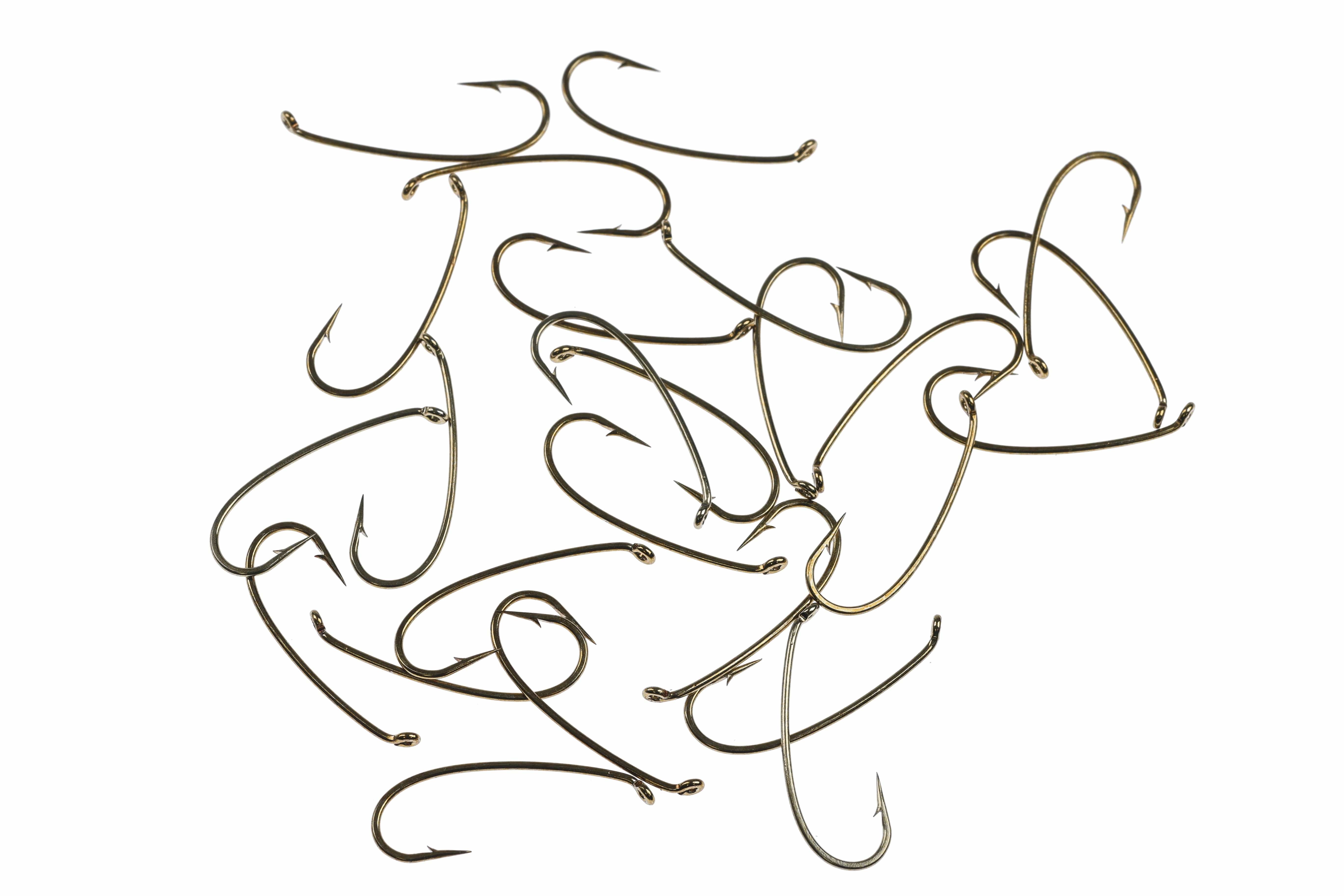
The Pro Sportfisher Trout Tying Kit is a compact system of tube-fly components scaled specifically for trout-sized patterns. You get short, fine-diameter tubes, snug hook guides, and a selection of cones/disks and weights that let you build mini streamers, soft-hackle tubes, and micro-intruders without the bulk typical of salmon/steelhead tubes. Colors and sizes are curated to cover clear-water finesse through higher flows and stained conditions.
Because it’s built around Pro Sportfisher’s consistent tube diameters, parts stack cleanly and predictably: junctions fit, cones seat square, and flared stops hold up. The result is tidy, durable trout tubes that cast easily, track straight, and fish at the depth you intended—without wrestling mixed, mismatched hardware.
How to Use
Mount a tube on a mandrel or needle, lay a short thread base, and flare a rear collar with gentle heat to lock the tube. Add weight or a cone before tying if you want it buried, or slide it on at the end if you prefer a clean finish. Build your body and wing just as you would on a hook shank, keeping proportions short to match your target hook size, then whip finish and lightly melt the front to create a neat stop for the cone or disk.
Cut a short length of hook guide, push it onto the rear of the tube, and match a short-shank hook to the fly’s length so the bend sits just behind the wing. Swap hook sizes or styles on the water without retiring the fly, and fine-tune sink rate by choosing lighter brass cones for a hover or tungsten raw weights and turbo-style disks to dig and push water.
Example Flies
Micro Intruder: Built on a slim nano-style tube with a small raw weight up front, a sparse rear ostrich or marabou station, a touch of flash, and a guinea or soft-hackle front collar. Finish with a compact cone or micro disk to pulse the materials on the swing. Pair with a size 6–10 short-shank octopus or intruder-type hook; it fishes beautifully on light tips for pocket-water trout that react to movement more than mass.
Trout Sculpin Tube: An olive or brown tube with a short section of raw weight mid-body, barred rabbit strip wing, and a wool or deer-hair sculpted head pushed into a small brass cone. The cone protects the head and helps the fly track nose-down; a short up-eye hook rides point-up when you keep the hide wing on top, reducing bottom hang-ups when you crawl it near the substrate.
Mini Zonker Tube: A black or natural tube with a slim dubbed body, a 3–4 mm rabbit strip tail, and a petite tungsten cone for a quick sink. Keep the profile tight so it casts like a nymph and fishes on a dead drift or slight lift. A size 10–12 hook sits just behind the strip, improving hookups on short strikes without adding leverage during the fight.
Soft Hackle Tube Leech: A short, weightless tube with a sparse seal- or SLF-style dubbed body and one or two turns of partridge or hen for motion. Add a micro disk if you want extra push in off-color water; otherwise leave it bare for maximum swing and flutter. It excels on long leaders and intermediate lines where a conventional hook-eye soft hackle would hinge or drown.
Why We Like It
The kit’s trout-first sizing keeps patterns light, compact, and castable on 4–6 weights, while still giving you true system modularity—mix tube lengths, swap weights, and color-match cones and guides without fiddly fit issues. Being able to run short, barbless hooks dramatically reduces leverage and loss rates, and you can replace a dulled hook in seconds without retiring a great fly.
Depth control is straightforward: select brass for a level swim, tungsten for quick drop, or a disk to add thump and stabilization in current. The tidy component tolerances also make clean finishes easy—cones seat flush, rear flares hold, and junctions grip—so your flies last longer under teeth and rocks.
Comparable Materials
The HMH Tube Fly Starter Kit covers a wide size range and includes metal and plastic tubes plus junctions, making it versatile if you tie both trout and larger anadromous patterns; however, many of its stock components are sized more toward steelhead/salmon, so you may trim or adapt more for micro patterns. By contrast, the Pro Sportfisher Trout Tying Kit lands directly in the trout zone with slimmer tubes, smaller cones/disks, and tighter-fitting hook guides that keep small flies proportional. If you prefer a classic needle-and-metal approach with broader diameter options, HMH is solid; if you want a purpose-built, small-format system that minimizes tinkering for trout, Pro Sportfisher feels more turnkey.
Description
The Pro Sportfisher Trout Tying Kit is a compact system of tube-fly components scaled specifically for trout-sized patterns. You get short, fine-diameter tubes, snug hook guides, and a selection of cones/disks and weights that let you build mini streamers, soft-hackle tubes, and micro-intruders without the bulk typical of salmon/steelhead tubes. Colors and sizes are curated to cover clear-water finesse through higher flows and stained conditions.
Because it’s built around Pro Sportfisher’s consistent tube diameters, parts stack cleanly and predictably: junctions fit, cones seat square, and flared stops hold up. The result is tidy, durable trout tubes that cast easily, track straight, and fish at the depth you intended—without wrestling mixed, mismatched hardware.
How to Use
Mount a tube on a mandrel or needle, lay a short thread base, and flare a rear collar with gentle heat to lock the tube. Add weight or a cone before tying if you want it buried, or slide it on at the end if you prefer a clean finish. Build your body and wing just as you would on a hook shank, keeping proportions short to match your target hook size, then whip finish and lightly melt the front to create a neat stop for the cone or disk.
Cut a short length of hook guide, push it onto the rear of the tube, and match a short-shank hook to the fly’s length so the bend sits just behind the wing. Swap hook sizes or styles on the water without retiring the fly, and fine-tune sink rate by choosing lighter brass cones for a hover or tungsten raw weights and turbo-style disks to dig and push water.
Example Flies
Micro Intruder: Built on a slim nano-style tube with a small raw weight up front, a sparse rear ostrich or marabou station, a touch of flash, and a guinea or soft-hackle front collar. Finish with a compact cone or micro disk to pulse the materials on the swing. Pair with a size 6–10 short-shank octopus or intruder-type hook; it fishes beautifully on light tips for pocket-water trout that react to movement more than mass.
Trout Sculpin Tube: An olive or brown tube with a short section of raw weight mid-body, barred rabbit strip wing, and a wool or deer-hair sculpted head pushed into a small brass cone. The cone protects the head and helps the fly track nose-down; a short up-eye hook rides point-up when you keep the hide wing on top, reducing bottom hang-ups when you crawl it near the substrate.
Mini Zonker Tube: A black or natural tube with a slim dubbed body, a 3–4 mm rabbit strip tail, and a petite tungsten cone for a quick sink. Keep the profile tight so it casts like a nymph and fishes on a dead drift or slight lift. A size 10–12 hook sits just behind the strip, improving hookups on short strikes without adding leverage during the fight.
Soft Hackle Tube Leech: A short, weightless tube with a sparse seal- or SLF-style dubbed body and one or two turns of partridge or hen for motion. Add a micro disk if you want extra push in off-color water; otherwise leave it bare for maximum swing and flutter. It excels on long leaders and intermediate lines where a conventional hook-eye soft hackle would hinge or drown.
Why We Like It
The kit’s trout-first sizing keeps patterns light, compact, and castable on 4–6 weights, while still giving you true system modularity—mix tube lengths, swap weights, and color-match cones and guides without fiddly fit issues. Being able to run short, barbless hooks dramatically reduces leverage and loss rates, and you can replace a dulled hook in seconds without retiring a great fly.
Depth control is straightforward: select brass for a level swim, tungsten for quick drop, or a disk to add thump and stabilization in current. The tidy component tolerances also make clean finishes easy—cones seat flush, rear flares hold, and junctions grip—so your flies last longer under teeth and rocks.
Comparable Materials
The HMH Tube Fly Starter Kit covers a wide size range and includes metal and plastic tubes plus junctions, making it versatile if you tie both trout and larger anadromous patterns; however, many of its stock components are sized more toward steelhead/salmon, so you may trim or adapt more for micro patterns. By contrast, the Pro Sportfisher Trout Tying Kit lands directly in the trout zone with slimmer tubes, smaller cones/disks, and tighter-fitting hook guides that keep small flies proportional. If you prefer a classic needle-and-metal approach with broader diameter options, HMH is solid; if you want a purpose-built, small-format system that minimizes tinkering for trout, Pro Sportfisher feels more turnkey.