
Original: $34.99
-65%$34.99
$12.25The Story
The Pro Sportfisher Steelhead Tube Tying Kit is a curated system for building durable, high‑performance tube flies optimized for steelhead. It brings together matched tubing, junctions, weights, and cones so your flies track straight, shed water, and accept a short stinger hook without compromising the profile. The components work as a modular platform, letting you tune sink rate, silhouette, and movement for different seasons and water conditions without re-learning a new set of dimensions for every pattern.
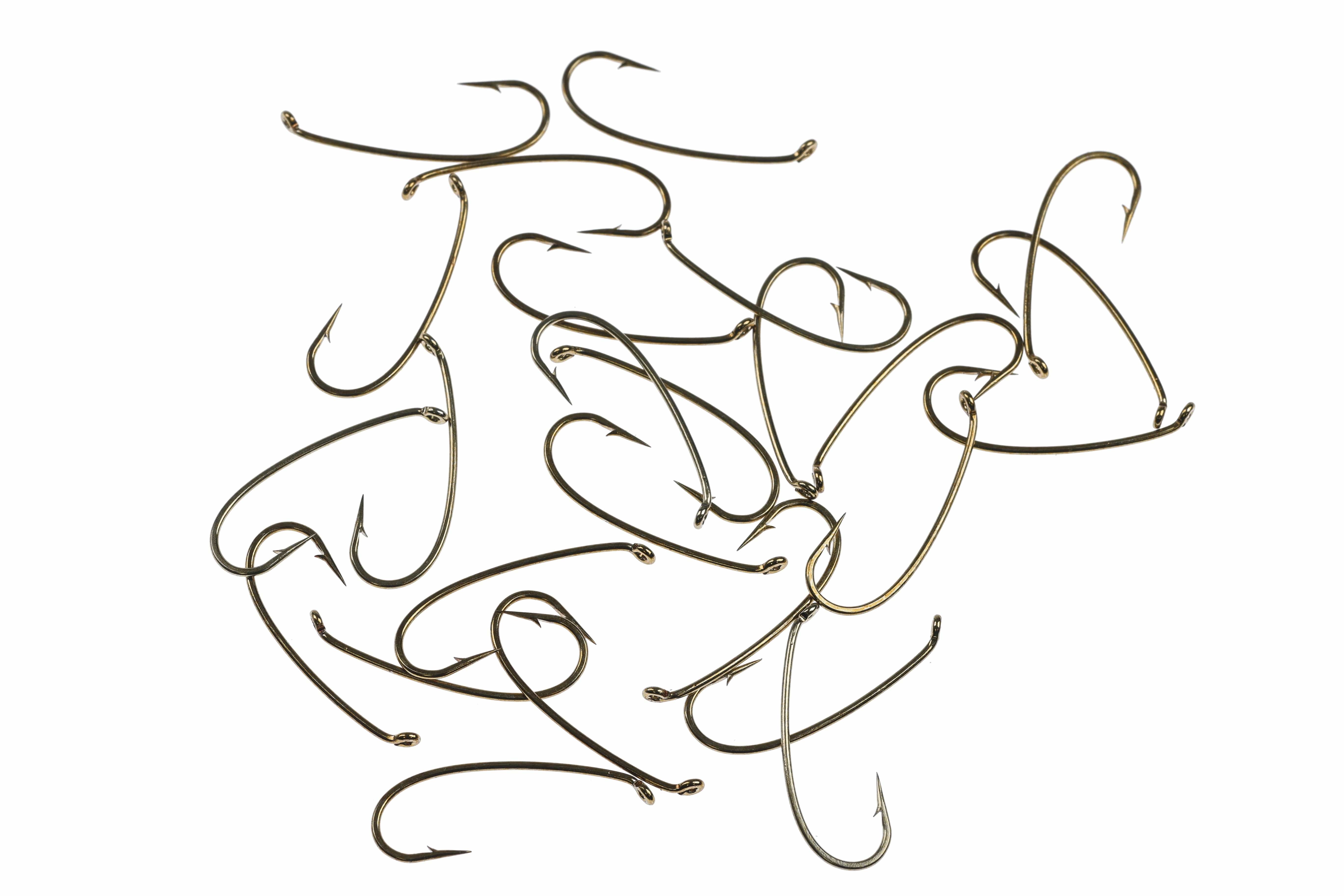
Instead of piecing parts from multiple brands, this kit centers on Pro Sportfisher's compatible diameters and shapes—think step‑down tubes that seat perfectly in hook guides and cones that flare materials predictably. The result is fewer fitment headaches, cleaner heads, and flies that last through multiple fish because the hook lives off the tube, not inside it.
How to Use It
Mount a suitable tube on your tube mandrel, create a small rear stop (melted flare or a tight thread dam), then slide on any weight and tie your body, station, and wing. Finish with your chosen cone or disc; a brief touch of heat at the front sets the cone and locks the head cleanly. Trim the front to final length, add the rear hook guide/junction tubing, and seat your stinger hook. Adjust sink rate and attitude by mixing unweighted tubes, raw barrel weights, or denser cones and by shifting where you place the bulk of your material.
For steelhead, a practical baseline is a step‑down tube around 1.8/3.0 mm with a medium hook guide and a 4–6 mm cone. Keep wings sparse for summer flows and bulk them up (or add a small weight) for winter green water. The system’s matched diameters keep rigging predictable, so you can swap hooks freely without chewing up the back of your fly.
Example Flies
Intruder Tube: Build on a 1.8/3.0 mm tube with a short raw barrel weight slid to mid‑tube for balance. Tie a rear station of ostrich and flash over a dubbing ball, add a slim composite loop for the front station, and finish with a 6 mm turbo‑style cone to lift fibers and breathe in the swing. Black/blue or pink/orange with a size 2–4 short shank hook covers winter flows and pushes a confident silhouette without excessive mass.
Hoh Bo Spey Tube: Use a light step‑down tube with no added weight for a neutral, slow‑hover swing. Tie a sparse black marabou collar, a few long GP tippets or soft hackle for movement, and finish with a small soft head or micro cone to protect the tie‑off. This rendition keeps the classic spey flow but benefits from the tube’s removable hook for quick changes and improved holding power.
Temple Dog‑Style Steelhead Tube: On a mid‑length tube, create a slender body with flat tinsel, then add an underwing of bucktail for structure and an overwing of fox or temple‑dog hair for a lively, translucent profile. Cap with a 5–6 mm cone to flare the wing slightly. Colors like orange/black for fall or chartreuse/white for glides give you a high‑contrast scandi‑inspired swimmer that casts easily and stays lively at low speeds.
Bunny Leech Tube: Slide on a small weight if you need to cut surface chop, then tie in a zonker strip tail and a slim dubbed body. Finish with a modest cone to keep the strip tracking straight. Purple, black, or black/blue on a short hook rides true, takes abuse in pocket water, and remains easy to mend and control on sink tips.
Why We Like It
The kit’s strength is system fit: tubes, guides, weights, and cones are designed to work together, so flies build quickly and finish cleanly. You can target a specific action—neutral swing, hovering lift, or positive dig—by swapping a cone or weight without changing your tying workflow. That consistency makes it simple to replicate confidence patterns in multiple sizes and densities.
On the water, tube rigs land fish well because short stinger hooks pin quickly and can be replaced when they dull. Materials last longer since toothy wear happens on the hook and guide, not the body. The streamlined heads shed water for easier casting, and the cones flare just enough to keep wings from collapsing in heavy current.
Comparable Materials
Consider the HMH Tube Fly Starter Kit or FutureFly’s FITS system as alternatives. HMH offers a mix of plastic and metal tubes with classic junction tubing; it’s versatile and robust but relies more on manual diameter matching. FutureFly’s FITS tubing is soft and easy to flare, with sleek Scandinavian cones and discs. Pro Sportfisher’s kit leans into an integrated, modern geometry—step‑down tubes that lock into hook guides and purpose‑shaped cones (including turbo styles) that consistently lift and ventilate materials. If you value plug‑and‑play compatibility and contemporary swim behavior, the Pro system stands out; if you want traditional metal tube options (HMH) or ultra‑soft tubing and minimalist Scandinavian hardware (FutureFly), those kits compete closely.

Details & Craftsmanship
Every detail has been carefully considered to bring you the perfect product.
Description
The Pro Sportfisher Steelhead Tube Tying Kit is a curated system for building durable, high‑performance tube flies optimized for steelhead. It brings together matched tubing, junctions, weights, and cones so your flies track straight, shed water, and accept a short stinger hook without compromising the profile. The components work as a modular platform, letting you tune sink rate, silhouette, and movement for different seasons and water conditions without re-learning a new set of dimensions for every pattern.
Instead of piecing parts from multiple brands, this kit centers on Pro Sportfisher's compatible diameters and shapes—think step‑down tubes that seat perfectly in hook guides and cones that flare materials predictably. The result is fewer fitment headaches, cleaner heads, and flies that last through multiple fish because the hook lives off the tube, not inside it.
How to Use It
Mount a suitable tube on your tube mandrel, create a small rear stop (melted flare or a tight thread dam), then slide on any weight and tie your body, station, and wing. Finish with your chosen cone or disc; a brief touch of heat at the front sets the cone and locks the head cleanly. Trim the front to final length, add the rear hook guide/junction tubing, and seat your stinger hook. Adjust sink rate and attitude by mixing unweighted tubes, raw barrel weights, or denser cones and by shifting where you place the bulk of your material.
For steelhead, a practical baseline is a step‑down tube around 1.8/3.0 mm with a medium hook guide and a 4–6 mm cone. Keep wings sparse for summer flows and bulk them up (or add a small weight) for winter green water. The system’s matched diameters keep rigging predictable, so you can swap hooks freely without chewing up the back of your fly.
Example Flies
Intruder Tube: Build on a 1.8/3.0 mm tube with a short raw barrel weight slid to mid‑tube for balance. Tie a rear station of ostrich and flash over a dubbing ball, add a slim composite loop for the front station, and finish with a 6 mm turbo‑style cone to lift fibers and breathe in the swing. Black/blue or pink/orange with a size 2–4 short shank hook covers winter flows and pushes a confident silhouette without excessive mass.
Hoh Bo Spey Tube: Use a light step‑down tube with no added weight for a neutral, slow‑hover swing. Tie a sparse black marabou collar, a few long GP tippets or soft hackle for movement, and finish with a small soft head or micro cone to protect the tie‑off. This rendition keeps the classic spey flow but benefits from the tube’s removable hook for quick changes and improved holding power.
Temple Dog‑Style Steelhead Tube: On a mid‑length tube, create a slender body with flat tinsel, then add an underwing of bucktail for structure and an overwing of fox or temple‑dog hair for a lively, translucent profile. Cap with a 5–6 mm cone to flare the wing slightly. Colors like orange/black for fall or chartreuse/white for glides give you a high‑contrast scandi‑inspired swimmer that casts easily and stays lively at low speeds.
Bunny Leech Tube: Slide on a small weight if you need to cut surface chop, then tie in a zonker strip tail and a slim dubbed body. Finish with a modest cone to keep the strip tracking straight. Purple, black, or black/blue on a short hook rides true, takes abuse in pocket water, and remains easy to mend and control on sink tips.
Why We Like It
The kit’s strength is system fit: tubes, guides, weights, and cones are designed to work together, so flies build quickly and finish cleanly. You can target a specific action—neutral swing, hovering lift, or positive dig—by swapping a cone or weight without changing your tying workflow. That consistency makes it simple to replicate confidence patterns in multiple sizes and densities.
On the water, tube rigs land fish well because short stinger hooks pin quickly and can be replaced when they dull. Materials last longer since toothy wear happens on the hook and guide, not the body. The streamlined heads shed water for easier casting, and the cones flare just enough to keep wings from collapsing in heavy current.
Comparable Materials
Consider the HMH Tube Fly Starter Kit or FutureFly’s FITS system as alternatives. HMH offers a mix of plastic and metal tubes with classic junction tubing; it’s versatile and robust but relies more on manual diameter matching. FutureFly’s FITS tubing is soft and easy to flare, with sleek Scandinavian cones and discs. Pro Sportfisher’s kit leans into an integrated, modern geometry—step‑down tubes that lock into hook guides and purpose‑shaped cones (including turbo styles) that consistently lift and ventilate materials. If you value plug‑and‑play compatibility and contemporary swim behavior, the Pro system stands out; if you want traditional metal tube options (HMH) or ultra‑soft tubing and minimalist Scandinavian hardware (FutureFly), those kits compete closely.