

Original: $8,000.00
-65%$8,000.00
$2,800.00The Story
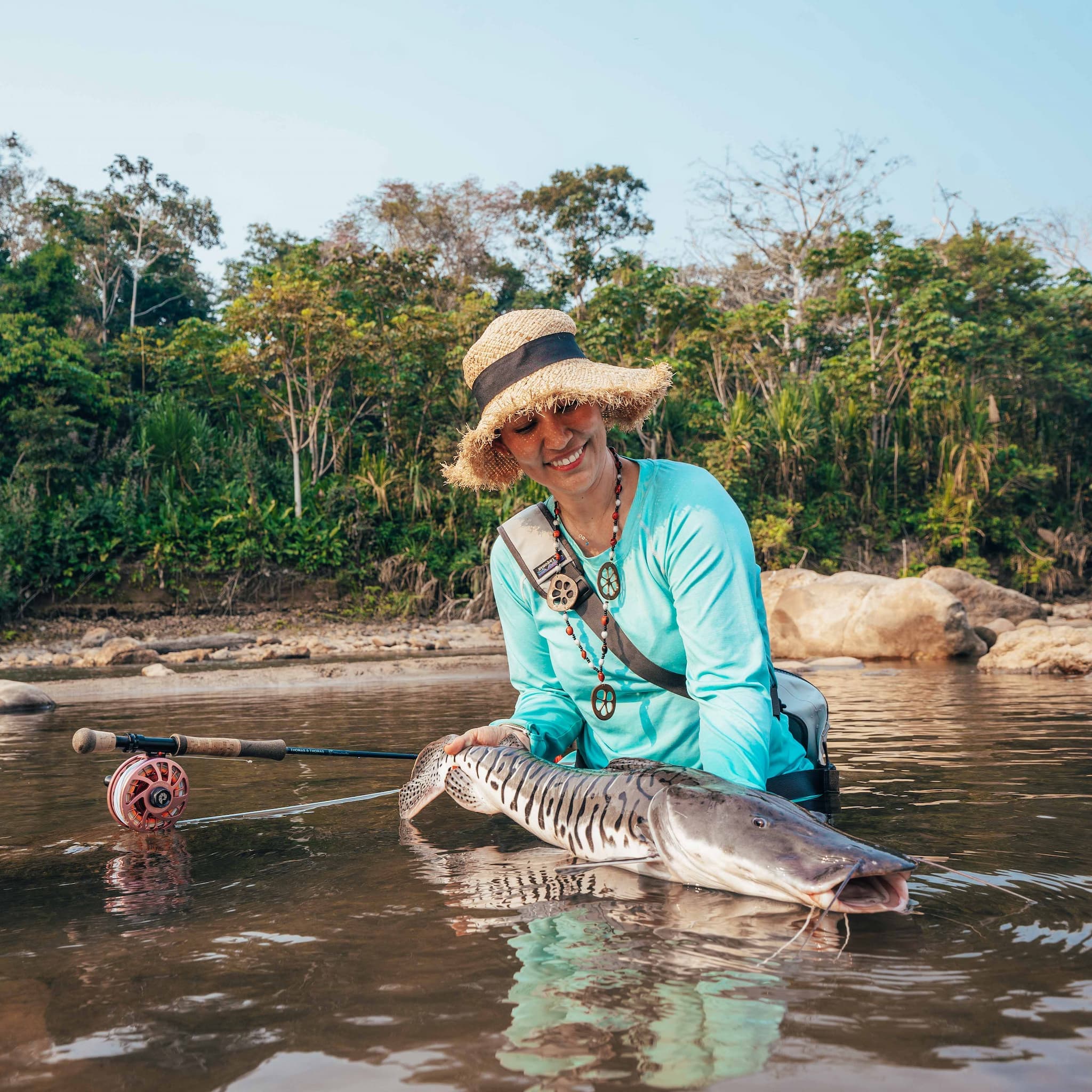
Hidden deep within Bolivia’s Isiboro Sécure National Park, Pluma Lodge is surrounded by lush jungle and a network of clear freestone rivers that tumble out of the Andes foothills. These rivers, the Pluma and Itirizama, offer a rare opportunity to sight-cast for powerful Golden Dorado in crystal-clear water. Guests can also encounter hard-fighting Pacu and Yatorana while exploring a mix of rugged canyons, riffles, and serene jungle pools. A team of professional international and Indigenous guides provide expert instruction and local insight, combining world-class fishing knowledge with warm hospitality. Set within one of South America’s most pristine wilderness areas, Pluma Lodge delivers a true jungle expedition balanced by exceptional service, fine cuisine, and the camaraderie of a small, close-knit lodge atmosphere.
Who It’s For
-
Adventurous anglers
-
Small groups or pairs
When To Go
Pluma Lodge operates during Bolivia’s dry season, from late May through October, when water levels drop and rivers run clear. Early season (May–June) often brings slightly higher flows and cooler temperatures, ideal for targeting aggressive dorado that haven’t yet seen flies. The mid-season months of July through September are considered peak, offering the most stable river conditions and excellent sight-fishing opportunities. As the season winds down in October, water levels are typically lowest, exposing more structure and creating technical but rewarding fishing in gin-clear pools. Across the entire season, anglers can expect warm days, cooler nights, and some of the most dynamic jungle fishing anywhere in the world.
Golden Dorado
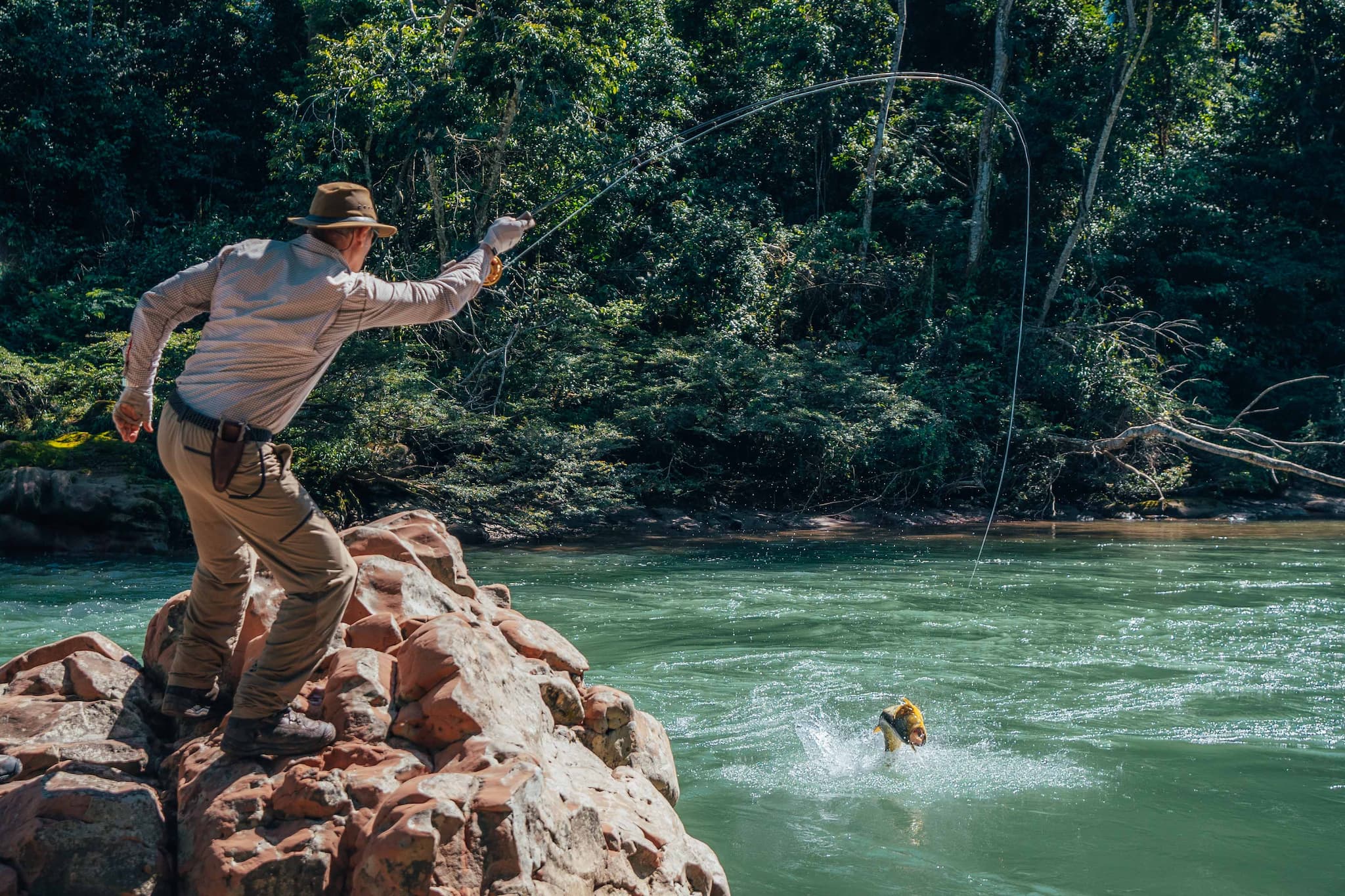
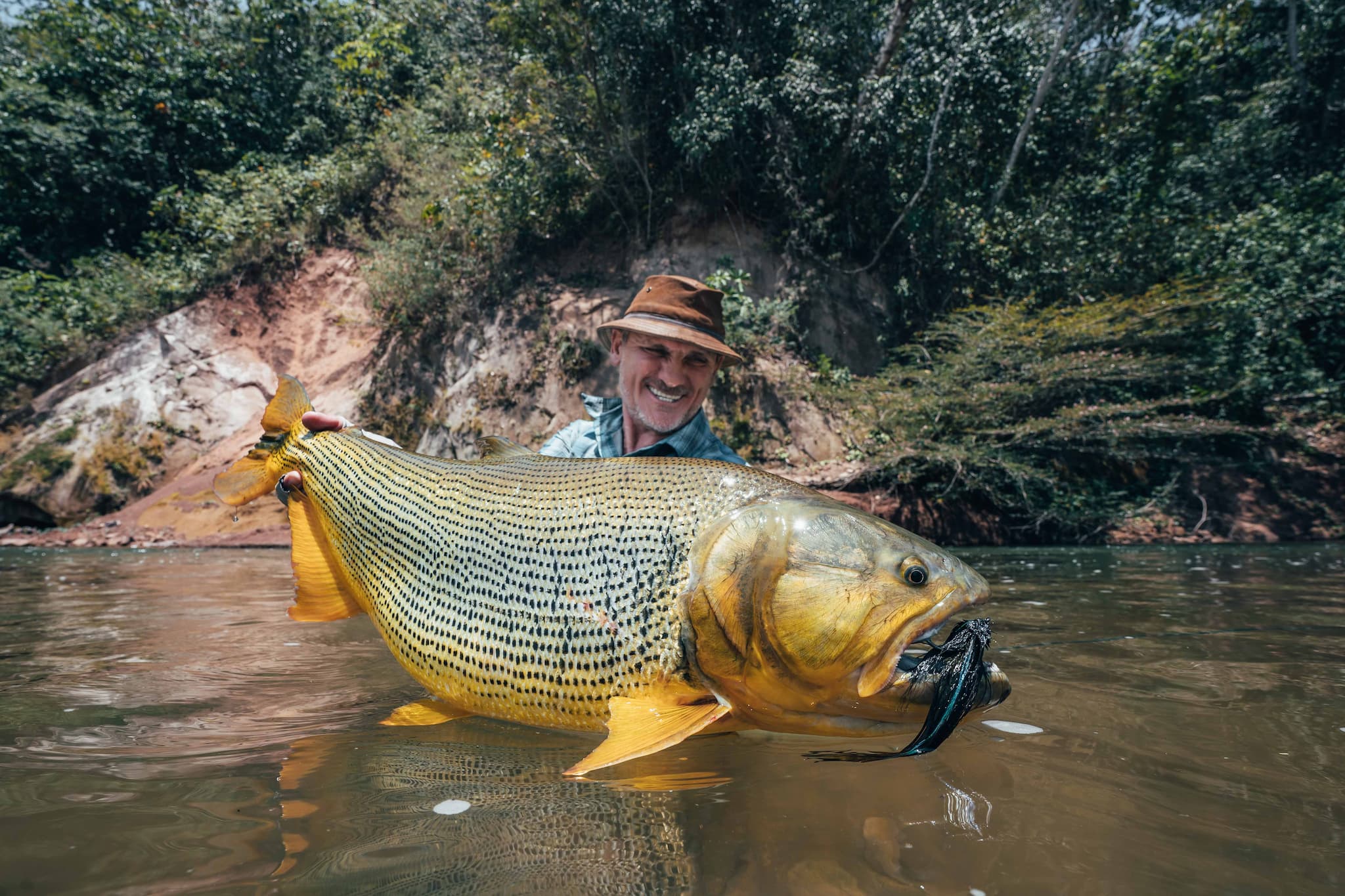
Golden Dorado are the undisputed highlight at Pluma Lodge. These apex predators patrol the clear jungle rivers with explosive speed and power, often attacking flies in plain view. Most fish average 5–15 pounds, with regular encounters of 20-pound trophies each week. Anglers typically target them by sight fishing, casting large streamers toward structure, current seams, or visible baitfish activity, and watching the eat unfold. Dorado are aggressive yet discerning, which rewards accurate presentations and a solid strip strike. Fishing is done primarily on foot, wading freestone runs and pools. Few freshwater species combine beauty, strength, and acrobatics like the Golden Dorado, and nowhere showcases them better than Bolivia’s Pluma Lodge.
Pacu
Often called the “freshwater permit,” Pacu are among the most challenging and rewarding species found at Pluma Lodge. These powerful, deep-bodied fish inhabit slower pools and shaded jungle backwaters where they feed on fallen fruit, nuts, and insects. Sight fishing for Pacu is a visual and technical game that requires patience, accuracy, and delicate presentations. Anglers cast fruit imitations or large dry flies to subtle rises or under overhanging branches, then brace for blistering runs once the fish is hooked. Pacu commonly weigh between 8 and 20 pounds, and their raw power and endurance make them a favorite secondary target for experienced anglers exploring the Pluma and Sécure River systems.
Yatorana
Yatorana are smaller, hard-fighting natives that add variety and excitement to the fishing at Pluma Lodge. Sometimes called “jungle trout,” these sleek, silver fish are fast and aggressive, often found in riffles and pocket water alongside Dorado. They readily eat smaller streamers, nymphs, and large dry flies, making them an excellent target on lighter tackle. Most Yatorana range from 2 to 6 pounds and are known for their spirited fights and dazzling coloration. Many anglers enjoy pursuing them during slower mid-day hours or when exploring the upper Itirizama and Pluma tributaries, where the clear water and frequent surface eats make for an unforgettable light-rod experience.
Equipment
Fishing at Pluma Lodge requires stout, dependable gear built for powerful jungle species. Most anglers bring 8- and 9-weight rods paired with large-arbor reels and smooth, sealed drags capable of handling fast runs and heavy flies. A tropical floating line covers most situations, while an intermediate or sink-tip line can be useful in deeper pools or stronger currents. Leaders are short and heavy, typically 40–50 lb fluorocarbon with a knotable wire bite tippet for protection against sharp teeth.
Fishing is done entirely by wading, so anglers should bring durable wet-wading boots with good traction and quick-dry clothing suitable for warm, humid conditions. Guides will assist with rigging each day. Trident provides a complete packing and gear list upon booking.
Itinerary

Days 1 - 2: From Home to Santa Cruz, Bolivia
Travel to Santa Cruz de la Sierra (VVI), Bolivia’s largest city and the gateway to the country’s jungle fisheries. Upon arrival, a lodge representative will meet you and transfer you to a comfortable hotel for the night. This stay is included in your package and allows time to rest after international travel before the charter flight into the jungle.
Day 3: From Santa Cruz to Pluma Lodge
After breakfast, the group will transfer to a local airport for a 70–90-minute charter flight to an Indigenous community airstrip near the Sécure River. From there, a scenic upriver canoe ride of about an hour brings you to Pluma Lodge. Upon arrival, you’ll settle into your cabin, meet the guides and staff, and have time to organize tackle before dinner.
Days 4 - 9: The Fishing Days
Each day begins with a full breakfast before heading out with your guide to one of several beats on the Pluma, Itirizama, or lower Sécure Rivers. Fishing is primarily walk-and-wade, with boat support where needed, and most anglers fish in pairs with one professional and one local guide. Lunch is served streamside, and you’ll return to the lodge each evening for cocktails, appetizers, and dinner. For those joining the heli-fishing program, days include short flights to remote headwaters that see little to no angling pressure.
Day 10: From Pluma Lodge to Santa Cruz, Bolivia
After breakfast, you’ll travel back downriver by canoe and board the charter flight to Santa Cruz. Upon arrival, the group will transfer to the hotel for one final night in the city, included in your package.
Day 11: From Santa Cruz, Bolivia, to Home
Enjoy breakfast at the hotel before transferring to the Viru Viru International Airport (VVI) for your departing flight home.
Lodging

Accommodations
Pluma Lodge sits on a forested bluff above the Pluma River, surrounded by towering hardwoods and the sounds of the jungle. The property features a spacious main lodge built from local materials, with high thatched roofs, open-air walkways, and comfortable gathering spaces overlooking the river. Guests dine together in a large communal dining room and relax in the adjoining air-conditioned lounge and bar area, which serves as the social hub each evening.
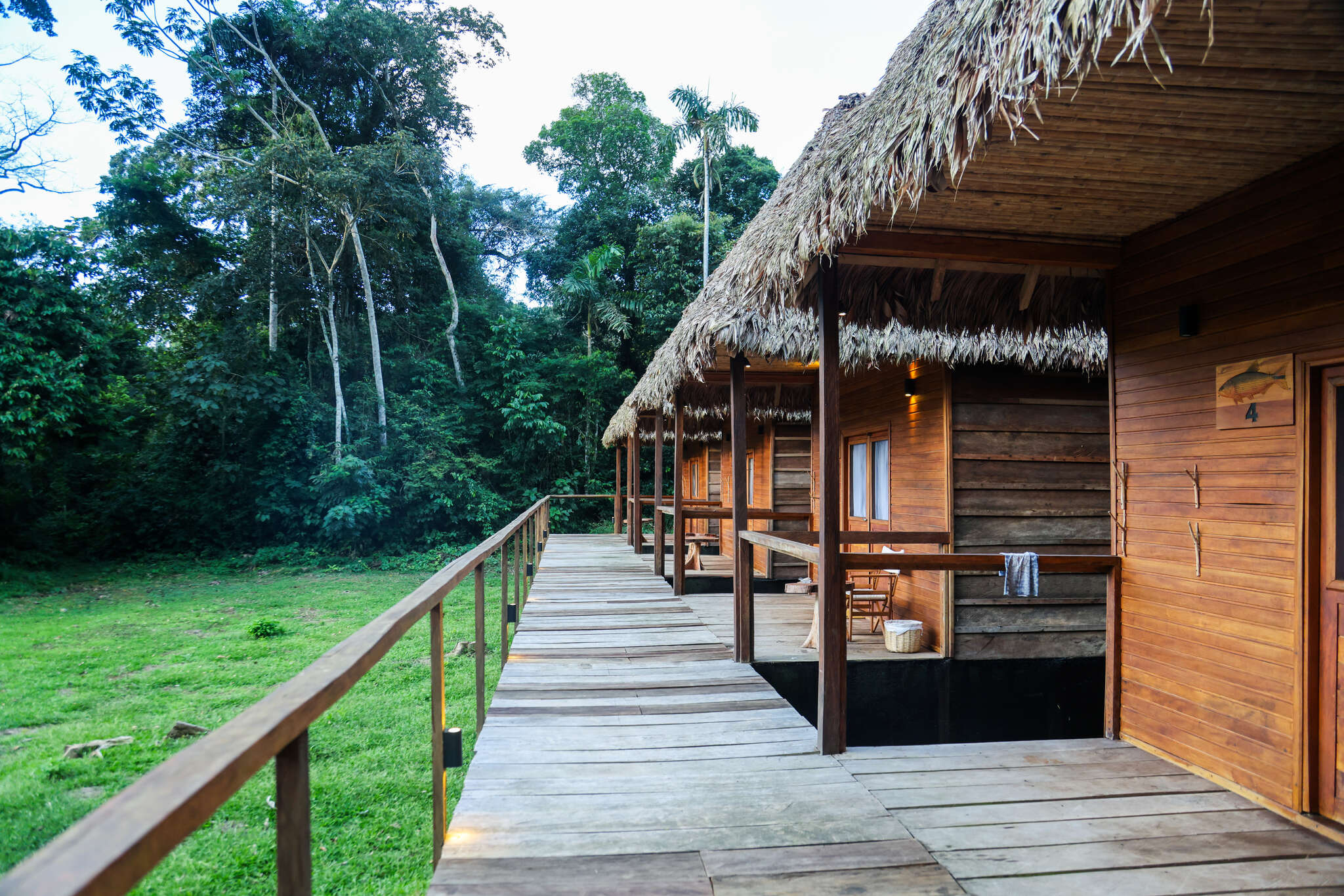
Guest rooms are individual wood cabins arranged along shaded paths near the main lodge. Each cabin offers single-occupancy accommodations with a private bathroom, hot shower, and daily housekeeping service. Electricity is available for lighting and charging devices, and ceiling fans keep rooms cool at night. Despite its remote location, the lodge is thoughtfully designed to provide comfort without losing touch with the surrounding wilderness.
Additional amenities include a small on-site fly shop, complimentary laundry service, and a dedicated massage room for guests looking to unwind after a day on the water.
Food
Meals at Pluma Lodge are an unexpected highlight of the experience. The kitchen team prepares a mix of international and regional dishes using fresh ingredients, including locally sourced produce and meats. Mornings begin with a hearty made-to-order breakfast, while lunches are served picnic-style on the river, often featuring grilled meats, salads, and fruit. Evenings are relaxed and social, with guests gathering in the dining room for multi-course dinners paired with fine Argentine and Chilean wines. The atmosphere is casual but refined, and the quality of the food and service consistently exceeds expectations for such a remote jungle setting.
Connectivity
While Pluma Lodge is located deep in the Bolivian jungle, guests can stay in touch when needed. The lodge offers StarLink Wi-Fi, suitable for checking emails or messaging through apps like WhatsApp. There is no cell phone service in the area, but a satellite phone is available on-site for emergencies. Electricity is provided by generators and inverters, allowing guests to charge devices in their rooms or the main lodge. Most anglers find that Pluma offers the perfect balance between staying connected and truly disconnecting from the outside world.
Rates
2026 Fishing Packages
Trident Travel’s expert planning service is free of charge.
The rates below are the same as you would pay by booking directly with the lodge.
Rates and inclusions are subject to change at any time. Contact us for the most current pricing.
Standard Fishing Package
Single Occupancy / Shared Guide (Per Person)
9 Nights / 6 Fishing Days = $8,000 + $670 Native Entrance Fee
Heli Fishing Package
Single Occupancy / Private Guide (Per Person)
9 Nights / 6 Fishing Days = $16,000 + $1,250 Native Entrance Fee
What’s Included:
-
Domestic airfare between Santa Cruz and Pluma Lodge
-
Airport transfers in Santa Cruz
-
Double occupancy lodging for 2 nights in Santa Cruz (arrival and departure)
-
Meals at Pluma Lodge
-
Guided fishing
-
Satellite WiFi
-
Laundry service
What’s Not Included:
-
Gratuities
-
International airfare
-
Meals in Santa Cruz
-
Visa fees and departure taxes
-
Fishing equipment and terminal tackle
FAQ

Do I need a visa to enter Bolivia?
U.S. citizens are required to have a tourist visa to enter Bolivia. It can be obtained on arrival in Santa Cruz for approximately $160 USD, payable in clean cash. Travelers should bring a passport photo, a printed itinerary, and a copy of their hotel reservation to expedite the process. Other nationalities should check entry requirements before arrival.
What is the baggage limit on the charter flight?
The charter flight from Santa Cruz to the Oromomo airstrip has a strict weight limit of 20 kg (about 43 pounds) per person, including carry-on bags. Soft duffels are required, and excess weight may not be allowed due to aircraft capacity.
Are there any health or safety concerns?
Pluma Lodge operates in a remote but well-managed area with experienced staff and emergency communication systems. Insect-borne illnesses are rare during the dry season, but it’s wise to use repellent and wear long sleeves in the evenings. The lodge has a medical evacuation plan in place and partners with local Indigenous communities for support.
Can I drink the water at the lodge?
Yes. The lodge provides purified drinking water for guests at all times. Tap water should not be consumed, but refillable bottles are available for daily use on the river.
What skill level is required for this trip?
Pluma Lodge is best suited for intermediate to advanced fly anglers who are comfortable casting large flies with 8 or 9wt rods and managing line in moving water. Most fishing is done while wading, often on uneven terrain, so good balance and moderate physical fitness are important. Beginners are welcome and will receive patient instruction from experienced guides, but those with solid casting skills and prior experience fishing rivers will get the most out of this destination.
How should I prepare for a week of fly fishing in Bolivia?
Preparation begins with getting comfortable casting large flies accurately with 8- or 9-weight rods. Practicing quick, short presentations at 40–50 feet will pay off once you’re sight-fishing to Dorado in tight jungle channels. Because most fishing is done while wading, moderate fitness and solid balance are important.
Before traveling, make sure your Yellow Fever vaccination is up to date and bring insect repellent and any required medications. Lightweight, quick-dry clothing will keep you comfortable in the warm, humid climate, and sturdy wet-wading boots are essential. Trident provides a detailed packing and equipment list upon booking to help you prepare with confidence.
Is Pluma Lodge Family Friendly?
Pluma Lodge is primarily a fishing-focused destination and best suited for serious anglers. The remote location, full fishing schedule, and lack of non-angling activities make it less ideal for families with young children or non-fishing companions. However, it can be a great experience for family pairs who both enjoy fly fishing and adventure travel.
How many other anglers will be there?
Pluma Lodge hosts a maximum of 8 to 12 anglers per week, depending on the program. The standard package accommodates up to eight guests, while the expanded heli-fishing program can include an additional small group. Anglers fish in pairs with one professional and one local guide, and daily beat rotations ensure that each group has exclusive water.
How does money work in Bolivia?
Travelers should plan to use USD cash for most expenses, including gratuities, visa fees, and any incidentals while in transit or at the lodge. Bring clean, small-denomination bills, as worn or marked notes are often not accepted. It’s a good idea to carry a credit card as a backup for use in Santa Cruz, though most lodge-related costs are cash only. Some guests choose to carry a small amount of Bolivian bolivianos (BOB) for minor travel expenses, which should be exchanged at home or through a reliable bank before departure.
What kind of electrical outlets are there?
Bolivia uses Type A and Type C outlets, which are compatible with most North American and European plug styles. Power is 230 volts at 50 hertz, so check that your chargers and electronics are dual-voltage before packing. The lodge provides reliable electricity for lighting and charging devices, and guests should bring a universal adapter to ensure compatibility with all outlets.
Is there cell service or internet at the lodge?
There is no cell phone service at Pluma Lodge due to its remote jungle location. However, the lodge provides StarLink Wi-Fi suitable for checking emails or sending messages through apps like WhatsApp. A satellite phone is available on-site for emergencies.
Do I need to bring my own flies and tackle?
Yes. Anglers should arrive with their own rods, reels, lines, and terminal tackle suited for Golden Dorado and other jungle species. The lodge maintains a small on-site fly shop with a limited selection of leaders, tippet, and proven local fly patterns, but inventory can be minimal. Bringing your own complete setup ensures you have everything needed for the week and allows you to fish with gear you know and trust.
What is the weather like?
Pluma Lodge operates during Bolivia’s dry season, from May through October, when conditions are generally warm and stable. Days are typically in the 80s to low 90s°F (27–33°C) with moderate humidity, while nights cool into the 60s°F (15–20°C). Rain showers can occur at any time, so anglers should be prepared with a rain jacket at all times while in the field.
Is tipping customary?
Yes. Gratuities are an important part of the lodge’s service culture and are greatly appreciated by the guides and staff. Most guests tip around $40–$50 per angler per day for guides and a similar pooled amount of $150–$250 per guest per week for the lodge staff. Tips should be given in clean U.S. dollars and presented at the end of the week. The lodge manager can help organize staff tips or provide guidance on appropriate amounts.
What happens if I’m injured during the trip, and should I purchase travel insurance?
Medical emergencies and evacuations can happen in remote destinations, which is why we strongly recommend enrolling with Global Rescue before your trip. Global Rescue provides industry-leading medical and security evacuation services, and they also offer comprehensive travel insurance plans serviced through IMG. This all-in-one solution allows anglers to secure both emergency evacuation coverage and travel insurance through a single provider, helping ensure you’re protected if something unexpected occurs before or during your trip.


Details & Craftsmanship
Every detail has been carefully considered to bring you the perfect product.

Details & Craftsmanship
Every detail has been carefully considered to bring you the perfect product.
Details & Craftsmanship
Every detail has been carefully considered to bring you the perfect product.

Details & Craftsmanship
Every detail has been carefully considered to bring you the perfect product.

Details & Craftsmanship
Every detail has been carefully considered to bring you the perfect product.
Details & Craftsmanship
Every detail has been carefully considered to bring you the perfect product.

Details & Craftsmanship
Every detail has been carefully considered to bring you the perfect product.
Details & Craftsmanship
Every detail has been carefully considered to bring you the perfect product.

Details & Craftsmanship
Every detail has been carefully considered to bring you the perfect product.

Details & Craftsmanship
Every detail has been carefully considered to bring you the perfect product.

Details & Craftsmanship
Every detail has been carefully considered to bring you the perfect product.

Details & Craftsmanship
Every detail has been carefully considered to bring you the perfect product.

Details & Craftsmanship
Every detail has been carefully considered to bring you the perfect product.

Details & Craftsmanship
Every detail has been carefully considered to bring you the perfect product.

Details & Craftsmanship
Every detail has been carefully considered to bring you the perfect product.

Details & Craftsmanship
Every detail has been carefully considered to bring you the perfect product.

Details & Craftsmanship
Every detail has been carefully considered to bring you the perfect product.
Details & Craftsmanship
Every detail has been carefully considered to bring you the perfect product.

Details & Craftsmanship
Every detail has been carefully considered to bring you the perfect product.

Details & Craftsmanship
Every detail has been carefully considered to bring you the perfect product.

Details & Craftsmanship
Every detail has been carefully considered to bring you the perfect product.
Description
Hidden deep within Bolivia’s Isiboro Sécure National Park, Pluma Lodge is surrounded by lush jungle and a network of clear freestone rivers that tumble out of the Andes foothills. These rivers, the Pluma and Itirizama, offer a rare opportunity to sight-cast for powerful Golden Dorado in crystal-clear water. Guests can also encounter hard-fighting Pacu and Yatorana while exploring a mix of rugged canyons, riffles, and serene jungle pools. A team of professional international and Indigenous guides provide expert instruction and local insight, combining world-class fishing knowledge with warm hospitality. Set within one of South America’s most pristine wilderness areas, Pluma Lodge delivers a true jungle expedition balanced by exceptional service, fine cuisine, and the camaraderie of a small, close-knit lodge atmosphere.
Who It’s For
-
Adventurous anglers
-
Small groups or pairs
When To Go
Pluma Lodge operates during Bolivia’s dry season, from late May through October, when water levels drop and rivers run clear. Early season (May–June) often brings slightly higher flows and cooler temperatures, ideal for targeting aggressive dorado that haven’t yet seen flies. The mid-season months of July through September are considered peak, offering the most stable river conditions and excellent sight-fishing opportunities. As the season winds down in October, water levels are typically lowest, exposing more structure and creating technical but rewarding fishing in gin-clear pools. Across the entire season, anglers can expect warm days, cooler nights, and some of the most dynamic jungle fishing anywhere in the world.
Golden Dorado
Golden Dorado are the undisputed highlight at Pluma Lodge. These apex predators patrol the clear jungle rivers with explosive speed and power, often attacking flies in plain view. Most fish average 5–15 pounds, with regular encounters of 20-pound trophies each week. Anglers typically target them by sight fishing, casting large streamers toward structure, current seams, or visible baitfish activity, and watching the eat unfold. Dorado are aggressive yet discerning, which rewards accurate presentations and a solid strip strike. Fishing is done primarily on foot, wading freestone runs and pools. Few freshwater species combine beauty, strength, and acrobatics like the Golden Dorado, and nowhere showcases them better than Bolivia’s Pluma Lodge.
Pacu
Often called the “freshwater permit,” Pacu are among the most challenging and rewarding species found at Pluma Lodge. These powerful, deep-bodied fish inhabit slower pools and shaded jungle backwaters where they feed on fallen fruit, nuts, and insects. Sight fishing for Pacu is a visual and technical game that requires patience, accuracy, and delicate presentations. Anglers cast fruit imitations or large dry flies to subtle rises or under overhanging branches, then brace for blistering runs once the fish is hooked. Pacu commonly weigh between 8 and 20 pounds, and their raw power and endurance make them a favorite secondary target for experienced anglers exploring the Pluma and Sécure River systems.
Yatorana
Yatorana are smaller, hard-fighting natives that add variety and excitement to the fishing at Pluma Lodge. Sometimes called “jungle trout,” these sleek, silver fish are fast and aggressive, often found in riffles and pocket water alongside Dorado. They readily eat smaller streamers, nymphs, and large dry flies, making them an excellent target on lighter tackle. Most Yatorana range from 2 to 6 pounds and are known for their spirited fights and dazzling coloration. Many anglers enjoy pursuing them during slower mid-day hours or when exploring the upper Itirizama and Pluma tributaries, where the clear water and frequent surface eats make for an unforgettable light-rod experience.
Equipment
Fishing at Pluma Lodge requires stout, dependable gear built for powerful jungle species. Most anglers bring 8- and 9-weight rods paired with large-arbor reels and smooth, sealed drags capable of handling fast runs and heavy flies. A tropical floating line covers most situations, while an intermediate or sink-tip line can be useful in deeper pools or stronger currents. Leaders are short and heavy, typically 40–50 lb fluorocarbon with a knotable wire bite tippet for protection against sharp teeth.
Fishing is done entirely by wading, so anglers should bring durable wet-wading boots with good traction and quick-dry clothing suitable for warm, humid conditions. Guides will assist with rigging each day. Trident provides a complete packing and gear list upon booking.
Itinerary
Days 1 - 2: From Home to Santa Cruz, Bolivia
Travel to Santa Cruz de la Sierra (VVI), Bolivia’s largest city and the gateway to the country’s jungle fisheries. Upon arrival, a lodge representative will meet you and transfer you to a comfortable hotel for the night. This stay is included in your package and allows time to rest after international travel before the charter flight into the jungle.
Day 3: From Santa Cruz to Pluma Lodge
After breakfast, the group will transfer to a local airport for a 70–90-minute charter flight to an Indigenous community airstrip near the Sécure River. From there, a scenic upriver canoe ride of about an hour brings you to Pluma Lodge. Upon arrival, you’ll settle into your cabin, meet the guides and staff, and have time to organize tackle before dinner.
Days 4 - 9: The Fishing Days
Each day begins with a full breakfast before heading out with your guide to one of several beats on the Pluma, Itirizama, or lower Sécure Rivers. Fishing is primarily walk-and-wade, with boat support where needed, and most anglers fish in pairs with one professional and one local guide. Lunch is served streamside, and you’ll return to the lodge each evening for cocktails, appetizers, and dinner. For those joining the heli-fishing program, days include short flights to remote headwaters that see little to no angling pressure.
Day 10: From Pluma Lodge to Santa Cruz, Bolivia
After breakfast, you’ll travel back downriver by canoe and board the charter flight to Santa Cruz. Upon arrival, the group will transfer to the hotel for one final night in the city, included in your package.
Day 11: From Santa Cruz, Bolivia, to Home
Enjoy breakfast at the hotel before transferring to the Viru Viru International Airport (VVI) for your departing flight home.
Lodging
Accommodations
Pluma Lodge sits on a forested bluff above the Pluma River, surrounded by towering hardwoods and the sounds of the jungle. The property features a spacious main lodge built from local materials, with high thatched roofs, open-air walkways, and comfortable gathering spaces overlooking the river. Guests dine together in a large communal dining room and relax in the adjoining air-conditioned lounge and bar area, which serves as the social hub each evening.
Guest rooms are individual wood cabins arranged along shaded paths near the main lodge. Each cabin offers single-occupancy accommodations with a private bathroom, hot shower, and daily housekeeping service. Electricity is available for lighting and charging devices, and ceiling fans keep rooms cool at night. Despite its remote location, the lodge is thoughtfully designed to provide comfort without losing touch with the surrounding wilderness.
Additional amenities include a small on-site fly shop, complimentary laundry service, and a dedicated massage room for guests looking to unwind after a day on the water.
Food
Meals at Pluma Lodge are an unexpected highlight of the experience. The kitchen team prepares a mix of international and regional dishes using fresh ingredients, including locally sourced produce and meats. Mornings begin with a hearty made-to-order breakfast, while lunches are served picnic-style on the river, often featuring grilled meats, salads, and fruit. Evenings are relaxed and social, with guests gathering in the dining room for multi-course dinners paired with fine Argentine and Chilean wines. The atmosphere is casual but refined, and the quality of the food and service consistently exceeds expectations for such a remote jungle setting.
Connectivity
While Pluma Lodge is located deep in the Bolivian jungle, guests can stay in touch when needed. The lodge offers StarLink Wi-Fi, suitable for checking emails or messaging through apps like WhatsApp. There is no cell phone service in the area, but a satellite phone is available on-site for emergencies. Electricity is provided by generators and inverters, allowing guests to charge devices in their rooms or the main lodge. Most anglers find that Pluma offers the perfect balance between staying connected and truly disconnecting from the outside world.
Rates
2026 Fishing Packages
Trident Travel’s expert planning service is free of charge.
The rates below are the same as you would pay by booking directly with the lodge.
Rates and inclusions are subject to change at any time. Contact us for the most current pricing.
Standard Fishing Package
Single Occupancy / Shared Guide (Per Person)
9 Nights / 6 Fishing Days = $8,000 + $670 Native Entrance Fee
Heli Fishing Package
Single Occupancy / Private Guide (Per Person)
9 Nights / 6 Fishing Days = $16,000 + $1,250 Native Entrance Fee
What’s Included:
-
Domestic airfare between Santa Cruz and Pluma Lodge
-
Airport transfers in Santa Cruz
-
Double occupancy lodging for 2 nights in Santa Cruz (arrival and departure)
-
Meals at Pluma Lodge
-
Guided fishing
-
Satellite WiFi
-
Laundry service
What’s Not Included:
-
Gratuities
-
International airfare
-
Meals in Santa Cruz
-
Visa fees and departure taxes
-
Fishing equipment and terminal tackle
FAQ
Do I need a visa to enter Bolivia?
U.S. citizens are required to have a tourist visa to enter Bolivia. It can be obtained on arrival in Santa Cruz for approximately $160 USD, payable in clean cash. Travelers should bring a passport photo, a printed itinerary, and a copy of their hotel reservation to expedite the process. Other nationalities should check entry requirements before arrival.
What is the baggage limit on the charter flight?
The charter flight from Santa Cruz to the Oromomo airstrip has a strict weight limit of 20 kg (about 43 pounds) per person, including carry-on bags. Soft duffels are required, and excess weight may not be allowed due to aircraft capacity.
Are there any health or safety concerns?
Pluma Lodge operates in a remote but well-managed area with experienced staff and emergency communication systems. Insect-borne illnesses are rare during the dry season, but it’s wise to use repellent and wear long sleeves in the evenings. The lodge has a medical evacuation plan in place and partners with local Indigenous communities for support.
Can I drink the water at the lodge?
Yes. The lodge provides purified drinking water for guests at all times. Tap water should not be consumed, but refillable bottles are available for daily use on the river.
What skill level is required for this trip?
Pluma Lodge is best suited for intermediate to advanced fly anglers who are comfortable casting large flies with 8 or 9wt rods and managing line in moving water. Most fishing is done while wading, often on uneven terrain, so good balance and moderate physical fitness are important. Beginners are welcome and will receive patient instruction from experienced guides, but those with solid casting skills and prior experience fishing rivers will get the most out of this destination.
How should I prepare for a week of fly fishing in Bolivia?
Preparation begins with getting comfortable casting large flies accurately with 8- or 9-weight rods. Practicing quick, short presentations at 40–50 feet will pay off once you’re sight-fishing to Dorado in tight jungle channels. Because most fishing is done while wading, moderate fitness and solid balance are important.
Before traveling, make sure your Yellow Fever vaccination is up to date and bring insect repellent and any required medications. Lightweight, quick-dry clothing will keep you comfortable in the warm, humid climate, and sturdy wet-wading boots are essential. Trident provides a detailed packing and equipment list upon booking to help you prepare with confidence.
Is Pluma Lodge Family Friendly?
Pluma Lodge is primarily a fishing-focused destination and best suited for serious anglers. The remote location, full fishing schedule, and lack of non-angling activities make it less ideal for families with young children or non-fishing companions. However, it can be a great experience for family pairs who both enjoy fly fishing and adventure travel.
How many other anglers will be there?
Pluma Lodge hosts a maximum of 8 to 12 anglers per week, depending on the program. The standard package accommodates up to eight guests, while the expanded heli-fishing program can include an additional small group. Anglers fish in pairs with one professional and one local guide, and daily beat rotations ensure that each group has exclusive water.
How does money work in Bolivia?
Travelers should plan to use USD cash for most expenses, including gratuities, visa fees, and any incidentals while in transit or at the lodge. Bring clean, small-denomination bills, as worn or marked notes are often not accepted. It’s a good idea to carry a credit card as a backup for use in Santa Cruz, though most lodge-related costs are cash only. Some guests choose to carry a small amount of Bolivian bolivianos (BOB) for minor travel expenses, which should be exchanged at home or through a reliable bank before departure.
What kind of electrical outlets are there?
Bolivia uses Type A and Type C outlets, which are compatible with most North American and European plug styles. Power is 230 volts at 50 hertz, so check that your chargers and electronics are dual-voltage before packing. The lodge provides reliable electricity for lighting and charging devices, and guests should bring a universal adapter to ensure compatibility with all outlets.
Is there cell service or internet at the lodge?
There is no cell phone service at Pluma Lodge due to its remote jungle location. However, the lodge provides StarLink Wi-Fi suitable for checking emails or sending messages through apps like WhatsApp. A satellite phone is available on-site for emergencies.
Do I need to bring my own flies and tackle?
Yes. Anglers should arrive with their own rods, reels, lines, and terminal tackle suited for Golden Dorado and other jungle species. The lodge maintains a small on-site fly shop with a limited selection of leaders, tippet, and proven local fly patterns, but inventory can be minimal. Bringing your own complete setup ensures you have everything needed for the week and allows you to fish with gear you know and trust.
What is the weather like?
Pluma Lodge operates during Bolivia’s dry season, from May through October, when conditions are generally warm and stable. Days are typically in the 80s to low 90s°F (27–33°C) with moderate humidity, while nights cool into the 60s°F (15–20°C). Rain showers can occur at any time, so anglers should be prepared with a rain jacket at all times while in the field.
Is tipping customary?
Yes. Gratuities are an important part of the lodge’s service culture and are greatly appreciated by the guides and staff. Most guests tip around $40–$50 per angler per day for guides and a similar pooled amount of $150–$250 per guest per week for the lodge staff. Tips should be given in clean U.S. dollars and presented at the end of the week. The lodge manager can help organize staff tips or provide guidance on appropriate amounts.
What happens if I’m injured during the trip, and should I purchase travel insurance?
Medical emergencies and evacuations can happen in remote destinations, which is why we strongly recommend enrolling with Global Rescue before your trip. Global Rescue provides industry-leading medical and security evacuation services, and they also offer comprehensive travel insurance plans serviced through IMG. This all-in-one solution allows anglers to secure both emergency evacuation coverage and travel insurance through a single provider, helping ensure you’re protected if something unexpected occurs before or during your trip.