
Original: $2.49
-65%$2.49
$0.87The Story
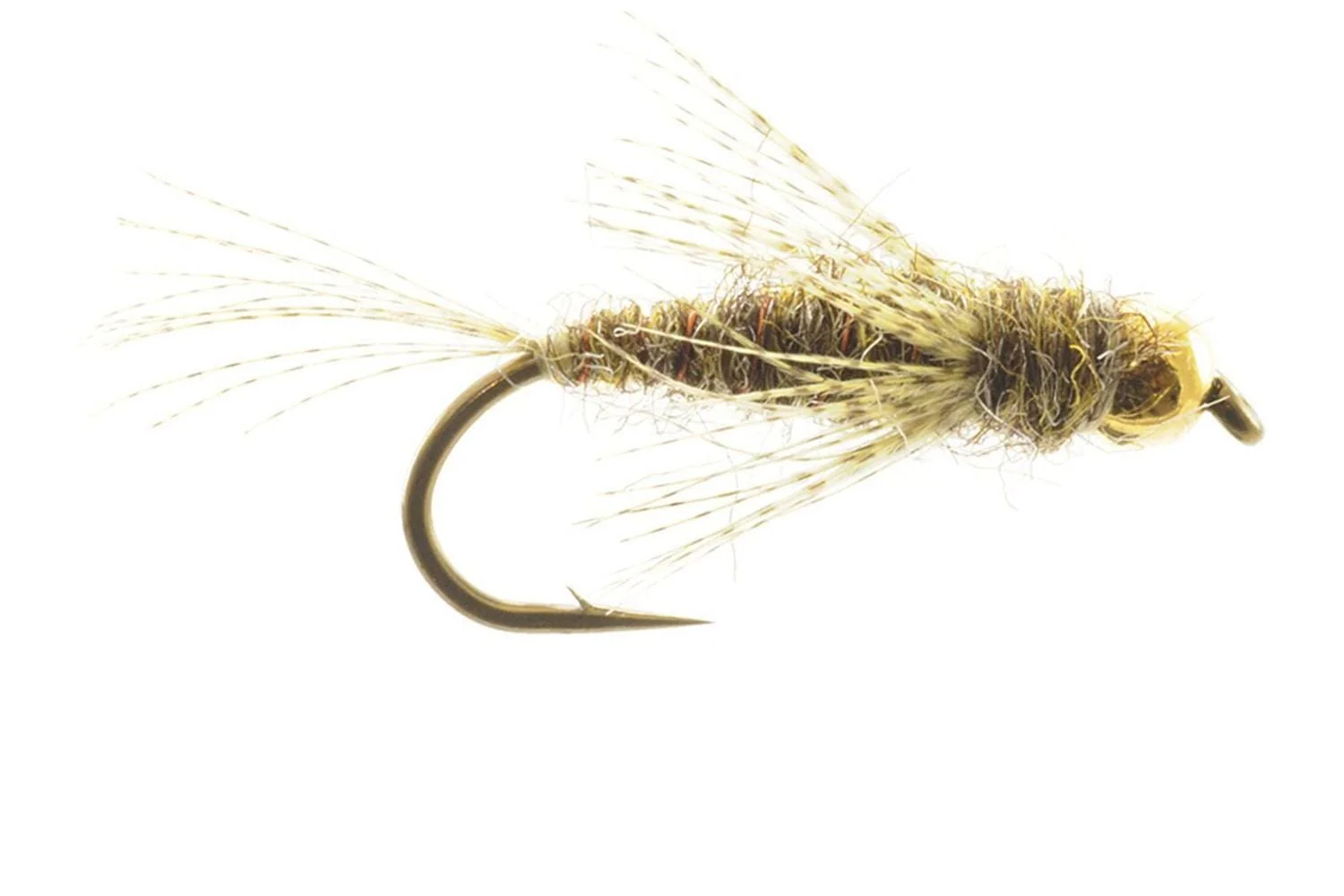
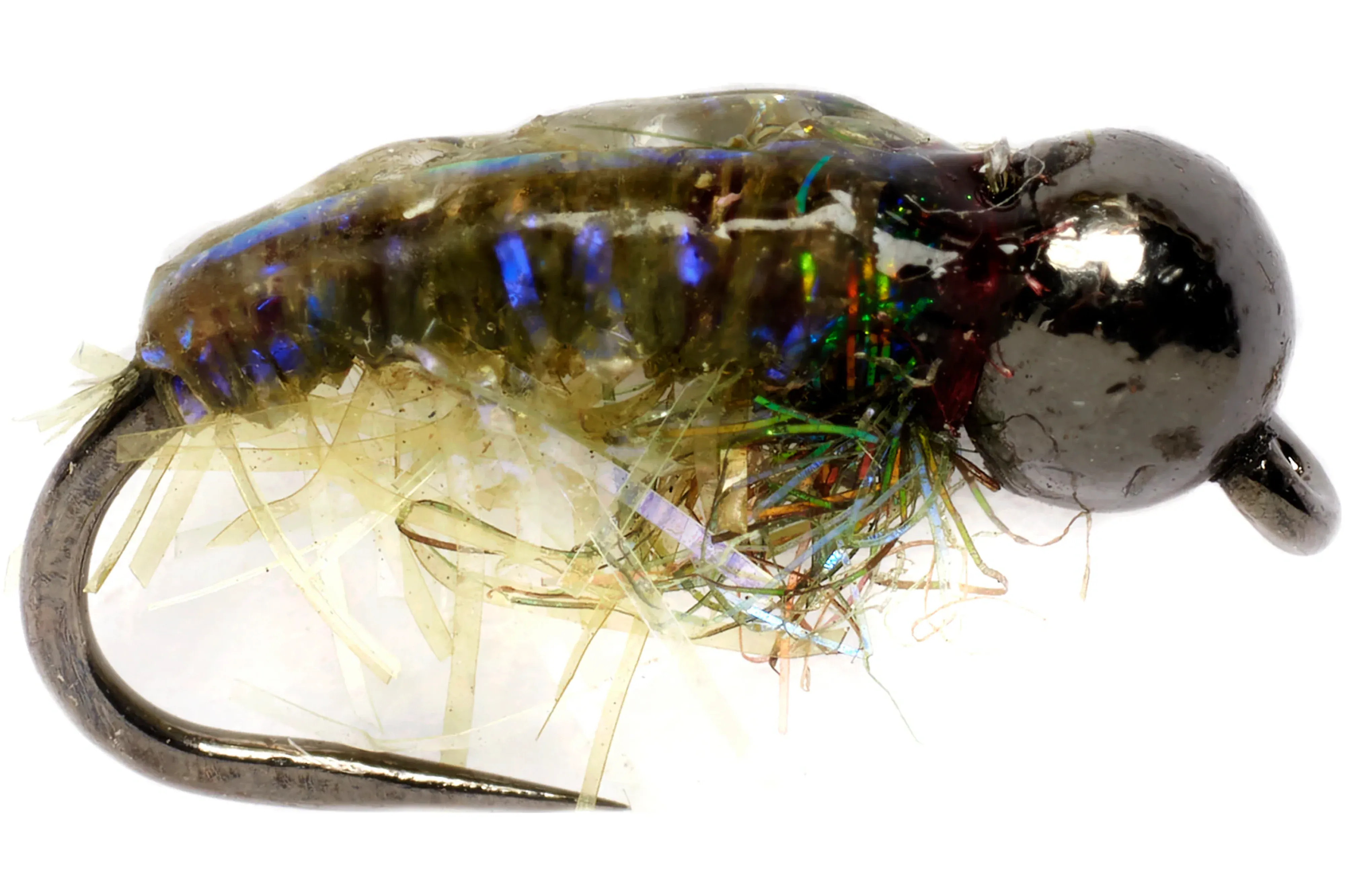
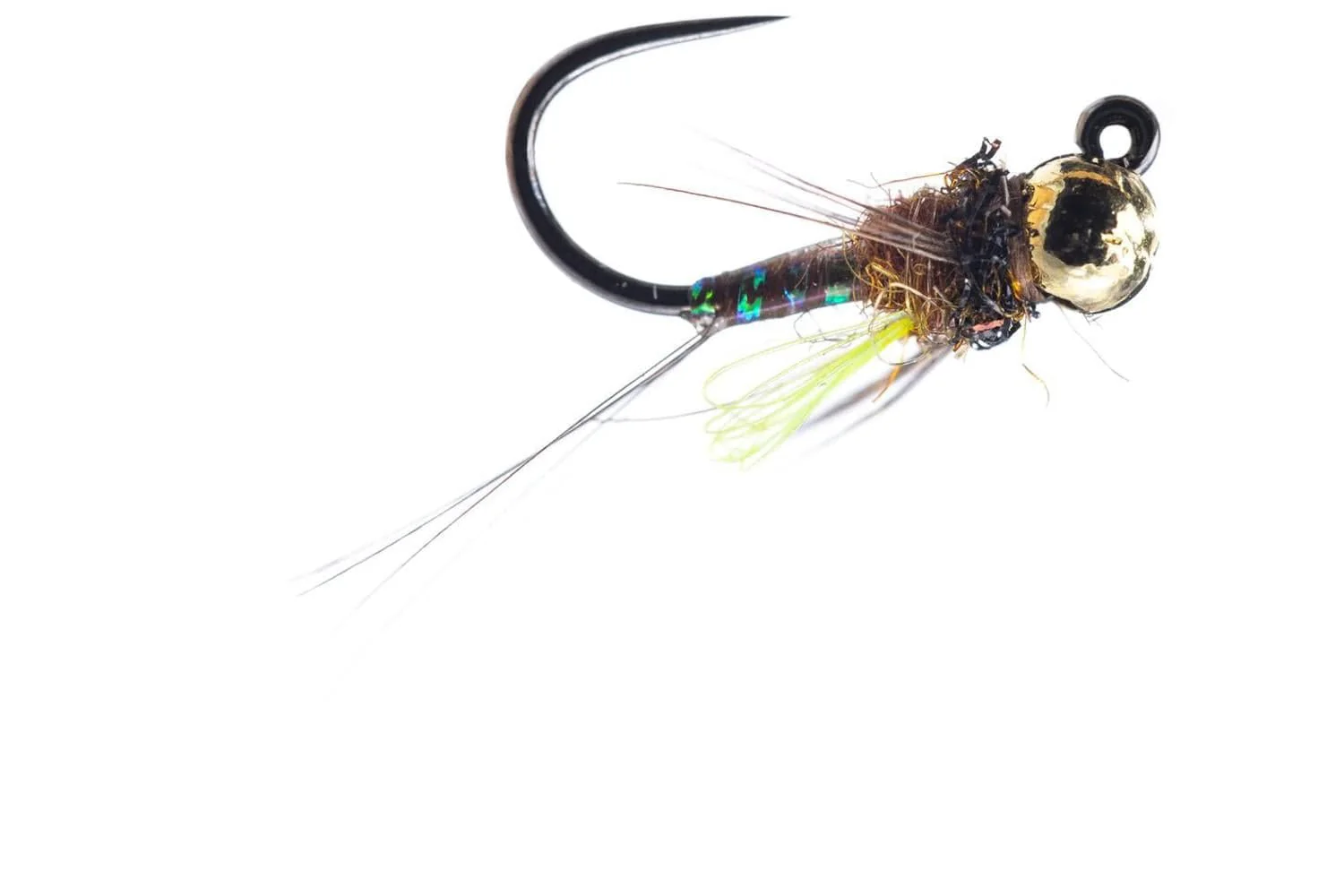
The Nymph-Head Heavy Metal Caddis Pupa Fly is a fast-sinking pattern designed to reach trout in deep water quickly. This fly imitates the pupal stage of the caddisfly as it ascends from the river bottom to the surface. It features a heavy tungsten bead that helps it cut through strong currents where big fish often hide. This pattern is a top choice for anglers who need to get their flies into the strike zone without adding extra split shot to their leader.
What It Imitates
This fly mimics a caddis pupa, which is the transitional stage between the larva and the adult fly. During a hatch, these pupae swim toward the surface to emerge as adults. The fly uses a realistic profile and specific colors to look like these insects as they drift in the current.
How To Use It
Fish this pattern deep using a standard indicator rig or a tight-line European nymphing setup. Because of its heavy tungsten bead, it works exceptionally well as the point fly (the bottom fly) in a two-fly rig. Cast it upstream into fast riffles or deep pools and let it drift near the bottom. At the end of the drift, let the fly swing upward in the current to mimic a swimming pupa rising to the surface.
When To Use It
Use this fly primarily when caddisflies are hatching, which can happen from spring through late fall. It is particularly useful in high water or swift currents where lighter flies might not sink fast enough. While it shines during a hatch, it also works as a searching pattern in deep runs when no surface activity is visible.
Why We Like It
We like this fly because it solves the problem of getting deep quickly. The Nymph-Head tungsten bead adds significant weight without ruining the profile of the fly. It is durable and tied with quality materials that hold up to repeated strikes. This pattern allows you to fish difficult pocket water and deep slots with confidence.
Comparisons
Nymph-Head Heavy Metal Caddis Pupa Fly vs Standard Bead Head Caddis Pupa
Nymph-Head Heavy Metal Caddis Pupa Fly vs Nymph-Head Heavy Metal Caddis Larva
Nymph-Head Heavy Metal Caddis Pupa Fly vs Gold Ribbed Hares Ear
Description
The Nymph-Head Heavy Metal Caddis Pupa Fly is a fast-sinking pattern designed to reach trout in deep water quickly. This fly imitates the pupal stage of the caddisfly as it ascends from the river bottom to the surface. It features a heavy tungsten bead that helps it cut through strong currents where big fish often hide. This pattern is a top choice for anglers who need to get their flies into the strike zone without adding extra split shot to their leader.
What It Imitates
This fly mimics a caddis pupa, which is the transitional stage between the larva and the adult fly. During a hatch, these pupae swim toward the surface to emerge as adults. The fly uses a realistic profile and specific colors to look like these insects as they drift in the current.
How To Use It
Fish this pattern deep using a standard indicator rig or a tight-line European nymphing setup. Because of its heavy tungsten bead, it works exceptionally well as the point fly (the bottom fly) in a two-fly rig. Cast it upstream into fast riffles or deep pools and let it drift near the bottom. At the end of the drift, let the fly swing upward in the current to mimic a swimming pupa rising to the surface.
When To Use It
Use this fly primarily when caddisflies are hatching, which can happen from spring through late fall. It is particularly useful in high water or swift currents where lighter flies might not sink fast enough. While it shines during a hatch, it also works as a searching pattern in deep runs when no surface activity is visible.
Why We Like It
We like this fly because it solves the problem of getting deep quickly. The Nymph-Head tungsten bead adds significant weight without ruining the profile of the fly. It is durable and tied with quality materials that hold up to repeated strikes. This pattern allows you to fish difficult pocket water and deep slots with confidence.
Comparisons
Nymph-Head Heavy Metal Caddis Pupa Fly vs Standard Bead Head Caddis Pupa
Nymph-Head Heavy Metal Caddis Pupa Fly vs Nymph-Head Heavy Metal Caddis Larva
Nymph-Head Heavy Metal Caddis Pupa Fly vs Gold Ribbed Hares Ear