
Original: $8.49
-65%$8.49
$2.97The Story
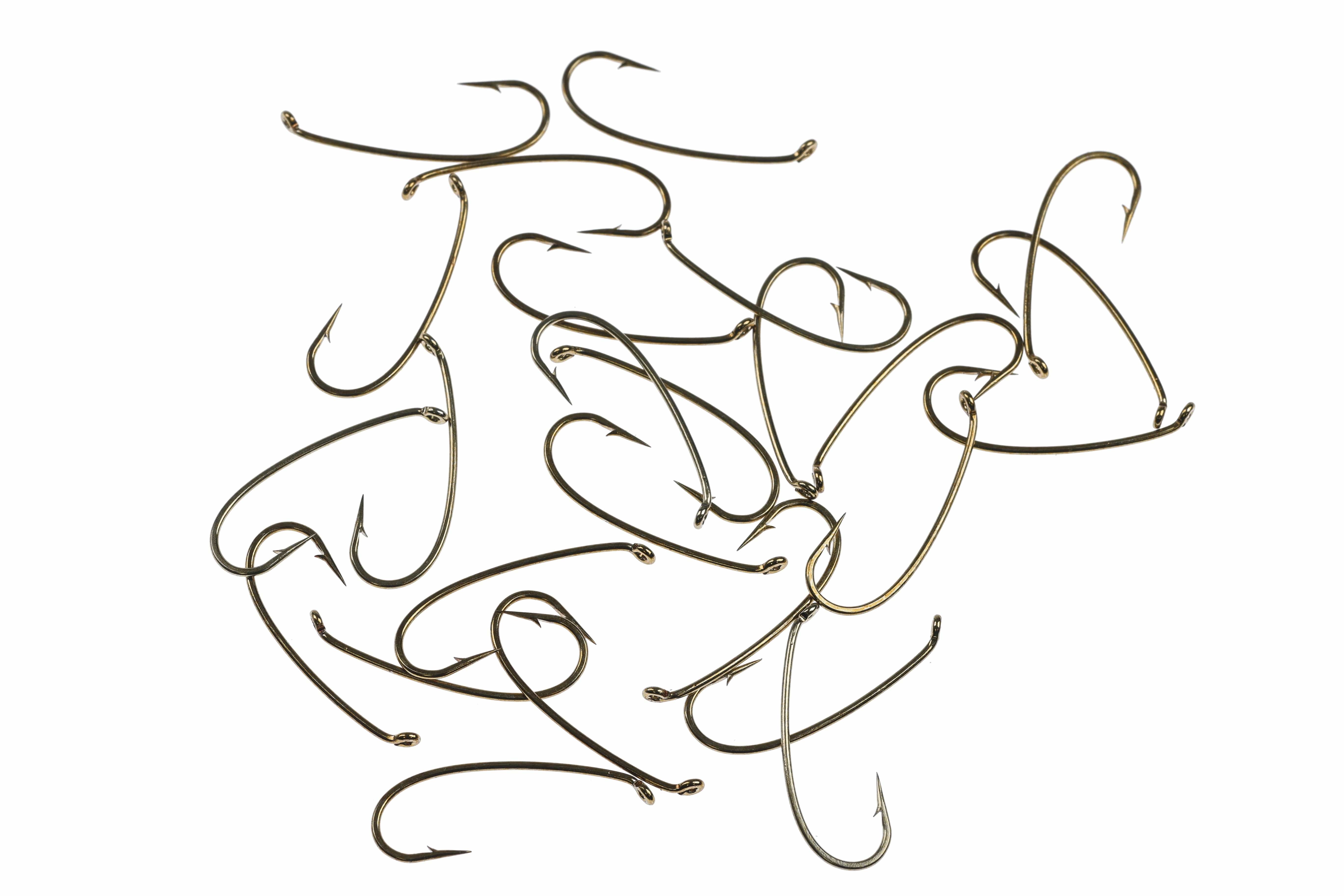
The Millhouse Tarpon Shrimp is a specialized pattern designed by legendary tarpon angler Andy Mill for targeting giant, wary silver kings in crystal clear water. When you are staring down a string of 100-pound fish that have seen every fly in the book, you need a pattern that lands softly and moves naturally without spooking them. This fly is that solution. It is tied on the incredibly strong Gamakatsu SL12s hook, giving you the confidence to pull hard when the fish of a lifetime eats.
What It Imitates
This pattern imitates a shrimp, a staple food source for tarpon of all sizes. It uses soft marabou materials to create a lifelike, breathing action in the water that mimics a swimming or fleeing shrimp. The profile is translucent and subtle, fooling fish that would refuse bulkier, more synthetic flies.
How To Use It
You should fish this fly with a stealthy approach. Cast well ahead of cruising tarpon to ensure the fly settles to their depth before they arrive. Once the fish is in range, use long, smooth strips to glide the fly across their path. If the fish follows but does not commit, try a few short, sharp ticks to pulse the marabou and trigger a reaction. Always be ready to strip set hard,never lift the rod tip,when you feel the line go tight.
When To Use It
This is your go-to fly for high-sun days and clear water conditions. It shines when tarpon are pressured, spooky, or rolling in slick calm water where a heavy splash would send them running. It is also an excellent choice for late-season fish that have become "robotic" and ignore standard baitfish patterns.
Why We Like It
We trust this fly because Andy Mill designed it, and his track record with massive tarpon speaks for itself. The Gamakatsu SL12s hook is a major advantage, as it stays sharp and does not bend out under extreme pressure. We also love how the marabou tail continues to move even when the fly is paused, keeping the fly "alive" in the water at all times.
Comparisons
Millhouse Tarpon Shrimp vs. Millhouse Tarpon Toad
The Millhouse Tarpon Shrimp offers a slimmer profile that sinks slightly faster and imitates a crustacean. The Tarpon Toad has a wider, flatter head that helps it suspend higher in the water column and pushes more water. Choose the Shrimp for clear water finesse fishing and the Toad when you need the fly to hover in front of a fish's face for a longer period.
Millhouse Tarpon Shrimp vs. Black Death
These two flies serve opposite purposes in your fly box. The Millhouse Tarpon Shrimp is a subtle, natural-colored pattern best for bright days and clear water. The Black Death is a high-contrast, dark pattern designed for low-light conditions, early mornings, or stained water where the fish need a strong silhouette to find the fly.
Millhouse Tarpon Shrimp vs. EP Spawning Shrimp
The EP Spawning Shrimp is tied with synthetic fibers, making it bulkier and more durable, but stiffer in the water. The Millhouse Tarpon Shrimp relies on natural marabou, which provides superior movement and "breathability" but is more delicate. We recommend the Millhouse version when you need maximum action with minimal stripping speed to fool the pickiest fish.

Details & Craftsmanship
Every detail has been carefully considered to bring you the perfect product.
Description
The Millhouse Tarpon Shrimp is a specialized pattern designed by legendary tarpon angler Andy Mill for targeting giant, wary silver kings in crystal clear water. When you are staring down a string of 100-pound fish that have seen every fly in the book, you need a pattern that lands softly and moves naturally without spooking them. This fly is that solution. It is tied on the incredibly strong Gamakatsu SL12s hook, giving you the confidence to pull hard when the fish of a lifetime eats.
What It Imitates
This pattern imitates a shrimp, a staple food source for tarpon of all sizes. It uses soft marabou materials to create a lifelike, breathing action in the water that mimics a swimming or fleeing shrimp. The profile is translucent and subtle, fooling fish that would refuse bulkier, more synthetic flies.
How To Use It
You should fish this fly with a stealthy approach. Cast well ahead of cruising tarpon to ensure the fly settles to their depth before they arrive. Once the fish is in range, use long, smooth strips to glide the fly across their path. If the fish follows but does not commit, try a few short, sharp ticks to pulse the marabou and trigger a reaction. Always be ready to strip set hard,never lift the rod tip,when you feel the line go tight.
When To Use It
This is your go-to fly for high-sun days and clear water conditions. It shines when tarpon are pressured, spooky, or rolling in slick calm water where a heavy splash would send them running. It is also an excellent choice for late-season fish that have become "robotic" and ignore standard baitfish patterns.
Why We Like It
We trust this fly because Andy Mill designed it, and his track record with massive tarpon speaks for itself. The Gamakatsu SL12s hook is a major advantage, as it stays sharp and does not bend out under extreme pressure. We also love how the marabou tail continues to move even when the fly is paused, keeping the fly "alive" in the water at all times.
Comparisons
Millhouse Tarpon Shrimp vs. Millhouse Tarpon Toad
The Millhouse Tarpon Shrimp offers a slimmer profile that sinks slightly faster and imitates a crustacean. The Tarpon Toad has a wider, flatter head that helps it suspend higher in the water column and pushes more water. Choose the Shrimp for clear water finesse fishing and the Toad when you need the fly to hover in front of a fish's face for a longer period.
Millhouse Tarpon Shrimp vs. Black Death
These two flies serve opposite purposes in your fly box. The Millhouse Tarpon Shrimp is a subtle, natural-colored pattern best for bright days and clear water. The Black Death is a high-contrast, dark pattern designed for low-light conditions, early mornings, or stained water where the fish need a strong silhouette to find the fly.
Millhouse Tarpon Shrimp vs. EP Spawning Shrimp
The EP Spawning Shrimp is tied with synthetic fibers, making it bulkier and more durable, but stiffer in the water. The Millhouse Tarpon Shrimp relies on natural marabou, which provides superior movement and "breathability" but is more delicate. We recommend the Millhouse version when you need maximum action with minimal stripping speed to fool the pickiest fish.