
The Story
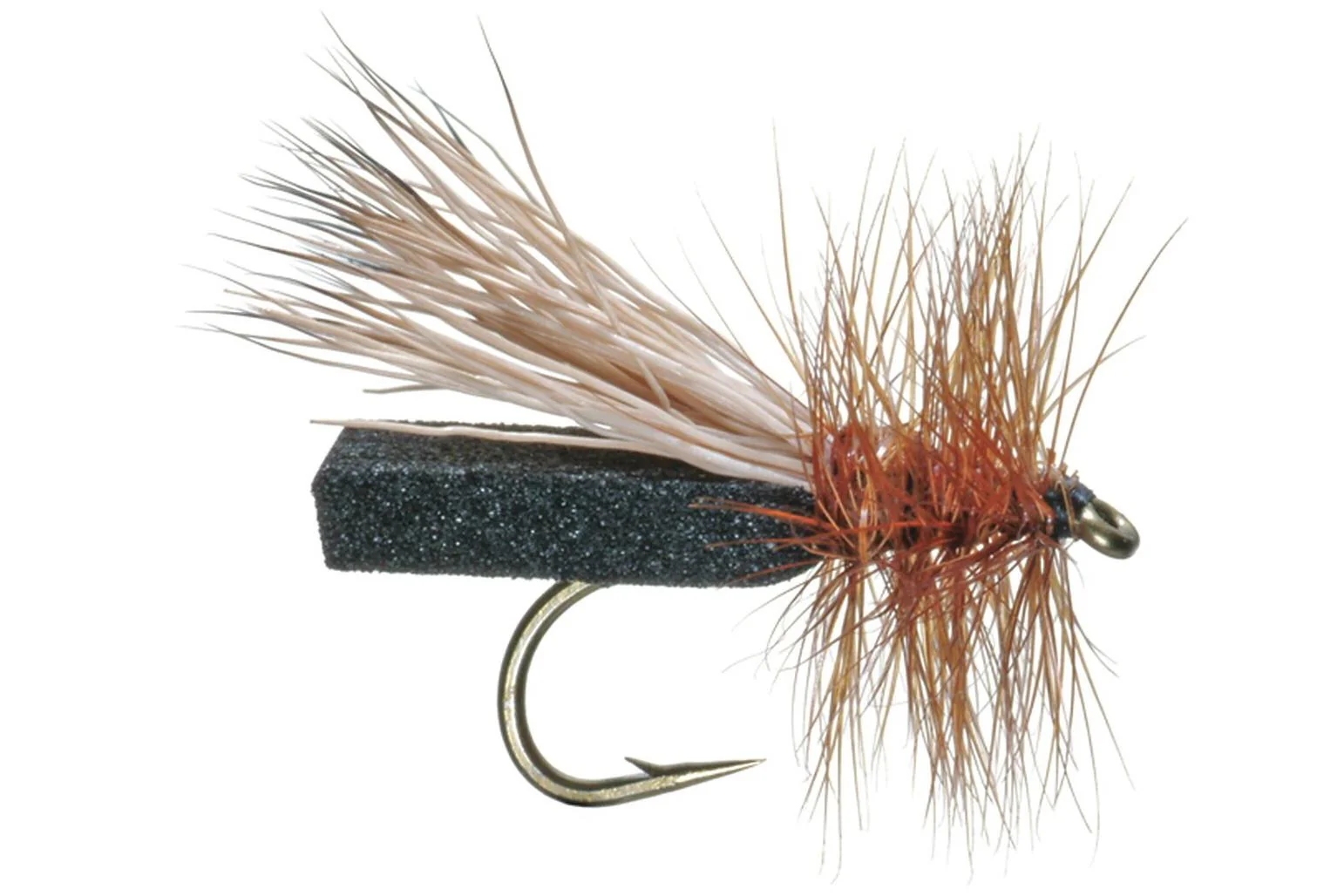
The Hex Paradrake Fly is a specialized dry fly designed to match the massive Hexagenia mayfly found in many trout waters. This pattern attracts trophy brown and rainbow trout that feed aggressively during the brief but intense Hex hatch. It belongs in your box if you plan to chase big fish during late evenings and nights in early summer.
What It Imitates
This fly imitates the Hexagenia limbata, also known as the Giant Michigan Mayfly. It replicates the large size, yellow-olive coloration, and distinct profile of the adult insect. The design captures the look of the drakes as they rest on the water surface.
How To Use It
Cast this fly upstream or across the current and allow it to drift naturally over silt beds and slow pools. Since most fishing with this pattern happens in low light, keep your line tight enough to set the hook when you hear a splash. It works best as a single dry fly on a stout leader capable of turning over its large bulk.
When To Use It
Use this pattern specifically during the Hexagenia hatch, which usually happens in June and July. It shines during the last hour of daylight and into the pitch black of night. This fly is necessary when the naturals are on the water and large trout are keying in on the specific size and shape of the Hex.
Why We Like It
The Paradrake design features a parachute post that keeps the fly visible to the angler while the body sits realistically in the surface film. This construction helps the fly land softly despite its large size. We appreciate how the extended body materials reduce weight compared to long-shank hooks.
Comparisons
Hex Paradrake Fly vs Foam Hex
The Foam Hex relies on closed-cell foam for superior buoyancy that keeps it floating all night. The Hex Paradrake uses a parachute design to sit lower in the film for a more realistic presentation. Choose the Foam Hex for turbulent water and the Paradrake for smooth, slow water where fish are picky.
Hex Paradrake Fly vs Roberts Drake
The Roberts Drake is tied with spun deer hair, making it very buoyant and durable. The Hex Paradrake offers a slimmer profile that looks more like the natural insect to wary trout. Select the Roberts Drake for fast water and the Paradrake for technical drifts in flat water.
Hex Paradrake Fly vs Great Lakes Hex
The Great Lakes Hex is a traditional pattern with standard hackle that rides high on its toes. The Hex Paradrake sits flush in the surface film due to its parachute construction. Use the Great Lakes Hex for choppy water and the Paradrake for flat, calm sections.
Description
The Hex Paradrake Fly is a specialized dry fly designed to match the massive Hexagenia mayfly found in many trout waters. This pattern attracts trophy brown and rainbow trout that feed aggressively during the brief but intense Hex hatch. It belongs in your box if you plan to chase big fish during late evenings and nights in early summer.
What It Imitates
This fly imitates the Hexagenia limbata, also known as the Giant Michigan Mayfly. It replicates the large size, yellow-olive coloration, and distinct profile of the adult insect. The design captures the look of the drakes as they rest on the water surface.
How To Use It
Cast this fly upstream or across the current and allow it to drift naturally over silt beds and slow pools. Since most fishing with this pattern happens in low light, keep your line tight enough to set the hook when you hear a splash. It works best as a single dry fly on a stout leader capable of turning over its large bulk.
When To Use It
Use this pattern specifically during the Hexagenia hatch, which usually happens in June and July. It shines during the last hour of daylight and into the pitch black of night. This fly is necessary when the naturals are on the water and large trout are keying in on the specific size and shape of the Hex.
Why We Like It
The Paradrake design features a parachute post that keeps the fly visible to the angler while the body sits realistically in the surface film. This construction helps the fly land softly despite its large size. We appreciate how the extended body materials reduce weight compared to long-shank hooks.
Comparisons
Hex Paradrake Fly vs Foam Hex
The Foam Hex relies on closed-cell foam for superior buoyancy that keeps it floating all night. The Hex Paradrake uses a parachute design to sit lower in the film for a more realistic presentation. Choose the Foam Hex for turbulent water and the Paradrake for smooth, slow water where fish are picky.
Hex Paradrake Fly vs Roberts Drake
The Roberts Drake is tied with spun deer hair, making it very buoyant and durable. The Hex Paradrake offers a slimmer profile that looks more like the natural insect to wary trout. Select the Roberts Drake for fast water and the Paradrake for technical drifts in flat water.
Hex Paradrake Fly vs Great Lakes Hex
The Great Lakes Hex is a traditional pattern with standard hackle that rides high on its toes. The Hex Paradrake sits flush in the surface film due to its parachute construction. Use the Great Lakes Hex for choppy water and the Paradrake for flat, calm sections.