
Original: $3,250.00
-65%$3,250.00
$1,137.50The Story
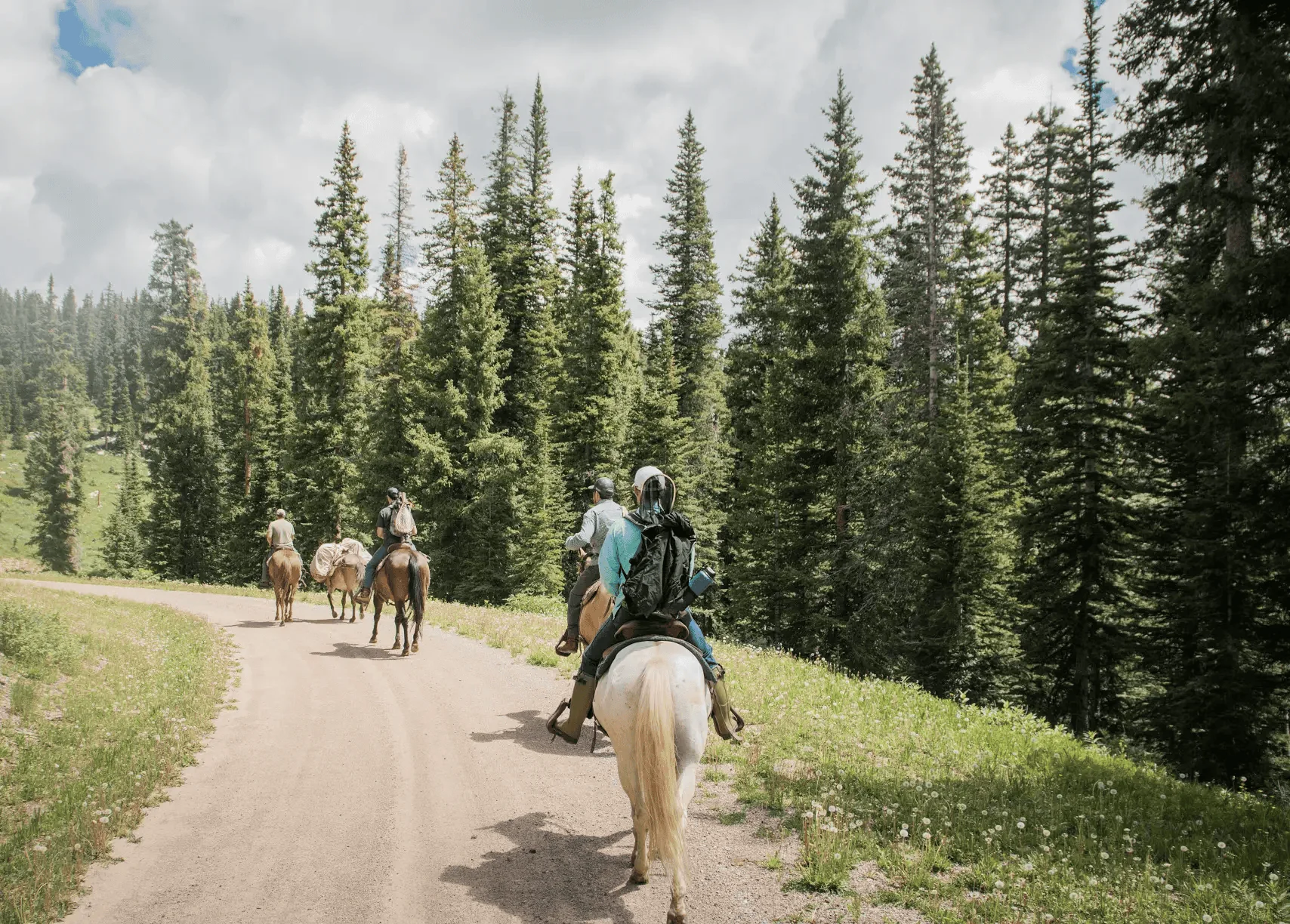
Heads Up Fly Fishing offers one of the most unique trout fishing adventures in Colorado, combining classic backcountry horsemanship with remote high-country fly fishing in the vast Weminuche Wilderness of the San Juan Mountains. Based out of Durango, anglers ride horseback deep into an alpine landscape of glacial lakes, meadow creeks, and rugged peaks that can only be accessed by horse or foot. From comfortable wilderness camps, guests spend their days exploring new water and targeting eager Colorado River Cutthroat Trout, along with Brook Trout, Brown Trout, and Rainbow Trout that thrive in these cold, high-elevation waters. With expert guides, well-trained horses, and thoughtfully prepared camp meals, these 3- and 5-day horseback fly fishing trips offer anglers a rare opportunity to experience Colorado’s largest wilderness area the way it was meant to be explored.
Who It’s For
-
Adventurous trout anglers
-
Anglers interested in native Colorado River Cutthroat Trout
-
Fishing-oriented couples or small groups
When To Go
The horseback fly fishing season in the Weminuche Wilderness runs from June through August, when high mountain trails and alpine waters are reliably accessible. Throughout the summer, anglers can expect consistent fishing in cold, clear lakes and creeks where trout feed opportunistically on attractor dry flies and standard nymph patterns. Weather in the high country can vary widely, with daytime temperatures often reaching the 70s or low 80s and cool mornings and evenings dipping into the 40s. Afternoon thunderstorms are common during Colorado’s July and August monsoon season, so anglers should plan to pack layers and rain gear to stay comfortable in changing mountain conditions.
Cutthroat Trout
The highlight of these trips is the opportunity to catch the San Juan lineage of Colorado River Cutthroat Trout, a native fish once thought extinct and now thriving in select high-elevation waters of the San Juan Mountains. These beautiful trout feature vibrant coloration and distinctive spotting patterns, and in alpine lakes they can grow surprisingly large, with fish over 20 inches occasionally encountered. Cutthroat are aggressive feeders during the short mountain summer and eagerly rise to attractor dry flies, ants, and small hopper patterns.
Brook Trout
Brook Trout are abundant throughout many of the alpine lakes and small creeks in the Weminuche Wilderness. These colorful fish thrive in cold, clear mountain water and are known for their willingness to rise to dry flies throughout the day. While many fish are modest in size, the vibrant colors and aggressive takes make Brook Trout a fun and reliable target during the trip.
Rainbow Trout
Rainbow Trout are found in select streams and lakes throughout the region and offer strong fights in the cold, oxygen-rich waters of the San Juan high country. These fish respond well to a variety of techniques, including attractor dry flies, nymphs, and small streamers, making them a welcome addition to the diverse trout fishing available on these trips.
Brown Trout
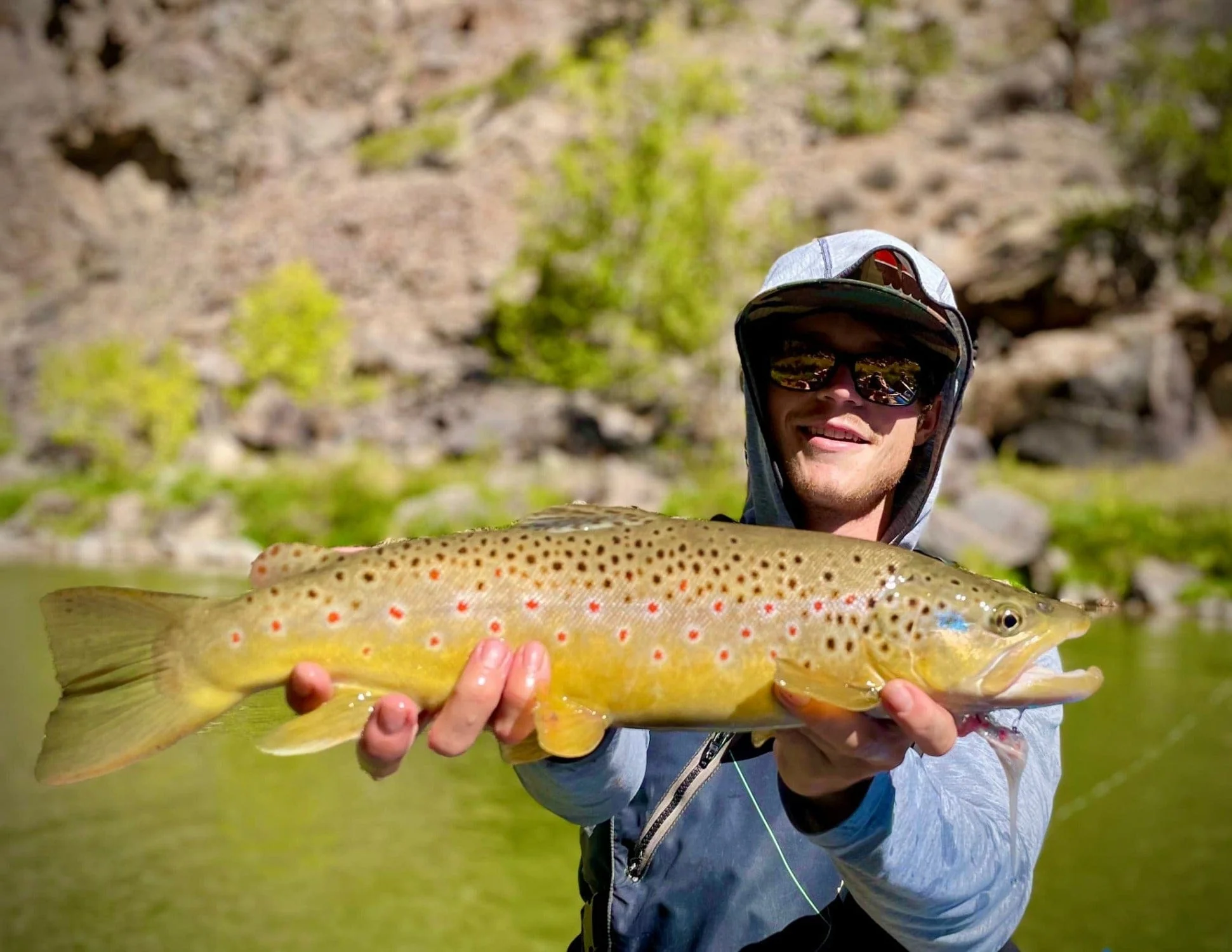
Wild Brown Trout inhabit some of the larger streams in the area and provide anglers with the chance to target slightly larger fish in moving water. Browns often hold along deeper runs and undercut banks, where they can be coaxed with nymphs or small streamers. Although they are less common than the alpine species, they add another exciting dimension to the fishing opportunities available during the trip.
Equipment
Fishing in the Weminuche Wilderness is well-suited to light trout tackle. For the alpine lakes, we recommend a 9' 5-weight rod paired with a floating line for casting attractor dry flies, terrestrials, and light nymph rigs. In the smaller creeks and meadow streams, a shorter rod such as a 7'6" to 8' 3-weight is ideal for making accurate casts in tighter quarters. Guests are welcome to bring their own gear, although Heads Up Fly Fishing can provide rods, reels, and basic tackle if needed. As always, we recommend following the packing and equipment lists provided by Trident and the outfitter to ensure you are properly prepared for a comfortable backcountry trip.
Itinerary

Day 1: From Home to Durango
Your adventure begins with a flight to Durango in southwestern Colorado. Most anglers arrive the day before their trip begins to ensure a smooth start the following morning. After arriving in town, check into your hotel, organize your gear, and enjoy dinner in Durango’s vibrant historic downtown. This comfortable night in town allows you to rest up before heading into the backcountry the next day.
Day 2 – 4: The Fishing Days
On the morning of your trip, your guide will meet you at your hotel in Durango around 9–10 AM before driving to the trailhead in the San Juan Mountains. After preparing the horses and packing gear, you’ll begin a scenic ride into the Weminuche Wilderness, typically reaching camp in the early afternoon. Once settled in, anglers often enjoy a few hours of fishing in nearby alpine lakes or creeks before returning to camp for appetizers and a hearty dinner.
The following day is a full day of fishing in some of Colorado’s most remote high-country waters. Depending on conditions and guest preferences, anglers may hike to nearby lakes or ride short distances on horseback to explore additional creeks and basins. Each evening, you’ll return to camp to relax, share stories from the day, and enjoy another excellent meal prepared by your guides.
On the final morning in camp, anglers can enjoy breakfast and a few more hours of fishing before breaking camp around midday. Horses will carry you back out of the wilderness to the trailhead, where your guide will return you to Durango later that afternoon.
Day 5: From Durango to Home
After returning from the mountains the previous afternoon, most guests spend one more comfortable night in Durango before traveling home the following morning. Depending on your flight schedule, you may have time to enjoy breakfast in town, explore Durango’s historic streets, or take in views of the surrounding San Juan Mountains before departing for the airport.
Lodging

Accommodations
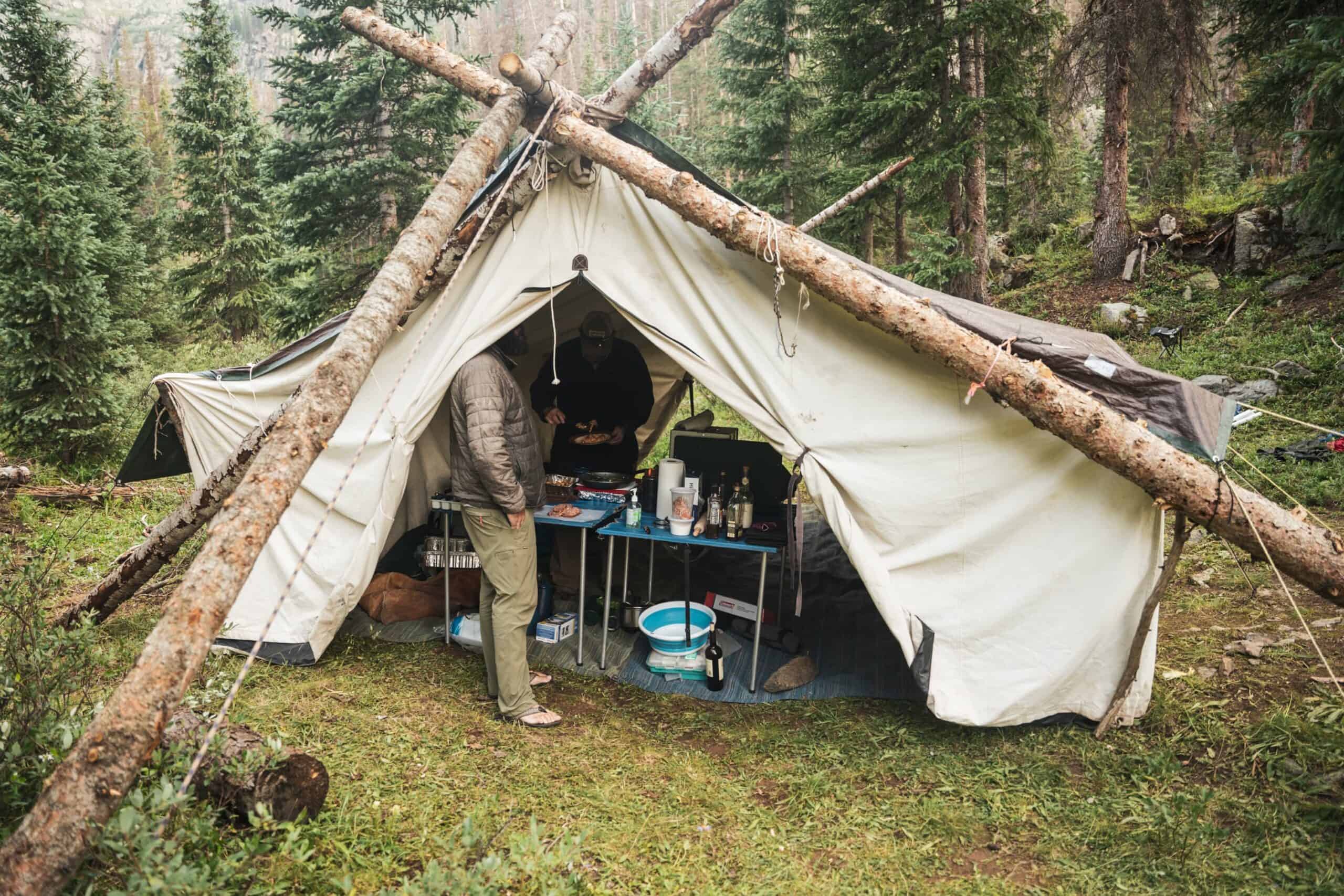
During your trip, anglers stay in comfortable backcountry camps set deep within the Weminuche Wilderness of Colorado’s San Juan Mountains. Established camps feature spacious wall tents that serve as the main cooking and gathering area, while guests typically sleep in either wall tents or smaller teepee-style tents depending on the camp location. These well-organized camps provide a comfortable and welcoming base after a full day of fishing, allowing anglers to relax, enjoy meals together, and take in the quiet beauty of the surrounding wilderness. Simple pit-style toilets are maintained at each camp, and while accommodations are rustic by nature, the thoughtful camp setup and attentive guides ensure a comfortable and memorable backcountry experience.
Food
Meals on these trips are thoughtfully prepared to keep anglers well fueled throughout their time in the backcountry. Food is prepared by a chef in Durango and carefully packed for transport into camp, where your guides handle meal preparation during the trip. Breakfasts typically include hot coffee and hearty options to start the day, while lunches are enjoyed on the water between fishing sessions. In the evenings, anglers gather back at camp for appetizers and a satisfying dinner after a full day of fishing. Guests consistently rave about the quality of the meals, which are designed to be both delicious and practical for a remote wilderness setting. Alcohol is not included, but guests are welcome to bring their own wine or spirits to enjoy around camp in the evenings.
Connectivity
This trip takes place deep in the backcountry of the Weminuche Wilderness, where there is no cell service or internet access. The lack of connectivity is part of the experience, allowing anglers to fully unplug and enjoy the quiet beauty of Colorado’s high country. For safety, your guides carry satellite communication devices that can be used in the event of an emergency.
Rates
Trident Travel’s expert planning service is free of charge. The rates below are the same as you would pay by booking directly with the outfitter.
Rates are subject to change at any time. Contact us for the most current pricing.
3-Day Trip = $3,250 Per Angler (2 guest minimum)
5-Day Trip = $5,000 Per Angler (2 guest minimum)
What's Included
-
Transportation between Durango and the trailhead
-
Guided fly fishing
-
Wrangler-assisted horseback travel
-
All meals in camp (breakfast, lunch, dinner, and appetizers)
-
Fishing equipment if needed
What's Not Included
-
Travel to and from Durango, Colorado (DRO)
-
Alcoholic beverages
-
Gratuities for guides and wranglers
FAQ

What species of trout can I catch on this trip?
Anglers fishing the high-country lakes and streams of the Weminuche Wilderness can encounter four species of trout: Colorado River Cutthroat Trout, Brook Trout, Brown TrWhat species of trout can I catch on this trip?
Anglers fishing the high-country lakes and streams of the Weminuche Wilderness can encounter four species of trout: Colorado River Cutthroat Trout, Brook Trout, Brown Trout, and Rainbow Trout. The highlight for many anglers is the San Juan lineage of Colorado River Cutthroat Trout, a native fish once thought extinct that now thrives in select waters of the San Juan Mountains. In alpine lakes, these cutthroat can grow surprisingly large, with fish over 20 inches occasionally caught.
What skill level is required for this trip?
This trip is suitable for anglers of all experience levels, from beginners to seasoned fly anglers. The guides provide instruction and fishing equipment if needed, making it a great option for anglers who are new to fly fishing. Experienced anglers will enjoy exploring remote alpine lakes and creeks that receive very little fishing pressure.
Do I need horseback riding experience?
No previous horseback riding experience is required. The horses and mules used on these trips are well-trained and accustomed to carrying guests into the backcountry. Experienced wranglers accompany every trip and help guests become comfortable with riding before heading into the wilderness.
How physically demanding is this trip?
This trip involves moderate physical activity. Guests will ride horses into the backcountry and typically hike short distances to reach alpine lakes or streams. The horseback ride into camp generally takes between 1.5 and 3 hours. Anglers should be comfortable spending full days outdoors at elevations typical of the Colorado high country.
When is the best time for horseback fly fishing in the Weminuche Wilderness?
The primary season runs from June through August when the high mountain trails and lakes are accessible. Fishing remains consistent throughout the summer, as trout in these high-elevation waters feed opportunistically on attractor dry flies, terrestrials, and nymphs. July and August can bring afternoon thunderstorms as part of Colorado’s monsoon season, so anglers should pack appropriate rain gear.
What fly rods and tackle should I bring?
A 9-foot 5-weight rod with a floating line is ideal for fishing alpine lakes, where anglers often target rising trout with attractor dry flies and terrestrials. For smaller creeks and meadow streams, a shorter rod such as a 7.5-foot 3-weight is perfect for accurate presentations in tight quarters. Fishing equipment can also be provided by the outfitter if needed.
What are the camps like?
Anglers stay in established backcountry camps located deep within the wilderness. Camps feature wall tents used for cooking and gathering, while guests typically sleep in wall tents or smaller teepee-style tents depending on the location. Each camp includes a designated pit-style toilet and comfortable areas for relaxing after a day of fishing.
Is there cell service or internet access?
No. The trip takes place deep in the wilderness where there is no cell service or internet connectivity. This provides an opportunity to fully disconnect and enjoy the remote setting. Guides carry satellite communication devices for emergency situations.
How many anglers are on each trip?
Trips are intentionally kept small to preserve the wilderness experience. Groups are limited to a maximum of eight anglers, with a guide-to-angler ratio of no more than three anglers per guide.
What is the weight limit for horseback riding?
For the safety of both guests and horses, the maximum rider weight is approximately 275 pounds. Guests should provide their weight at the time of booking so the appropriate horses can be assigned.
What is the weather like in the Colorado high country?
The weather in the San Juan Mountains can vary widely. Daytime temperatures often range from the 60s to 80s during the summer months, while mornings and evenings can dip into the 40s. Anglers should pack layers and rain gear to stay comfortable in changing mountain conditions.
What happens if I’m injured during the trip, and should I purchase travel insurance?
Medical emergencies and evacuations can happen in remote destinations, which is why we strongly recommend enrolling with Global Rescue before your trip. Global Rescue provides industry-leading medical and security evacuation services, and they also offer comprehensive travel insurance plans serviced through IMG. This all-in-one solution allows anglers to secure both emergency evacuation coverage and travel insurance through a single provider, helping ensure you’re protected if something unexpected occurs before or during your trip.


Details & Craftsmanship
Every detail has been carefully considered to bring you the perfect product.

Details & Craftsmanship
Every detail has been carefully considered to bring you the perfect product.

Details & Craftsmanship
Every detail has been carefully considered to bring you the perfect product.

Details & Craftsmanship
Every detail has been carefully considered to bring you the perfect product.

Details & Craftsmanship
Every detail has been carefully considered to bring you the perfect product.

Details & Craftsmanship
Every detail has been carefully considered to bring you the perfect product.

Details & Craftsmanship
Every detail has been carefully considered to bring you the perfect product.

Details & Craftsmanship
Every detail has been carefully considered to bring you the perfect product.
Details & Craftsmanship
Every detail has been carefully considered to bring you the perfect product.

Details & Craftsmanship
Every detail has been carefully considered to bring you the perfect product.

Details & Craftsmanship
Every detail has been carefully considered to bring you the perfect product.

Details & Craftsmanship
Every detail has been carefully considered to bring you the perfect product.

Details & Craftsmanship
Every detail has been carefully considered to bring you the perfect product.

Details & Craftsmanship
Every detail has been carefully considered to bring you the perfect product.

Details & Craftsmanship
Every detail has been carefully considered to bring you the perfect product.

Details & Craftsmanship
Every detail has been carefully considered to bring you the perfect product.

Details & Craftsmanship
Every detail has been carefully considered to bring you the perfect product.

Details & Craftsmanship
Every detail has been carefully considered to bring you the perfect product.

Details & Craftsmanship
Every detail has been carefully considered to bring you the perfect product.
Details & Craftsmanship
Every detail has been carefully considered to bring you the perfect product.

Details & Craftsmanship
Every detail has been carefully considered to bring you the perfect product.
Description
Heads Up Fly Fishing offers one of the most unique trout fishing adventures in Colorado, combining classic backcountry horsemanship with remote high-country fly fishing in the vast Weminuche Wilderness of the San Juan Mountains. Based out of Durango, anglers ride horseback deep into an alpine landscape of glacial lakes, meadow creeks, and rugged peaks that can only be accessed by horse or foot. From comfortable wilderness camps, guests spend their days exploring new water and targeting eager Colorado River Cutthroat Trout, along with Brook Trout, Brown Trout, and Rainbow Trout that thrive in these cold, high-elevation waters. With expert guides, well-trained horses, and thoughtfully prepared camp meals, these 3- and 5-day horseback fly fishing trips offer anglers a rare opportunity to experience Colorado’s largest wilderness area the way it was meant to be explored.
Who It’s For
-
Adventurous trout anglers
-
Anglers interested in native Colorado River Cutthroat Trout
-
Fishing-oriented couples or small groups
When To Go
The horseback fly fishing season in the Weminuche Wilderness runs from June through August, when high mountain trails and alpine waters are reliably accessible. Throughout the summer, anglers can expect consistent fishing in cold, clear lakes and creeks where trout feed opportunistically on attractor dry flies and standard nymph patterns. Weather in the high country can vary widely, with daytime temperatures often reaching the 70s or low 80s and cool mornings and evenings dipping into the 40s. Afternoon thunderstorms are common during Colorado’s July and August monsoon season, so anglers should plan to pack layers and rain gear to stay comfortable in changing mountain conditions.
Cutthroat Trout
The highlight of these trips is the opportunity to catch the San Juan lineage of Colorado River Cutthroat Trout, a native fish once thought extinct and now thriving in select high-elevation waters of the San Juan Mountains. These beautiful trout feature vibrant coloration and distinctive spotting patterns, and in alpine lakes they can grow surprisingly large, with fish over 20 inches occasionally encountered. Cutthroat are aggressive feeders during the short mountain summer and eagerly rise to attractor dry flies, ants, and small hopper patterns.
Brook Trout
Brook Trout are abundant throughout many of the alpine lakes and small creeks in the Weminuche Wilderness. These colorful fish thrive in cold, clear mountain water and are known for their willingness to rise to dry flies throughout the day. While many fish are modest in size, the vibrant colors and aggressive takes make Brook Trout a fun and reliable target during the trip.
Rainbow Trout
Rainbow Trout are found in select streams and lakes throughout the region and offer strong fights in the cold, oxygen-rich waters of the San Juan high country. These fish respond well to a variety of techniques, including attractor dry flies, nymphs, and small streamers, making them a welcome addition to the diverse trout fishing available on these trips.
Brown Trout
Wild Brown Trout inhabit some of the larger streams in the area and provide anglers with the chance to target slightly larger fish in moving water. Browns often hold along deeper runs and undercut banks, where they can be coaxed with nymphs or small streamers. Although they are less common than the alpine species, they add another exciting dimension to the fishing opportunities available during the trip.
Equipment
Fishing in the Weminuche Wilderness is well-suited to light trout tackle. For the alpine lakes, we recommend a 9' 5-weight rod paired with a floating line for casting attractor dry flies, terrestrials, and light nymph rigs. In the smaller creeks and meadow streams, a shorter rod such as a 7'6" to 8' 3-weight is ideal for making accurate casts in tighter quarters. Guests are welcome to bring their own gear, although Heads Up Fly Fishing can provide rods, reels, and basic tackle if needed. As always, we recommend following the packing and equipment lists provided by Trident and the outfitter to ensure you are properly prepared for a comfortable backcountry trip.
Itinerary
Day 1: From Home to Durango
Your adventure begins with a flight to Durango in southwestern Colorado. Most anglers arrive the day before their trip begins to ensure a smooth start the following morning. After arriving in town, check into your hotel, organize your gear, and enjoy dinner in Durango’s vibrant historic downtown. This comfortable night in town allows you to rest up before heading into the backcountry the next day.
Day 2 – 4: The Fishing Days
On the morning of your trip, your guide will meet you at your hotel in Durango around 9–10 AM before driving to the trailhead in the San Juan Mountains. After preparing the horses and packing gear, you’ll begin a scenic ride into the Weminuche Wilderness, typically reaching camp in the early afternoon. Once settled in, anglers often enjoy a few hours of fishing in nearby alpine lakes or creeks before returning to camp for appetizers and a hearty dinner.
The following day is a full day of fishing in some of Colorado’s most remote high-country waters. Depending on conditions and guest preferences, anglers may hike to nearby lakes or ride short distances on horseback to explore additional creeks and basins. Each evening, you’ll return to camp to relax, share stories from the day, and enjoy another excellent meal prepared by your guides.
On the final morning in camp, anglers can enjoy breakfast and a few more hours of fishing before breaking camp around midday. Horses will carry you back out of the wilderness to the trailhead, where your guide will return you to Durango later that afternoon.
Day 5: From Durango to Home
After returning from the mountains the previous afternoon, most guests spend one more comfortable night in Durango before traveling home the following morning. Depending on your flight schedule, you may have time to enjoy breakfast in town, explore Durango’s historic streets, or take in views of the surrounding San Juan Mountains before departing for the airport.
Lodging
Accommodations
During your trip, anglers stay in comfortable backcountry camps set deep within the Weminuche Wilderness of Colorado’s San Juan Mountains. Established camps feature spacious wall tents that serve as the main cooking and gathering area, while guests typically sleep in either wall tents or smaller teepee-style tents depending on the camp location. These well-organized camps provide a comfortable and welcoming base after a full day of fishing, allowing anglers to relax, enjoy meals together, and take in the quiet beauty of the surrounding wilderness. Simple pit-style toilets are maintained at each camp, and while accommodations are rustic by nature, the thoughtful camp setup and attentive guides ensure a comfortable and memorable backcountry experience.
Food
Meals on these trips are thoughtfully prepared to keep anglers well fueled throughout their time in the backcountry. Food is prepared by a chef in Durango and carefully packed for transport into camp, where your guides handle meal preparation during the trip. Breakfasts typically include hot coffee and hearty options to start the day, while lunches are enjoyed on the water between fishing sessions. In the evenings, anglers gather back at camp for appetizers and a satisfying dinner after a full day of fishing. Guests consistently rave about the quality of the meals, which are designed to be both delicious and practical for a remote wilderness setting. Alcohol is not included, but guests are welcome to bring their own wine or spirits to enjoy around camp in the evenings.
Connectivity
This trip takes place deep in the backcountry of the Weminuche Wilderness, where there is no cell service or internet access. The lack of connectivity is part of the experience, allowing anglers to fully unplug and enjoy the quiet beauty of Colorado’s high country. For safety, your guides carry satellite communication devices that can be used in the event of an emergency.
Rates
Trident Travel’s expert planning service is free of charge. The rates below are the same as you would pay by booking directly with the outfitter.
Rates are subject to change at any time. Contact us for the most current pricing.
3-Day Trip = $3,250 Per Angler (2 guest minimum)
5-Day Trip = $5,000 Per Angler (2 guest minimum)
What's Included
-
Transportation between Durango and the trailhead
-
Guided fly fishing
-
Wrangler-assisted horseback travel
-
All meals in camp (breakfast, lunch, dinner, and appetizers)
-
Fishing equipment if needed
What's Not Included
-
Travel to and from Durango, Colorado (DRO)
-
Alcoholic beverages
-
Gratuities for guides and wranglers
FAQ
What species of trout can I catch on this trip?
Anglers fishing the high-country lakes and streams of the Weminuche Wilderness can encounter four species of trout: Colorado River Cutthroat Trout, Brook Trout, Brown TrWhat species of trout can I catch on this trip?
Anglers fishing the high-country lakes and streams of the Weminuche Wilderness can encounter four species of trout: Colorado River Cutthroat Trout, Brook Trout, Brown Trout, and Rainbow Trout. The highlight for many anglers is the San Juan lineage of Colorado River Cutthroat Trout, a native fish once thought extinct that now thrives in select waters of the San Juan Mountains. In alpine lakes, these cutthroat can grow surprisingly large, with fish over 20 inches occasionally caught.
What skill level is required for this trip?
This trip is suitable for anglers of all experience levels, from beginners to seasoned fly anglers. The guides provide instruction and fishing equipment if needed, making it a great option for anglers who are new to fly fishing. Experienced anglers will enjoy exploring remote alpine lakes and creeks that receive very little fishing pressure.
Do I need horseback riding experience?
No previous horseback riding experience is required. The horses and mules used on these trips are well-trained and accustomed to carrying guests into the backcountry. Experienced wranglers accompany every trip and help guests become comfortable with riding before heading into the wilderness.
How physically demanding is this trip?
This trip involves moderate physical activity. Guests will ride horses into the backcountry and typically hike short distances to reach alpine lakes or streams. The horseback ride into camp generally takes between 1.5 and 3 hours. Anglers should be comfortable spending full days outdoors at elevations typical of the Colorado high country.
When is the best time for horseback fly fishing in the Weminuche Wilderness?
The primary season runs from June through August when the high mountain trails and lakes are accessible. Fishing remains consistent throughout the summer, as trout in these high-elevation waters feed opportunistically on attractor dry flies, terrestrials, and nymphs. July and August can bring afternoon thunderstorms as part of Colorado’s monsoon season, so anglers should pack appropriate rain gear.
What fly rods and tackle should I bring?
A 9-foot 5-weight rod with a floating line is ideal for fishing alpine lakes, where anglers often target rising trout with attractor dry flies and terrestrials. For smaller creeks and meadow streams, a shorter rod such as a 7.5-foot 3-weight is perfect for accurate presentations in tight quarters. Fishing equipment can also be provided by the outfitter if needed.
What are the camps like?
Anglers stay in established backcountry camps located deep within the wilderness. Camps feature wall tents used for cooking and gathering, while guests typically sleep in wall tents or smaller teepee-style tents depending on the location. Each camp includes a designated pit-style toilet and comfortable areas for relaxing after a day of fishing.
Is there cell service or internet access?
No. The trip takes place deep in the wilderness where there is no cell service or internet connectivity. This provides an opportunity to fully disconnect and enjoy the remote setting. Guides carry satellite communication devices for emergency situations.
How many anglers are on each trip?
Trips are intentionally kept small to preserve the wilderness experience. Groups are limited to a maximum of eight anglers, with a guide-to-angler ratio of no more than three anglers per guide.
What is the weight limit for horseback riding?
For the safety of both guests and horses, the maximum rider weight is approximately 275 pounds. Guests should provide their weight at the time of booking so the appropriate horses can be assigned.
What is the weather like in the Colorado high country?
The weather in the San Juan Mountains can vary widely. Daytime temperatures often range from the 60s to 80s during the summer months, while mornings and evenings can dip into the 40s. Anglers should pack layers and rain gear to stay comfortable in changing mountain conditions.
What happens if I’m injured during the trip, and should I purchase travel insurance?
Medical emergencies and evacuations can happen in remote destinations, which is why we strongly recommend enrolling with Global Rescue before your trip. Global Rescue provides industry-leading medical and security evacuation services, and they also offer comprehensive travel insurance plans serviced through IMG. This all-in-one solution allows anglers to secure both emergency evacuation coverage and travel insurance through a single provider, helping ensure you’re protected if something unexpected occurs before or during your trip.