
Original: $3.99
-65%$3.99
$1.40The Story
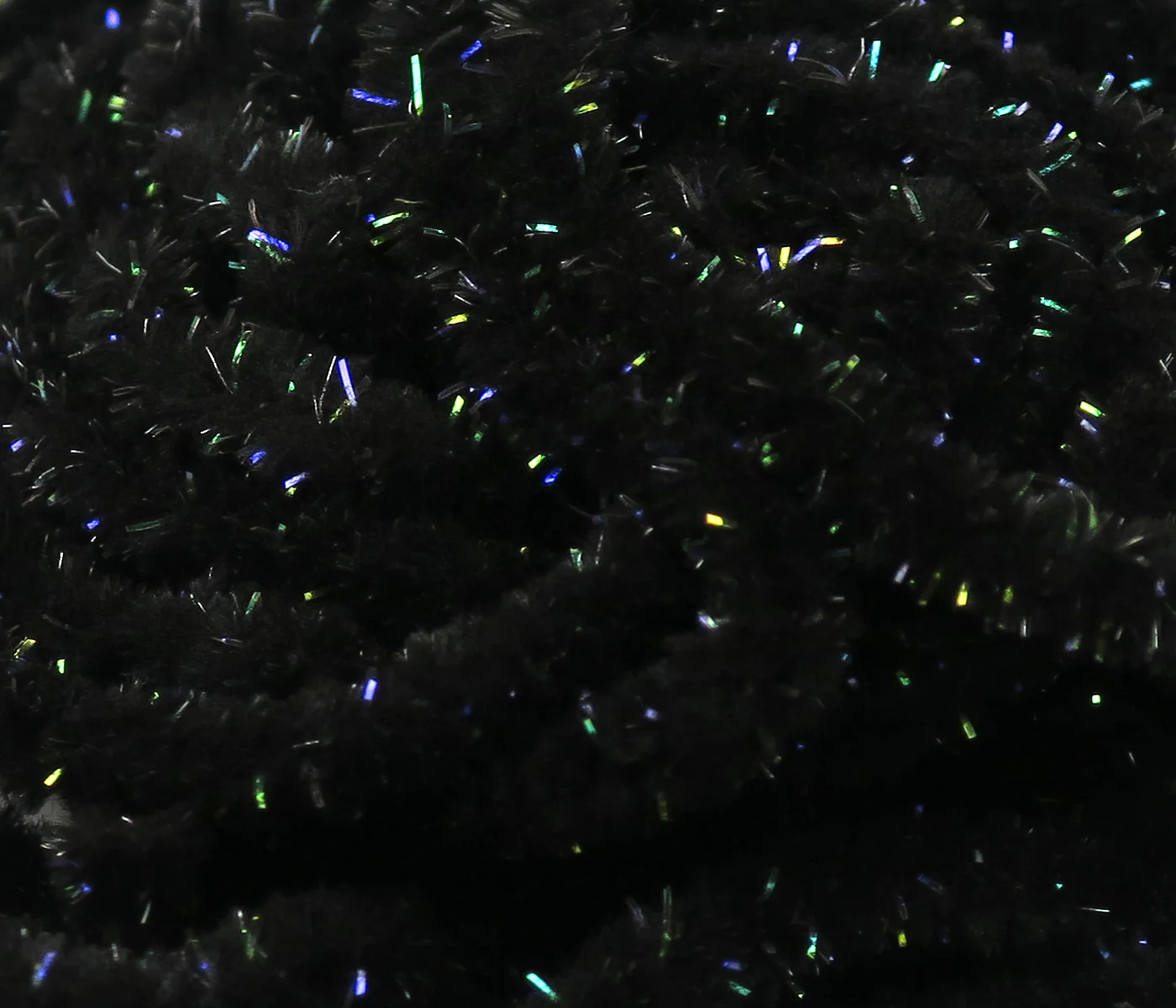
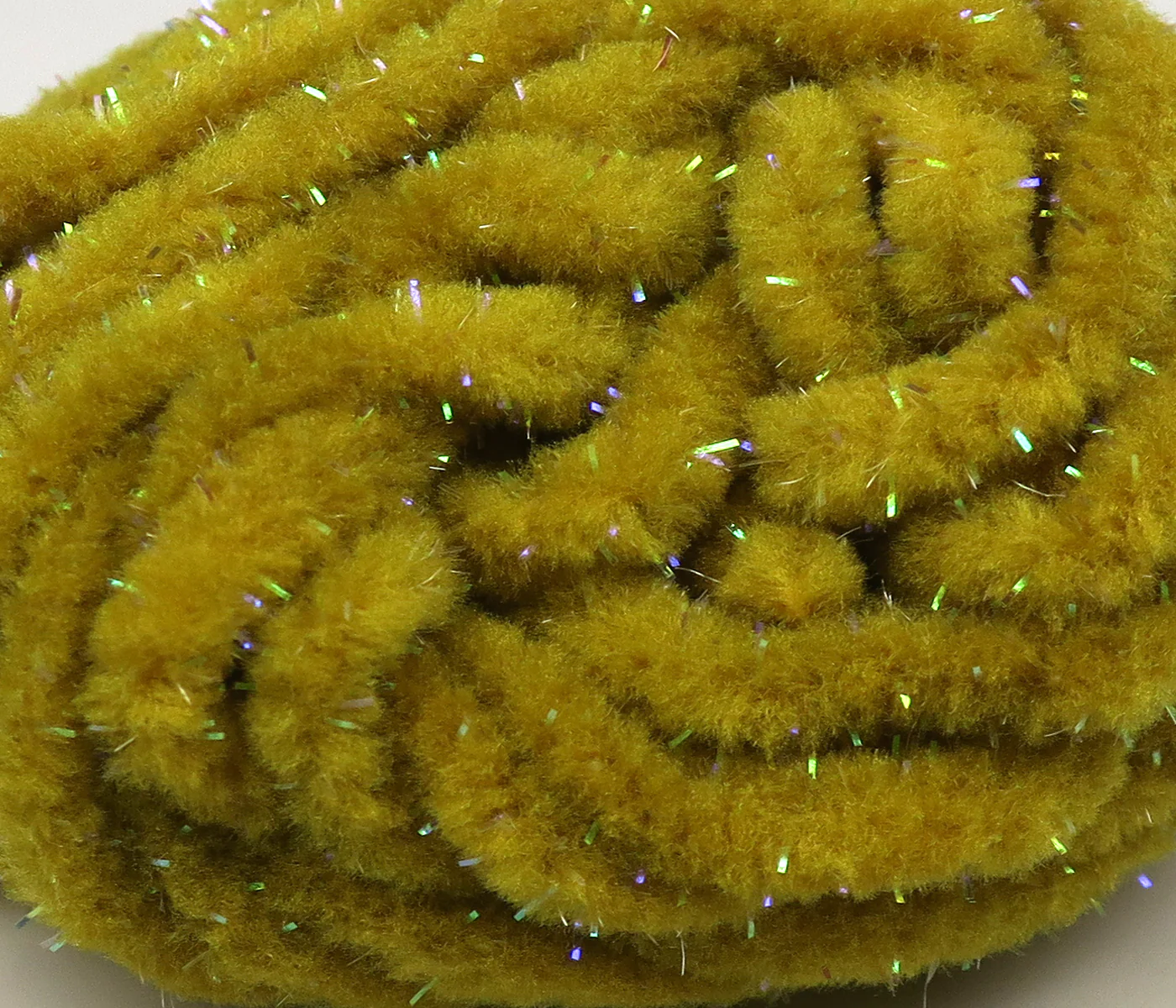
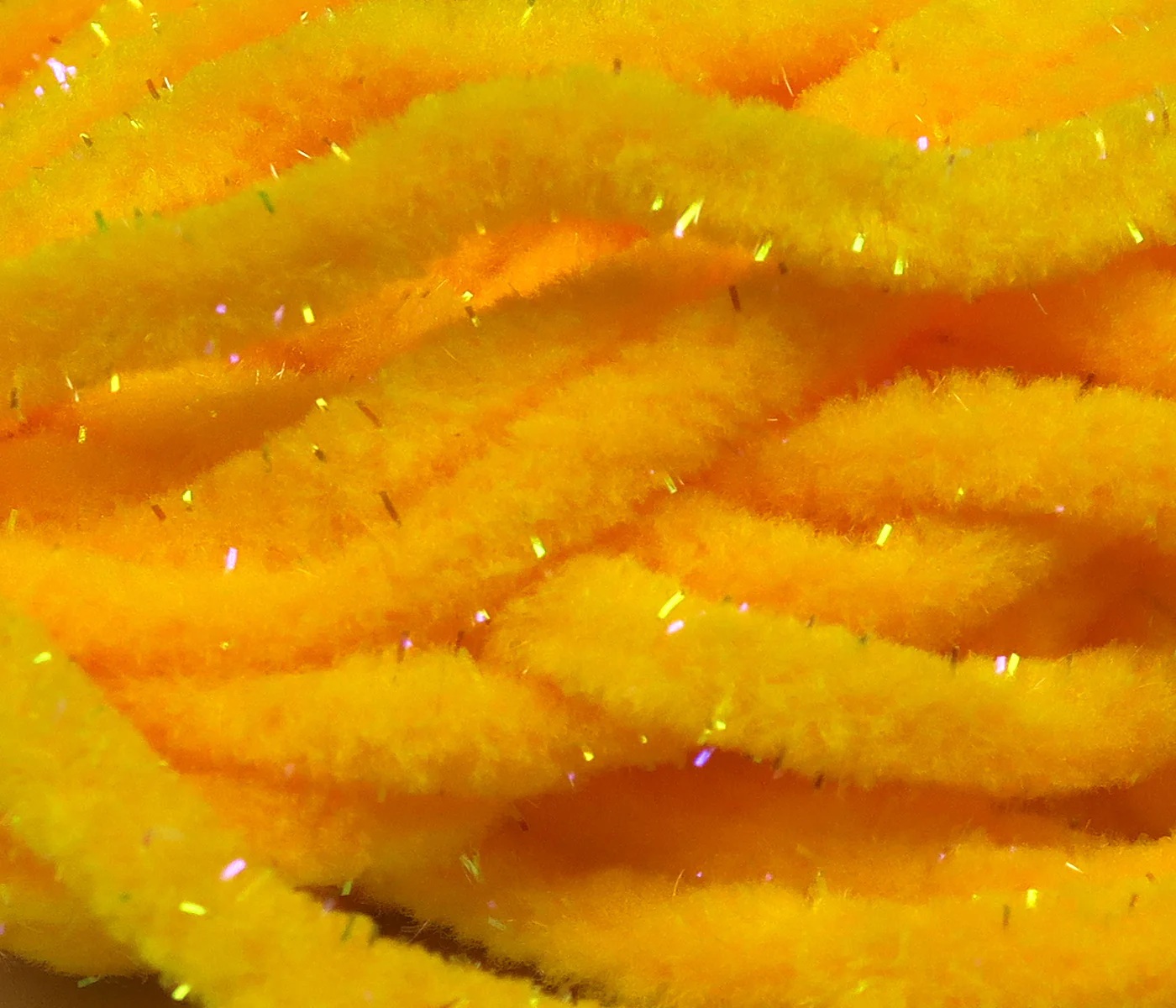
Hareline UV Galaxy Mop Chenille is a thick, plush chenille material made of dense microfiber strands that resemble the fuzzy nubs of a mini mop. The texture is soft and velvety, with a shaggy, worm-like appearance that imitates grubs or larvae. Each strand is about 5 mm in diameter and comes on a 4-yard card. Interwoven into the chenille fibers are flecks of colored mylar tinsel, giving it a subtle sparkle or galaxy flash effect. This adds just a hint of shine without overwhelming the fly, enhancing the material's visual appeal in the water.
This chenille's unique construction and materials set it apart. It is built on a strong core that will not fray when cut, eliminating the unraveling issues common with ordinary mop pieces. You can taper or seal the end with a flameÑwhen gently burned, the tip melts into a neat point or ball, creating the perfect grub-shaped tail and preventing any fraying. All colors of UV Galaxy Mop Chenille are UV fluorescent, meaning they glow under ultraviolet light for added fish visibility underwater. The material is available in a wide range of vibrant colors (over 20, from natural tans and olives to fluorescent chartreuse, pink, etc.), including mottled two-tone options that have black barring for an extra buggy look. These features make UV Galaxy Mop Chenille a premium mop fly materialÑessentially a purpose-made version of the infamous mop strands, but with more flash, color options, and durability built in.
Example Flies
- Beadhead Mop Fly (Grub): Popular fly for trout, bluegill, bass, and carp.
- Mop Chenille Crappie Jig: Effective jig-style pattern for crappie, perch, and bluegill.
- Mop Stonefly/Caddis Nymph: Ideal larger nymph imitation for trout and steelhead.
- Carp Mop Fly (Drag and Drop): Effective for carp, imitating worms or larvae.
- Steelhead/Salmon Mop Egg: Bright mop-style egg pattern effective for steelhead and salmon in rivers.
Why We Like it
Hareline's UV Galaxy Mop Chenille has become popular because it checks all the boxes for an effective fly tying material. Key reasons it's considered an excellent choice are:
- High Visibility: The chenille comes in bright, fluorescent colors (all of which fluoresce under UV light) and has shiny mylar filaments integrated into the fluff.
- Lifelike Movement: The thick, fluffy mop fibers wiggle and pulse when wet, giving the fly a very lifelike motion.
- Durability: Galaxy Mop Chenille is built to be tough and long-lasting. The fibers are synthetic and tightly bound, so they won't easily tear or unravel after bites.
- Easy to Use: This material is very beginner-friendly and quick to tie. Because a single piece of chenille essentially forms the body of the fly, mop flies require minimal steps and materials.
- Versatile: UV Galaxy Mop Chenille isn't limited to one trickÑit's a multi-species, multi-pattern material. It's effective on trout, bass, panfish, carp, and even steelhead or salmon patterns.
Comparisons
UV Galaxy Mop Chenille was developed to improve upon the homemade or craft-store mop pieces that anglers originally used. Standard mop material (like those microfiber fingers from a car wash mitt or plain chenille) can be effective but often has drawbacks. Many tiers found that ordinary mop chunks tend to unravel or fall apart when you tie them in or after a few fish. By contrast, Hareline's Galaxy Mop Chenille has a robust core that stays intact (as noted, it doesn't fray when cut) and a pre-shaped taper when melted, so you're not fighting the material while tying. Additionally, the Galaxy Mop includes the built-in flash and UV fluorescence, features standard mop pieces lack. In other words, you don't have to scavenge for mop material or worry about inconsistent qualityÑthis product gives you a ready-to-use chenille in consistent colors (mottled or solid) that has a buggier look and extra fish-attracting sparkle. Tiers who have used generic mop chenille often report that this is the best mop chenille; others fell apart when you tried to tie them on the hook.
How to Use It
Using UV Galaxy Mop Chenille in fly tying is straightforward, and it was designed especially for tying the popular Mop Fly and similar patterns. Its main use is as a one-piece fly body or tail that can be tied in quickly. Below are some best practices for tying with this chenille (as a mop fly example):
Tying Steps: To tie a basic mop fly with this chenille, follow these general steps:
- Cut a chenille mop piece: Snip off a short section of the Galaxy Mop Chenille to the desired length (often about the length of the hook shank, depending on pattern). Because the material is dense, a 1-2 inch piece is common for most mop flies.
- Taper the end with a flame: Using a lighter or match, carefully singe one end of the chenille. The synthetic fibers will melt into a tapered point or nub, which imitates a grub's abdomen and prevents the chenille from unraveling. (Hold it just close enough to melt; it only takes a second or two.) Let it cool for a moment.
- Tie in on the hook: Secure the tapered chenille piece to your hook. For a mop fly, usually you'll tie it in near the hook eye (if making a tail that extends backward) and then add a thread collar or dubbing in front of it. You can also tie it in at the rear and wrap the chenille forward around the hook shank to form a thick body for larger flies. Make several firm thread wraps to lock it in place. If desired, add a bead head or some dubbing at the head of the fly to suggest legs or a thorax, then whip-finish your thread.
- Secure and finish: Because Hareline's chenille resists fraying, it will stay together well. Some tyers still add a drop of super glue or head cement to the tied-in end (or the point where it's tied on the hook) for extra durability. This ensures the core won't pull out after many fish strikes. The fly is now ready to fishÑno hackle, wing, or tail materials needed beyond the mop chenille itself.

Details & Craftsmanship
Every detail has been carefully considered to bring you the perfect product.

Details & Craftsmanship
Every detail has been carefully considered to bring you the perfect product.

Details & Craftsmanship
Every detail has been carefully considered to bring you the perfect product.

Details & Craftsmanship
Every detail has been carefully considered to bring you the perfect product.

Details & Craftsmanship
Every detail has been carefully considered to bring you the perfect product.
Details & Craftsmanship
Every detail has been carefully considered to bring you the perfect product.

Details & Craftsmanship
Every detail has been carefully considered to bring you the perfect product.

Details & Craftsmanship
Every detail has been carefully considered to bring you the perfect product.

Details & Craftsmanship
Every detail has been carefully considered to bring you the perfect product.

Details & Craftsmanship
Every detail has been carefully considered to bring you the perfect product.

Details & Craftsmanship
Every detail has been carefully considered to bring you the perfect product.

Details & Craftsmanship
Every detail has been carefully considered to bring you the perfect product.

Details & Craftsmanship
Every detail has been carefully considered to bring you the perfect product.

Details & Craftsmanship
Every detail has been carefully considered to bring you the perfect product.

Details & Craftsmanship
Every detail has been carefully considered to bring you the perfect product.

Details & Craftsmanship
Every detail has been carefully considered to bring you the perfect product.

Details & Craftsmanship
Every detail has been carefully considered to bring you the perfect product.

Details & Craftsmanship
Every detail has been carefully considered to bring you the perfect product.

Details & Craftsmanship
Every detail has been carefully considered to bring you the perfect product.

Details & Craftsmanship
Every detail has been carefully considered to bring you the perfect product.

Details & Craftsmanship
Every detail has been carefully considered to bring you the perfect product.
Details & Craftsmanship
Every detail has been carefully considered to bring you the perfect product.

Details & Craftsmanship
Every detail has been carefully considered to bring you the perfect product.

Details & Craftsmanship
Every detail has been carefully considered to bring you the perfect product.

Details & Craftsmanship
Every detail has been carefully considered to bring you the perfect product.
Details & Craftsmanship
Every detail has been carefully considered to bring you the perfect product.

Details & Craftsmanship
Every detail has been carefully considered to bring you the perfect product.
Description
Hareline UV Galaxy Mop Chenille is a thick, plush chenille material made of dense microfiber strands that resemble the fuzzy nubs of a mini mop. The texture is soft and velvety, with a shaggy, worm-like appearance that imitates grubs or larvae. Each strand is about 5 mm in diameter and comes on a 4-yard card. Interwoven into the chenille fibers are flecks of colored mylar tinsel, giving it a subtle sparkle or galaxy flash effect. This adds just a hint of shine without overwhelming the fly, enhancing the material's visual appeal in the water.
This chenille's unique construction and materials set it apart. It is built on a strong core that will not fray when cut, eliminating the unraveling issues common with ordinary mop pieces. You can taper or seal the end with a flameÑwhen gently burned, the tip melts into a neat point or ball, creating the perfect grub-shaped tail and preventing any fraying. All colors of UV Galaxy Mop Chenille are UV fluorescent, meaning they glow under ultraviolet light for added fish visibility underwater. The material is available in a wide range of vibrant colors (over 20, from natural tans and olives to fluorescent chartreuse, pink, etc.), including mottled two-tone options that have black barring for an extra buggy look. These features make UV Galaxy Mop Chenille a premium mop fly materialÑessentially a purpose-made version of the infamous mop strands, but with more flash, color options, and durability built in.
Example Flies
- Beadhead Mop Fly (Grub): Popular fly for trout, bluegill, bass, and carp.
- Mop Chenille Crappie Jig: Effective jig-style pattern for crappie, perch, and bluegill.
- Mop Stonefly/Caddis Nymph: Ideal larger nymph imitation for trout and steelhead.
- Carp Mop Fly (Drag and Drop): Effective for carp, imitating worms or larvae.
- Steelhead/Salmon Mop Egg: Bright mop-style egg pattern effective for steelhead and salmon in rivers.
Why We Like it
Hareline's UV Galaxy Mop Chenille has become popular because it checks all the boxes for an effective fly tying material. Key reasons it's considered an excellent choice are:
- High Visibility: The chenille comes in bright, fluorescent colors (all of which fluoresce under UV light) and has shiny mylar filaments integrated into the fluff.
- Lifelike Movement: The thick, fluffy mop fibers wiggle and pulse when wet, giving the fly a very lifelike motion.
- Durability: Galaxy Mop Chenille is built to be tough and long-lasting. The fibers are synthetic and tightly bound, so they won't easily tear or unravel after bites.
- Easy to Use: This material is very beginner-friendly and quick to tie. Because a single piece of chenille essentially forms the body of the fly, mop flies require minimal steps and materials.
- Versatile: UV Galaxy Mop Chenille isn't limited to one trickÑit's a multi-species, multi-pattern material. It's effective on trout, bass, panfish, carp, and even steelhead or salmon patterns.
Comparisons
UV Galaxy Mop Chenille was developed to improve upon the homemade or craft-store mop pieces that anglers originally used. Standard mop material (like those microfiber fingers from a car wash mitt or plain chenille) can be effective but often has drawbacks. Many tiers found that ordinary mop chunks tend to unravel or fall apart when you tie them in or after a few fish. By contrast, Hareline's Galaxy Mop Chenille has a robust core that stays intact (as noted, it doesn't fray when cut) and a pre-shaped taper when melted, so you're not fighting the material while tying. Additionally, the Galaxy Mop includes the built-in flash and UV fluorescence, features standard mop pieces lack. In other words, you don't have to scavenge for mop material or worry about inconsistent qualityÑthis product gives you a ready-to-use chenille in consistent colors (mottled or solid) that has a buggier look and extra fish-attracting sparkle. Tiers who have used generic mop chenille often report that this is the best mop chenille; others fell apart when you tried to tie them on the hook.
How to Use It
Using UV Galaxy Mop Chenille in fly tying is straightforward, and it was designed especially for tying the popular Mop Fly and similar patterns. Its main use is as a one-piece fly body or tail that can be tied in quickly. Below are some best practices for tying with this chenille (as a mop fly example):
Tying Steps: To tie a basic mop fly with this chenille, follow these general steps:
- Cut a chenille mop piece: Snip off a short section of the Galaxy Mop Chenille to the desired length (often about the length of the hook shank, depending on pattern). Because the material is dense, a 1-2 inch piece is common for most mop flies.
- Taper the end with a flame: Using a lighter or match, carefully singe one end of the chenille. The synthetic fibers will melt into a tapered point or nub, which imitates a grub's abdomen and prevents the chenille from unraveling. (Hold it just close enough to melt; it only takes a second or two.) Let it cool for a moment.
- Tie in on the hook: Secure the tapered chenille piece to your hook. For a mop fly, usually you'll tie it in near the hook eye (if making a tail that extends backward) and then add a thread collar or dubbing in front of it. You can also tie it in at the rear and wrap the chenille forward around the hook shank to form a thick body for larger flies. Make several firm thread wraps to lock it in place. If desired, add a bead head or some dubbing at the head of the fly to suggest legs or a thorax, then whip-finish your thread.
- Secure and finish: Because Hareline's chenille resists fraying, it will stay together well. Some tyers still add a drop of super glue or head cement to the tied-in end (or the point where it's tied on the hook) for extra durability. This ensures the core won't pull out after many fish strikes. The fly is now ready to fishÑno hackle, wing, or tail materials needed beyond the mop chenille itself.