
Original: $2.29
-65%$2.29
$0.80The Story
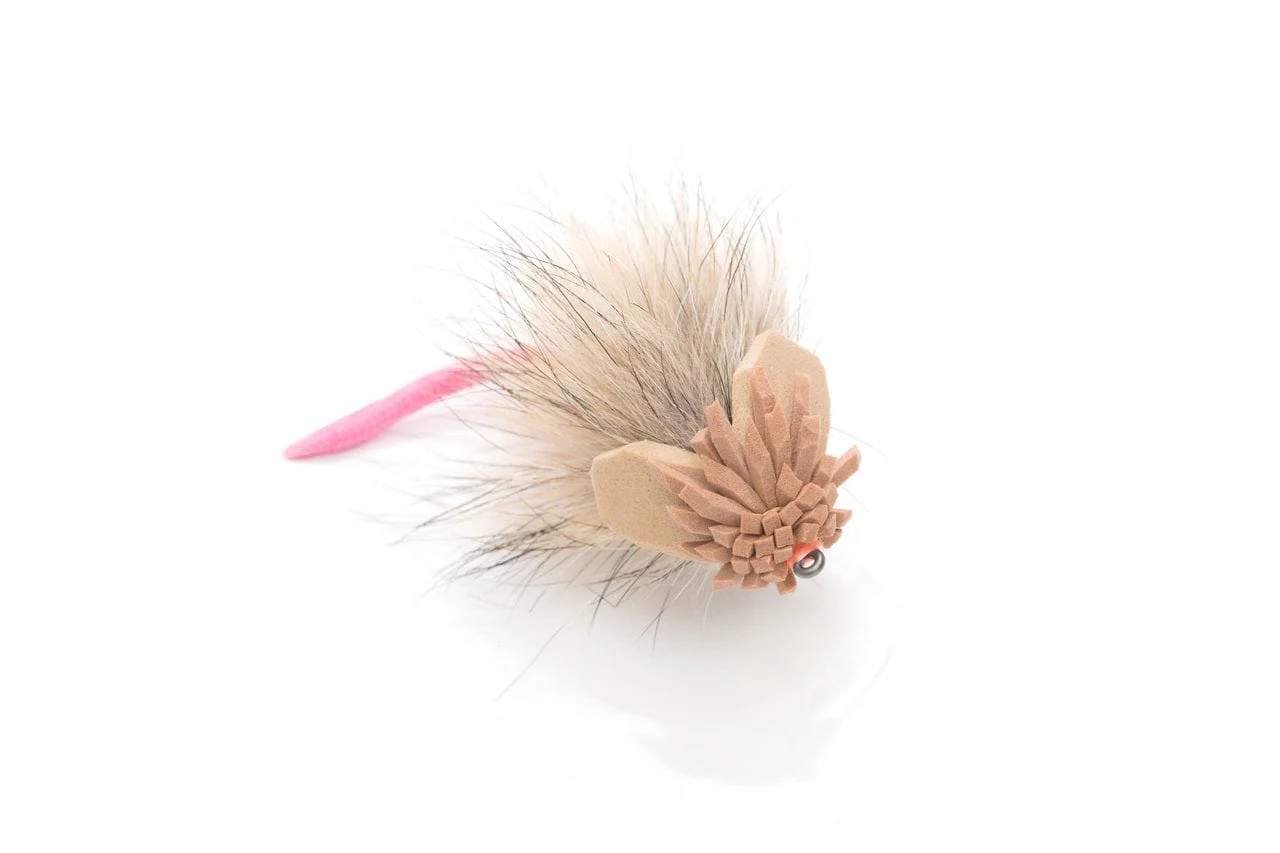
The Flesh Fly is a staple pattern for anglers targeting rainbow trout, steelhead, and Dolly Varden in Alaska and the Pacific Northwest. This pattern mimics chunks of decaying salmon meat that drift downstream after the spawn. It is an absolute necessity for your box when fishing late-season runs where biomass drives the food chain.
What It Imitates
This pattern imitates the decomposing tissue of salmon carcasses. As salmon die and break down, pieces of their flesh wash into the current and become a high-protein meal for resident fish. The cream color specifically mimics older flesh that has lost its color after being submerged for days.
How To Use It
Fish this fly on a dead drift under a strike indicator to match the natural speed of the current. It works best when bouncing along the bottom where heavier chunks of meat naturally settle. You can also fish it on a tight line in pocket water to detect subtle takes from gorging trout.
When To Use It
This fly is best used during the late stages of the salmon spawn and well into the winter. It shines when the river is littered with carcasses and trout have switched their focus from eggs to meat. Use it on cloudy days or in stained water where the silhouette and movement are key triggers.
Why We Like It
We like this Umpqua pattern because it absorbs water well and sinks quickly into the feeding zone. The materials pulse in the water to create a lifelike movement that looks exactly like drifting carrion. It offers a realistic profile that fools educated fish in heavily pressured waters.
Comparisons
Flesh Fly vs Glo Bug:
Flesh Fly vs Articulated Flesh Fly:
Flesh Fly vs Egg Sucking Leech:
Description
The Flesh Fly is a staple pattern for anglers targeting rainbow trout, steelhead, and Dolly Varden in Alaska and the Pacific Northwest. This pattern mimics chunks of decaying salmon meat that drift downstream after the spawn. It is an absolute necessity for your box when fishing late-season runs where biomass drives the food chain.
What It Imitates
This pattern imitates the decomposing tissue of salmon carcasses. As salmon die and break down, pieces of their flesh wash into the current and become a high-protein meal for resident fish. The cream color specifically mimics older flesh that has lost its color after being submerged for days.
How To Use It
Fish this fly on a dead drift under a strike indicator to match the natural speed of the current. It works best when bouncing along the bottom where heavier chunks of meat naturally settle. You can also fish it on a tight line in pocket water to detect subtle takes from gorging trout.
When To Use It
This fly is best used during the late stages of the salmon spawn and well into the winter. It shines when the river is littered with carcasses and trout have switched their focus from eggs to meat. Use it on cloudy days or in stained water where the silhouette and movement are key triggers.
Why We Like It
We like this Umpqua pattern because it absorbs water well and sinks quickly into the feeding zone. The materials pulse in the water to create a lifelike movement that looks exactly like drifting carrion. It offers a realistic profile that fools educated fish in heavily pressured waters.
Comparisons
Flesh Fly vs Glo Bug:
Flesh Fly vs Articulated Flesh Fly:
Flesh Fly vs Egg Sucking Leech: