
Original: $1.49
-65%$1.49
$0.52The Story
The Cut Bait Midge Fly is a modern nymph pattern designed to imitate a midge pupa with a distinct attractor element. Its name is derived from the brightly colored collar that suggests vulnerability or injury, making it an irresistible target for selective trout. The fly's design emphasizes a slender, segmented profile and incorporates a heavy tungsten bead, allowing it to sink quickly and present realistically in the water column where fish are actively feeding. This pattern is particularly effective in tailwaters and other clear water environments where midges constitute a primary food source.
Key Features
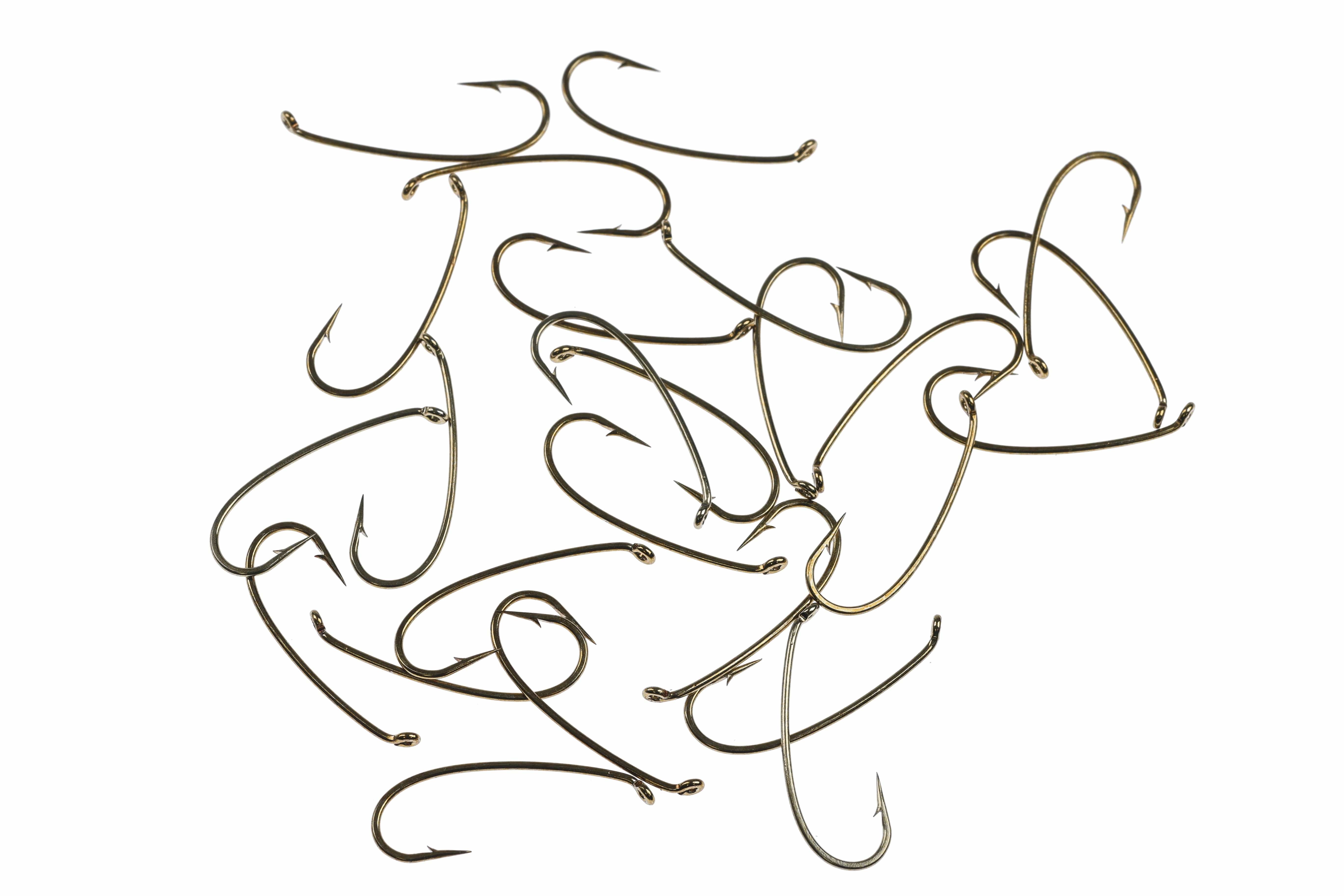
- Hook: A curved pupa/scud hook.
- Bead: A tungsten bead to ensure a fast sink rate.
- Body: A tapered body made from tying thread to create a realistic, segmented appearance.
- Hot Spot: A prominent collar of brightly colored thread, such as fluorescent orange or chartreuse, tied directly behind the bead.
- Coating: The entire body and thread collar are coated in UV cure resin for extreme durability and a glossy, translucent finish.
Why We Like It
The Cut Bait Midge excels due to its combination of a precise imitation and a powerful attractor. The slim body and tungsten bead allow it to slice through the water and reach feeding zones efficiently, making it an ideal point fly or dropper in any nymphing rig. Its durability is a significant advantage for anglers; the hard UV resin coating protects the delicate thread wraps from abrasion and the teeth of trout, allowing a single fly to last through multiple catches.
This pattern consistently produces results because the bright hot spot acts as a strong trigger, drawing strikes from lethargic or pressured fish. This visual cue mimics the gills of an emerging midge or simply creates a point of contrast that fish key on. It is an effective pattern for year-round success, performing exceptionally well during the challenging winter months when trout diets narrow to small insects like midges.
Description
The Cut Bait Midge Fly is a modern nymph pattern designed to imitate a midge pupa with a distinct attractor element. Its name is derived from the brightly colored collar that suggests vulnerability or injury, making it an irresistible target for selective trout. The fly's design emphasizes a slender, segmented profile and incorporates a heavy tungsten bead, allowing it to sink quickly and present realistically in the water column where fish are actively feeding. This pattern is particularly effective in tailwaters and other clear water environments where midges constitute a primary food source.
Key Features
- Hook: A curved pupa/scud hook.
- Bead: A tungsten bead to ensure a fast sink rate.
- Body: A tapered body made from tying thread to create a realistic, segmented appearance.
- Hot Spot: A prominent collar of brightly colored thread, such as fluorescent orange or chartreuse, tied directly behind the bead.
- Coating: The entire body and thread collar are coated in UV cure resin for extreme durability and a glossy, translucent finish.
Why We Like It
The Cut Bait Midge excels due to its combination of a precise imitation and a powerful attractor. The slim body and tungsten bead allow it to slice through the water and reach feeding zones efficiently, making it an ideal point fly or dropper in any nymphing rig. Its durability is a significant advantage for anglers; the hard UV resin coating protects the delicate thread wraps from abrasion and the teeth of trout, allowing a single fly to last through multiple catches.
This pattern consistently produces results because the bright hot spot acts as a strong trigger, drawing strikes from lethargic or pressured fish. This visual cue mimics the gills of an emerging midge or simply creates a point of contrast that fish key on. It is an effective pattern for year-round success, performing exceptionally well during the challenging winter months when trout diets narrow to small insects like midges.