
The Story
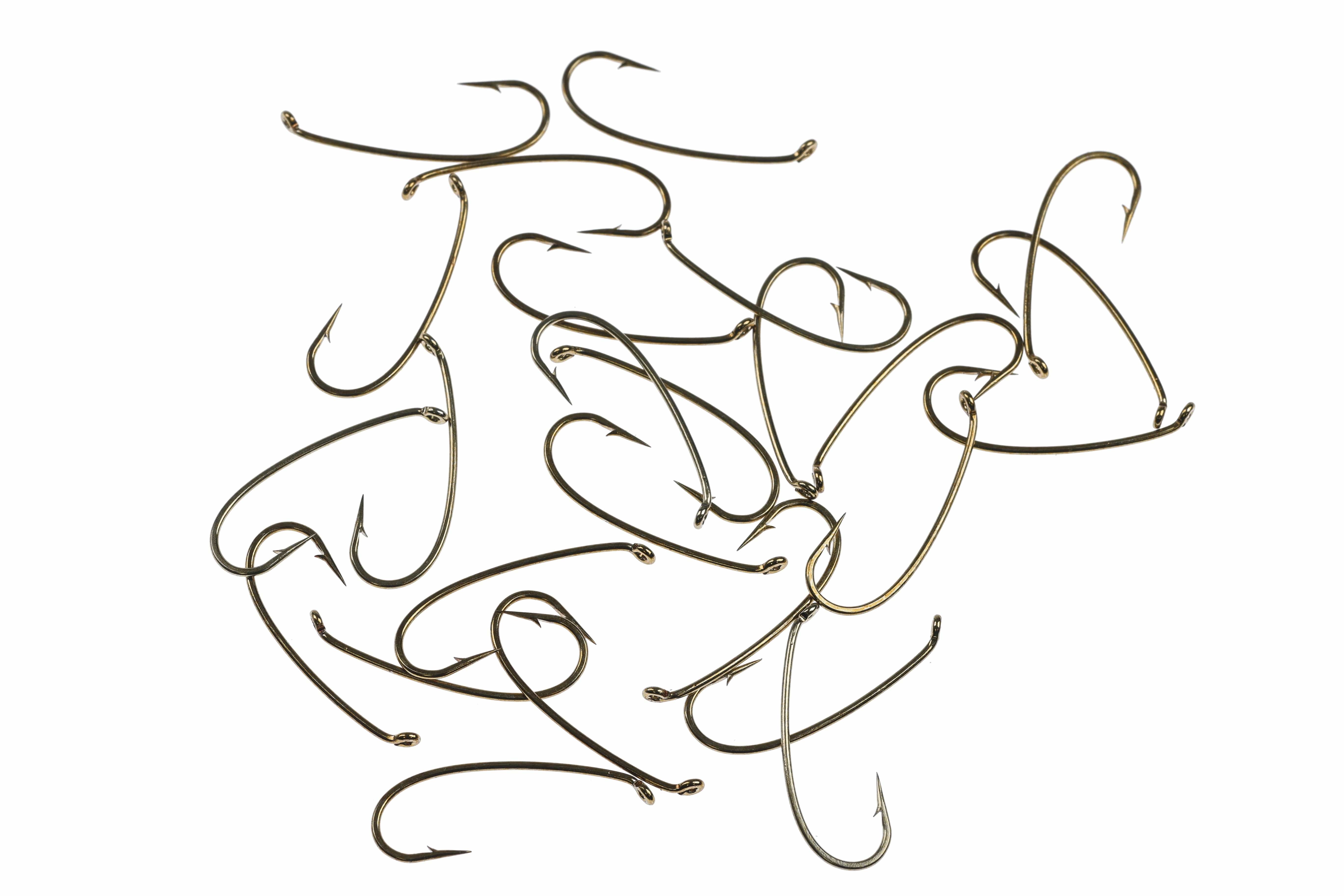
Core Salt Streamer SW Hooks by Core are purpose-built for saltwater baitfish and shrimp patterns where strength, corrosion resistance, and reliable penetration matter. The heavy-to-medium wire and generous gape handle bulky materials without choking the hook, and the chemically sharpened point bites quickly even through tough mouths. A salt-safe finish and a clean, straight eye make them a versatile platform for patterns from sparse bonefish flies to meaty striper streamers.
The shank length and subtle O’Shaughnessy-style bend track well during fast strips, helping flies ride true in current and surf. Sizes typically cover everything from seatrout and bonefish (down in the 4–8 range) to snook, redfish, and schoolie stripers (2–2/0), with enough backbone for light-duty tarpon juveniles or jacks when tied on the larger sizes.
How to Use It
Match hook size to profile and target species: smaller sizes for flats flies that need quick starts and soft landings; larger sizes for wind-resistant streamers and situations demanding leverage. The wide gape lets you stack bucktail, synthetics, or multiple feathers without compromising hook-ups—just keep materials slightly above the shank centerline to preserve clearance. A short thread base and a drop of CA glue under the first clump of bucktail will keep high-abuse streamer heads from spinning, and a neat, compact head helps weighted patterns track correctly.
In salt, prioritize finish and maintenance: black-nickel and tin-style coatings both fend off corrosion, and a quick freshwater rinse after fishing extends life. Debarb before tying to protect the point, and touch up with a fine diamond hone after contact with shell, mangrove roots, or rocks. For weighted patterns, place dumbbells slightly forward of center to flip the hook and leverage the hook’s bend for keel stability.
Example Flies
Clouser Minnow: A size 2 to 1/0 Core Salt Streamer SW Hook carries lead or brass dumbbells without twisting and keeps a clean gape under full bucktail stacks. Tie the belly and back sparse so the hook point remains unobstructed, and align the dumbbells just ahead of the midpoint for a sharp jigging action that triggers stripers, redfish, and snook.
Lefty’s Deceiver: On sizes 1–2/0, the hook’s longer shank and sturdy wire support layered saddle hackles and a full collar without collapsing. Trim the tail to 3–4 times the shank length for lift, add a short flash wing for visibility, and rely on the strong bend for authoritative sets on long swings around jetty edges or beach troughs.
EP Baitfish: For sizes 2–1/0, the wide gape prevents synthetic fibers from choking the point when you build a dense profile. Angle the head fibers slightly downward and brush them out to maintain a tear-drop silhouette; the clean, straight eye tracks well on intermediate lines when you’re probing potholes for seatrout or nighttime dock lights for snook.
Why We Like It
These hooks balance holding power with a refined, sticky point that doesn’t feel overbuilt on smaller patterns. The gap geometry leaves room for modern synthetics and dumbbells, so your fly fishes as intended and still finds purchase on quick strikes. Consistent tempering means fewer bent hooks when a fish surges boatside or you lean on one to turn a red off an oyster bar.
Salt-safe finishes, clean eyes, and dependable sizing make them easy to integrate into a bench routine without rethinking patterns. They’re a cost-efficient alternative to boutique salt hooks while retaining the critical traits—corrosion resistance, point integrity, and shank stability—that protect your tying time on the water.
Comparable Materials
Core Salt Streamer SW Hooks sit in the same lane as Tiemco 811S and Ahrex SA270. Compared with the 811S, Core’s wider gape can be friendlier to bulky bucktail and brush heads, while the 811S is a touch stiffer in the larger sizes and has a long-proven tin-style finish for extreme corrosion resistance. Versus the Ahrex SA270, Core typically comes in at a friendlier price point; the SA270’s point profile is ultra-aggressive and excellent for quick sets on long leaders but can require more frequent touch-ups after contact with structure. If you like a slightly more open bend for modern materials, Core is a strong choice; if you prize maximum rigidity or specialty finishes, 811S and SA270 remain benchmarks.
Description
Core Salt Streamer SW Hooks by Core are purpose-built for saltwater baitfish and shrimp patterns where strength, corrosion resistance, and reliable penetration matter. The heavy-to-medium wire and generous gape handle bulky materials without choking the hook, and the chemically sharpened point bites quickly even through tough mouths. A salt-safe finish and a clean, straight eye make them a versatile platform for patterns from sparse bonefish flies to meaty striper streamers.
The shank length and subtle O’Shaughnessy-style bend track well during fast strips, helping flies ride true in current and surf. Sizes typically cover everything from seatrout and bonefish (down in the 4–8 range) to snook, redfish, and schoolie stripers (2–2/0), with enough backbone for light-duty tarpon juveniles or jacks when tied on the larger sizes.
How to Use It
Match hook size to profile and target species: smaller sizes for flats flies that need quick starts and soft landings; larger sizes for wind-resistant streamers and situations demanding leverage. The wide gape lets you stack bucktail, synthetics, or multiple feathers without compromising hook-ups—just keep materials slightly above the shank centerline to preserve clearance. A short thread base and a drop of CA glue under the first clump of bucktail will keep high-abuse streamer heads from spinning, and a neat, compact head helps weighted patterns track correctly.
In salt, prioritize finish and maintenance: black-nickel and tin-style coatings both fend off corrosion, and a quick freshwater rinse after fishing extends life. Debarb before tying to protect the point, and touch up with a fine diamond hone after contact with shell, mangrove roots, or rocks. For weighted patterns, place dumbbells slightly forward of center to flip the hook and leverage the hook’s bend for keel stability.
Example Flies
Clouser Minnow: A size 2 to 1/0 Core Salt Streamer SW Hook carries lead or brass dumbbells without twisting and keeps a clean gape under full bucktail stacks. Tie the belly and back sparse so the hook point remains unobstructed, and align the dumbbells just ahead of the midpoint for a sharp jigging action that triggers stripers, redfish, and snook.
Lefty’s Deceiver: On sizes 1–2/0, the hook’s longer shank and sturdy wire support layered saddle hackles and a full collar without collapsing. Trim the tail to 3–4 times the shank length for lift, add a short flash wing for visibility, and rely on the strong bend for authoritative sets on long swings around jetty edges or beach troughs.
EP Baitfish: For sizes 2–1/0, the wide gape prevents synthetic fibers from choking the point when you build a dense profile. Angle the head fibers slightly downward and brush them out to maintain a tear-drop silhouette; the clean, straight eye tracks well on intermediate lines when you’re probing potholes for seatrout or nighttime dock lights for snook.
Why We Like It
These hooks balance holding power with a refined, sticky point that doesn’t feel overbuilt on smaller patterns. The gap geometry leaves room for modern synthetics and dumbbells, so your fly fishes as intended and still finds purchase on quick strikes. Consistent tempering means fewer bent hooks when a fish surges boatside or you lean on one to turn a red off an oyster bar.
Salt-safe finishes, clean eyes, and dependable sizing make them easy to integrate into a bench routine without rethinking patterns. They’re a cost-efficient alternative to boutique salt hooks while retaining the critical traits—corrosion resistance, point integrity, and shank stability—that protect your tying time on the water.
Comparable Materials
Core Salt Streamer SW Hooks sit in the same lane as Tiemco 811S and Ahrex SA270. Compared with the 811S, Core’s wider gape can be friendlier to bulky bucktail and brush heads, while the 811S is a touch stiffer in the larger sizes and has a long-proven tin-style finish for extreme corrosion resistance. Versus the Ahrex SA270, Core typically comes in at a friendlier price point; the SA270’s point profile is ultra-aggressive and excellent for quick sets on long leaders but can require more frequent touch-ups after contact with structure. If you like a slightly more open bend for modern materials, Core is a strong choice; if you prize maximum rigidity or specialty finishes, 811S and SA270 remain benchmarks.