
The Story
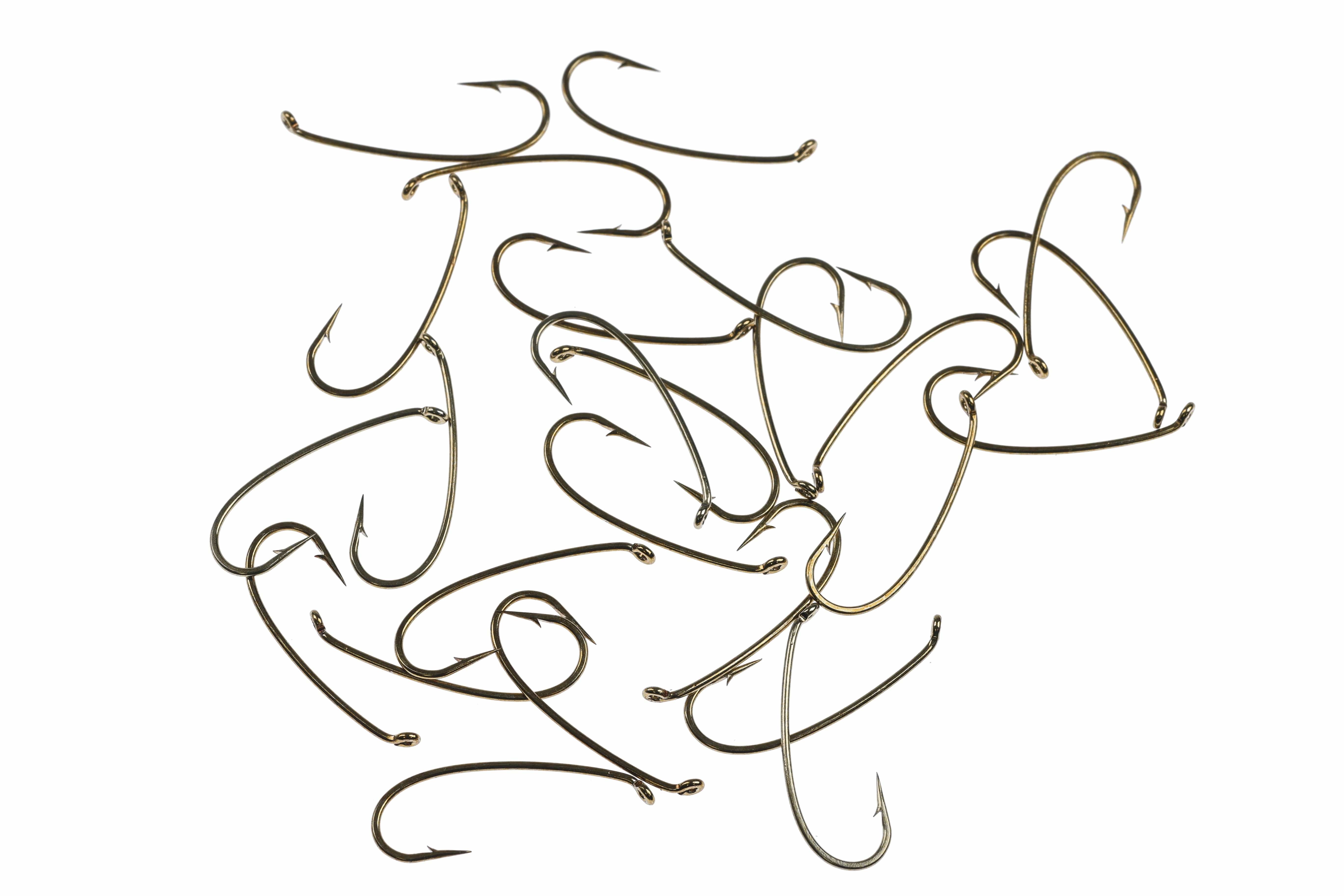
Core Salt Short SW Hooks are short-shank, wide-gap saltwater hooks designed for compact, high-percentage patterns where bite clearance matters. Built on corrosion-resistant wire with a strong forged bend and a clean, slightly open gape, they excel at pinning fish when you're tying bulky baitfish, shrimp, and crab flies. The stouter wire resists opening on hard runs while the short shank keeps leverage low during prolonged fights.
The geometry is particularly friendly to modern synthetic heads and brush-bodied flies: the short distance from eye to bend minimizes material interference with the point, and the wide gape drives home through resin, flash, and bucktail. Common sizes from 1/0 down to 6 cover snook, redfish, schoolie stripers, sea trout, and bonefish without forcing you into oversized hooks just to keep a wide bite. Manufactured by Core, they're a reliable, consistent platform for saltwater tying.
How to Use It
Size the hook to the silhouette you want, not the shank length. On short-shank models you can run tails 2–3 shank-lengths without choking the gape, which is ideal for Clousers, brush baitfish, and spoon-style profiles. When adding dumbbell or bead-chain eyes, set them far enough back that the fly tracks point-up and the point remains unobstructed; keep bulk centered over the bend rather than stacked on the point side. If you debarb, do it before tying so you don’t crack resin or disturb thread bases.
On the water, a non-slip loop knot maximizes articulation, especially with neutrally buoyant synthetics. After fishing, rinse in fresh water and touch up the point with a fine diamond hone if you’ve been ticking oysters or rocks. When building resin or UV-cured heads, periodically pinch materials away from the point and test the bite on your thumbnail to ensure the hook can still penetrate cleanly.
Example Flies
Clouser Minnow: A perfect match for the short-shank, wide-gap profile. Tie sizes 2–1/0 for snook and stripers, 4–6 for bonefish. Sparse bucktail over dumbbell eyes rides point-up and jigs cleanly; the short shank keeps the hook bite open through layered bucktail and flash, improving hookups on deep or resin-coated heads.
EP Brush Baitfish: In sizes 1–4 with synthetic brushes or stacked fibers, the compact shank anchors the head without turning the fly into a lever. A wide gap punches through the dense brush core, and the corrosion-resistant finish stands up to repeated salt sessions and UV-cured finishes around the head and eyes.
Kwan: For redfish and permity flats scenarios, a short-shank hook keeps the body compact and the keel stable. Tie with bead-chain or small lead eyes; the wide bite grabs even when the fly lands softly and crawls over grass. Sizes 4–2 are money around potholes and oyster edges.
Surf Candy: Resin-bodied glass-minnow profiles benefit from the short shank’s minimal leverage. In sizes 2–6, build tapered resin layers over sparse bucktail or synthetics; the hook’s geometry preserves bite clearance through the hardened head and keeps the fly tracking straight in current and surf chops.
Why We Like It
The short-shank, wide-gap combination is a smart solution to modern saltwater tying, where bulky synthetics, dumbbell heads, and resin bodies often starve the hook of space. These hooks keep the bite open and penetrate well, yet the compact shank reduces leverage so fish are less likely to throw the fly during head shakes or jumps. You end up using smaller hooks for the same profile, which can improve sink rate and presentation.
They also hit a practical sweet spot: strong forged wire for confidence on powerful fish, a corrosion-resistant finish that tolerates repeated salt exposure, and consistent points and eyes that don’t fight your thread or leader. Debarbing is easy, and they’re economical enough to tie large batches without compromise.
Comparable Materials
Gamakatsu SC15 and Ahrex SA280 are the closest analogs. SC15 runs a touch lighter in wire with a very sticky point and a classic short-shank shape; it’s superb for delicate bonefish flies and skinny-water baitfish but can flex sooner on heavy cover. Ahrex SA280 trends heavier and premium, with a robust forged bend and a slightly different gap geometry that favors big synthetics and jigs; it’s a tank for redfish and stripers but often costs more per hook. Core Salt Short SW sits neatly between them on price and versatility, offering a strong, corrosion-ready option that stays compact and keeps bite clearance high on modern salt patterns.
Core Salt Short SW vs Ahrex SA280
The SA280 feels stiffer and slightly beefier across equivalent sizes, which is great for high-load scenarios and oversized dumbbell eyes; the tradeoff is a bit more weight and, typically, a higher price. Core Salt Short SW keeps the shank even more compact for the size, preserving gap under bulky heads and helping flies track true without extra mass. If you’re tying dense brush baitfish or heavy jig flies, SA280 is a bruiser; for general-purpose salt tying where you want wide bite and minimal leverage in a cost-effective package, the Core hook is the more flexible choice.
Description
Core Salt Short SW Hooks are short-shank, wide-gap saltwater hooks designed for compact, high-percentage patterns where bite clearance matters. Built on corrosion-resistant wire with a strong forged bend and a clean, slightly open gape, they excel at pinning fish when you're tying bulky baitfish, shrimp, and crab flies. The stouter wire resists opening on hard runs while the short shank keeps leverage low during prolonged fights.
The geometry is particularly friendly to modern synthetic heads and brush-bodied flies: the short distance from eye to bend minimizes material interference with the point, and the wide gape drives home through resin, flash, and bucktail. Common sizes from 1/0 down to 6 cover snook, redfish, schoolie stripers, sea trout, and bonefish without forcing you into oversized hooks just to keep a wide bite. Manufactured by Core, they're a reliable, consistent platform for saltwater tying.
How to Use It
Size the hook to the silhouette you want, not the shank length. On short-shank models you can run tails 2–3 shank-lengths without choking the gape, which is ideal for Clousers, brush baitfish, and spoon-style profiles. When adding dumbbell or bead-chain eyes, set them far enough back that the fly tracks point-up and the point remains unobstructed; keep bulk centered over the bend rather than stacked on the point side. If you debarb, do it before tying so you don’t crack resin or disturb thread bases.
On the water, a non-slip loop knot maximizes articulation, especially with neutrally buoyant synthetics. After fishing, rinse in fresh water and touch up the point with a fine diamond hone if you’ve been ticking oysters or rocks. When building resin or UV-cured heads, periodically pinch materials away from the point and test the bite on your thumbnail to ensure the hook can still penetrate cleanly.
Example Flies
Clouser Minnow: A perfect match for the short-shank, wide-gap profile. Tie sizes 2–1/0 for snook and stripers, 4–6 for bonefish. Sparse bucktail over dumbbell eyes rides point-up and jigs cleanly; the short shank keeps the hook bite open through layered bucktail and flash, improving hookups on deep or resin-coated heads.
EP Brush Baitfish: In sizes 1–4 with synthetic brushes or stacked fibers, the compact shank anchors the head without turning the fly into a lever. A wide gap punches through the dense brush core, and the corrosion-resistant finish stands up to repeated salt sessions and UV-cured finishes around the head and eyes.
Kwan: For redfish and permity flats scenarios, a short-shank hook keeps the body compact and the keel stable. Tie with bead-chain or small lead eyes; the wide bite grabs even when the fly lands softly and crawls over grass. Sizes 4–2 are money around potholes and oyster edges.
Surf Candy: Resin-bodied glass-minnow profiles benefit from the short shank’s minimal leverage. In sizes 2–6, build tapered resin layers over sparse bucktail or synthetics; the hook’s geometry preserves bite clearance through the hardened head and keeps the fly tracking straight in current and surf chops.
Why We Like It
The short-shank, wide-gap combination is a smart solution to modern saltwater tying, where bulky synthetics, dumbbell heads, and resin bodies often starve the hook of space. These hooks keep the bite open and penetrate well, yet the compact shank reduces leverage so fish are less likely to throw the fly during head shakes or jumps. You end up using smaller hooks for the same profile, which can improve sink rate and presentation.
They also hit a practical sweet spot: strong forged wire for confidence on powerful fish, a corrosion-resistant finish that tolerates repeated salt exposure, and consistent points and eyes that don’t fight your thread or leader. Debarbing is easy, and they’re economical enough to tie large batches without compromise.
Comparable Materials
Gamakatsu SC15 and Ahrex SA280 are the closest analogs. SC15 runs a touch lighter in wire with a very sticky point and a classic short-shank shape; it’s superb for delicate bonefish flies and skinny-water baitfish but can flex sooner on heavy cover. Ahrex SA280 trends heavier and premium, with a robust forged bend and a slightly different gap geometry that favors big synthetics and jigs; it’s a tank for redfish and stripers but often costs more per hook. Core Salt Short SW sits neatly between them on price and versatility, offering a strong, corrosion-ready option that stays compact and keeps bite clearance high on modern salt patterns.
Core Salt Short SW vs Ahrex SA280
The SA280 feels stiffer and slightly beefier across equivalent sizes, which is great for high-load scenarios and oversized dumbbell eyes; the tradeoff is a bit more weight and, typically, a higher price. Core Salt Short SW keeps the shank even more compact for the size, preserving gap under bulky heads and helping flies track true without extra mass. If you’re tying dense brush baitfish or heavy jig flies, SA280 is a bruiser; for general-purpose salt tying where you want wide bite and minimal leverage in a cost-effective package, the Core hook is the more flexible choice.