
The Story
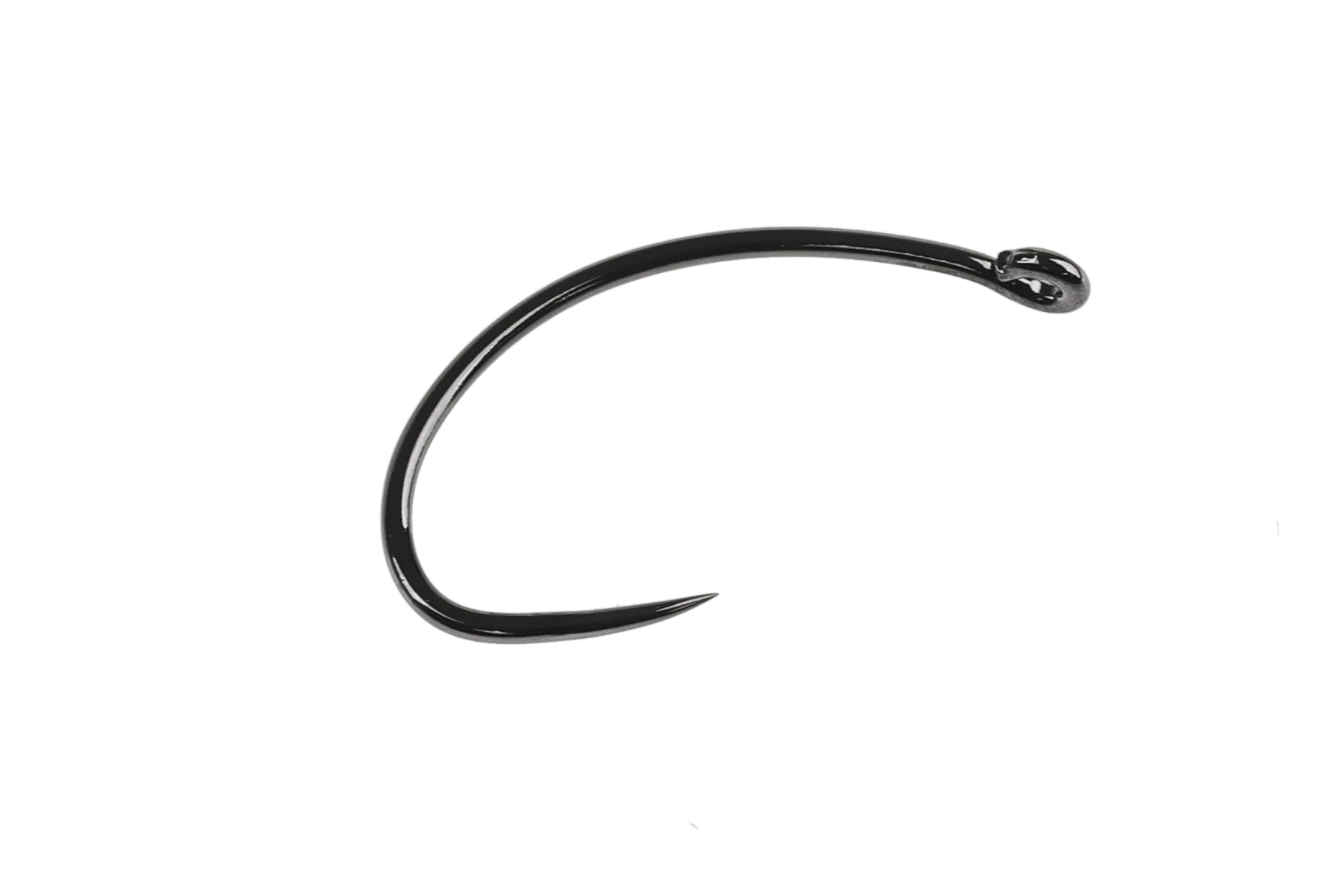
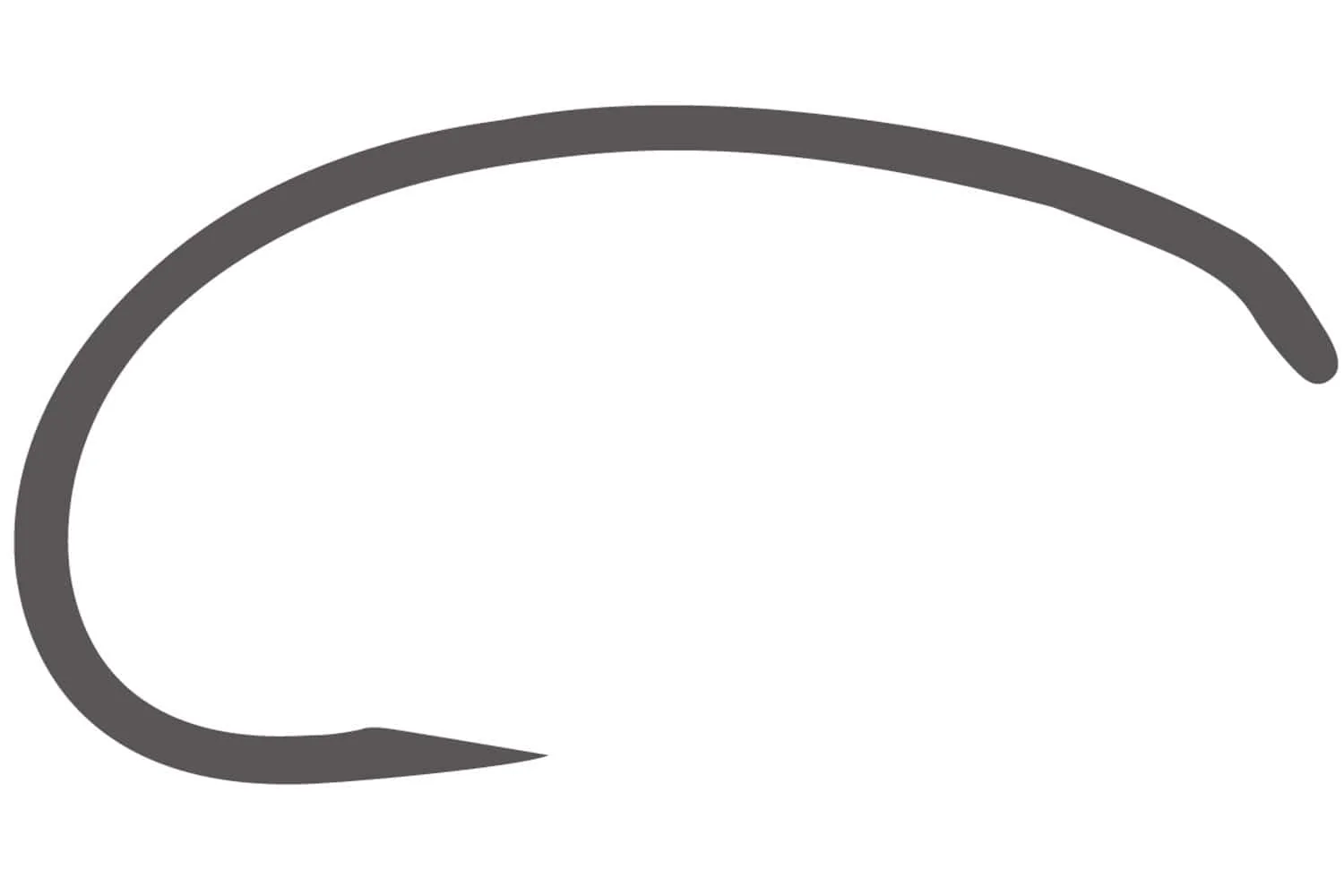
Core's Dry Superlight Barbless Hooks are purpose-built for delicate dry fly work where minimal weight and maximum hook-up efficiency matter. The light-wire construction helps patterns land softly, ride high, and drift naturally, while the barbless profile penetrates quickly and releases fish cleanly. A wide gape preserves hooking power even when you dress slim bodies or sparse hackle.
These hooks typically feature a black nickel finish for corrosion resistance and stealth, along with a chemically sharpened point that pricks instantly on gentle takes. They're at home in classic mayfly imitations, emergers that fish in the film, and micro dries where hook weight can make or break your drift.
How to Use It
Keep your materials sparse to take advantage of the hook's light-wire buoyancy. Build a smooth thread base, stop short of the eye to prevent crowding, and use fine denier thread to avoid bulk that could reduce gape clearance. On emergers or no-hackle dries, a tiny sliver of foam, CDC, or a split micro-fiber tail will stabilize the fly without adding water-logging mass.
When fishing, match the hook's finesse with balanced tackle: lighter tippets protect the hook hold and keep fish pinned on a steady, low-pressure retrieve. Barbless points penetrate quickly, so focus on maintaining tension rather than striking hard. If you use floatant, treat only the portions of the fly meant to ride high so the hook remains unobtrusive in the surface film.
Example Flies
Sparkle Dun (BWO): A slim, comparadun-style mayfly that benefits from the hook's wide gape and light wire. Tie a sparse microfibet tail, a fine dubbing body, and a deer hair fan wing. On a superlight barbless hook, the pattern stays flush in the film with less weight dragging it down, and the quick-biting point helps on hesitant sippers in slow slicks.
CDC Biot Emerger: This transitional pattern uses a goose biot body, a CDC bubble or tuft for buoyancy, and a trailing shuck. The superlight hook keeps the fly’s keel minimal so it hangs naturally below the meniscus. It's ideal for flat water where fish inspect silhouettes; the barbless point sets with a gentle lift, reducing refusals from overzealous hooksets.
Griffith's Gnat (Sparse): A pared-back version with fine peacock herl and one turn of small hackle. On a heavier hook, micro midges can sink after a few casts; the superlight hook helps it ride higher for longer. The open gape improves hookups on tiny sizes where hackle can otherwise crowd the point.
Why We Like It
These hooks offer a high hookup-to-landing ratio without the extra damage a barb can cause. The combination of a razor point and open gape translates light takes into solid connections, especially on pressured fish that merely sip. The light wire distributes less mass along the shank, preserving the floating posture of ultra-sparse dries and emergers.
Durability is balanced with finesse: the finish resists rust, and the wire holds up under normal dry fly use while still being fine enough for technical presentations. For anglers who fish barbless-only waters or who simply prefer fast, clean releases, they tick all the boxes without compromising pattern performance.
Comparable Materials
Comparable options include Fulling Mill's Superlight dry fly barbless hooks, Hanak's H130BL Superlight, and Tiemco's 103BL. Fulling Mill tends to run slightly stout-for-weight with very consistent tempering and a similar wide gape; Hanak's H130BL is exceptionally light with a fine taper ideal for film-riding emergers; Tiemco 103BL has a classic dry-fly bend and predictable sizing. Core's Dry Superlight sits comfortably among these, offering that same delicate presentation with a quick-setting barbless point and a reliably open gape, making the choice largely one of shape preference and size availability rather than performance gaps.
Description
Core's Dry Superlight Barbless Hooks are purpose-built for delicate dry fly work where minimal weight and maximum hook-up efficiency matter. The light-wire construction helps patterns land softly, ride high, and drift naturally, while the barbless profile penetrates quickly and releases fish cleanly. A wide gape preserves hooking power even when you dress slim bodies or sparse hackle.
These hooks typically feature a black nickel finish for corrosion resistance and stealth, along with a chemically sharpened point that pricks instantly on gentle takes. They're at home in classic mayfly imitations, emergers that fish in the film, and micro dries where hook weight can make or break your drift.
How to Use It
Keep your materials sparse to take advantage of the hook's light-wire buoyancy. Build a smooth thread base, stop short of the eye to prevent crowding, and use fine denier thread to avoid bulk that could reduce gape clearance. On emergers or no-hackle dries, a tiny sliver of foam, CDC, or a split micro-fiber tail will stabilize the fly without adding water-logging mass.
When fishing, match the hook's finesse with balanced tackle: lighter tippets protect the hook hold and keep fish pinned on a steady, low-pressure retrieve. Barbless points penetrate quickly, so focus on maintaining tension rather than striking hard. If you use floatant, treat only the portions of the fly meant to ride high so the hook remains unobtrusive in the surface film.
Example Flies
Sparkle Dun (BWO): A slim, comparadun-style mayfly that benefits from the hook's wide gape and light wire. Tie a sparse microfibet tail, a fine dubbing body, and a deer hair fan wing. On a superlight barbless hook, the pattern stays flush in the film with less weight dragging it down, and the quick-biting point helps on hesitant sippers in slow slicks.
CDC Biot Emerger: This transitional pattern uses a goose biot body, a CDC bubble or tuft for buoyancy, and a trailing shuck. The superlight hook keeps the fly’s keel minimal so it hangs naturally below the meniscus. It's ideal for flat water where fish inspect silhouettes; the barbless point sets with a gentle lift, reducing refusals from overzealous hooksets.
Griffith's Gnat (Sparse): A pared-back version with fine peacock herl and one turn of small hackle. On a heavier hook, micro midges can sink after a few casts; the superlight hook helps it ride higher for longer. The open gape improves hookups on tiny sizes where hackle can otherwise crowd the point.
Why We Like It
These hooks offer a high hookup-to-landing ratio without the extra damage a barb can cause. The combination of a razor point and open gape translates light takes into solid connections, especially on pressured fish that merely sip. The light wire distributes less mass along the shank, preserving the floating posture of ultra-sparse dries and emergers.
Durability is balanced with finesse: the finish resists rust, and the wire holds up under normal dry fly use while still being fine enough for technical presentations. For anglers who fish barbless-only waters or who simply prefer fast, clean releases, they tick all the boxes without compromising pattern performance.
Comparable Materials
Comparable options include Fulling Mill's Superlight dry fly barbless hooks, Hanak's H130BL Superlight, and Tiemco's 103BL. Fulling Mill tends to run slightly stout-for-weight with very consistent tempering and a similar wide gape; Hanak's H130BL is exceptionally light with a fine taper ideal for film-riding emergers; Tiemco 103BL has a classic dry-fly bend and predictable sizing. Core's Dry Superlight sits comfortably among these, offering that same delicate presentation with a quick-setting barbless point and a reliably open gape, making the choice largely one of shape preference and size availability rather than performance gaps.